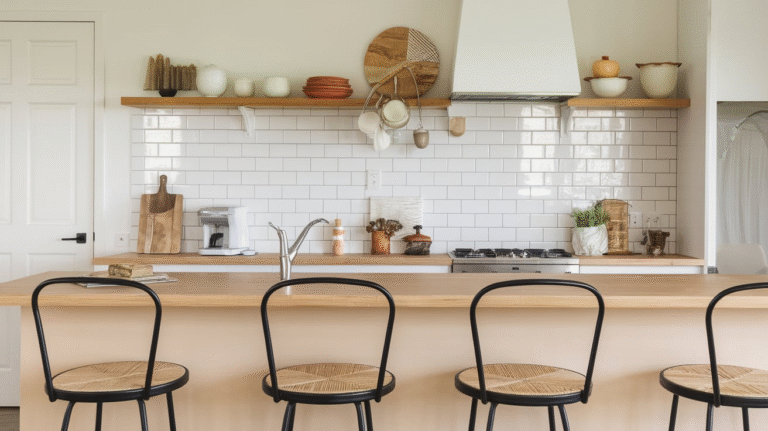
19 Open Space Living Room And Kitchen Ideas: Stunning Modern Designs
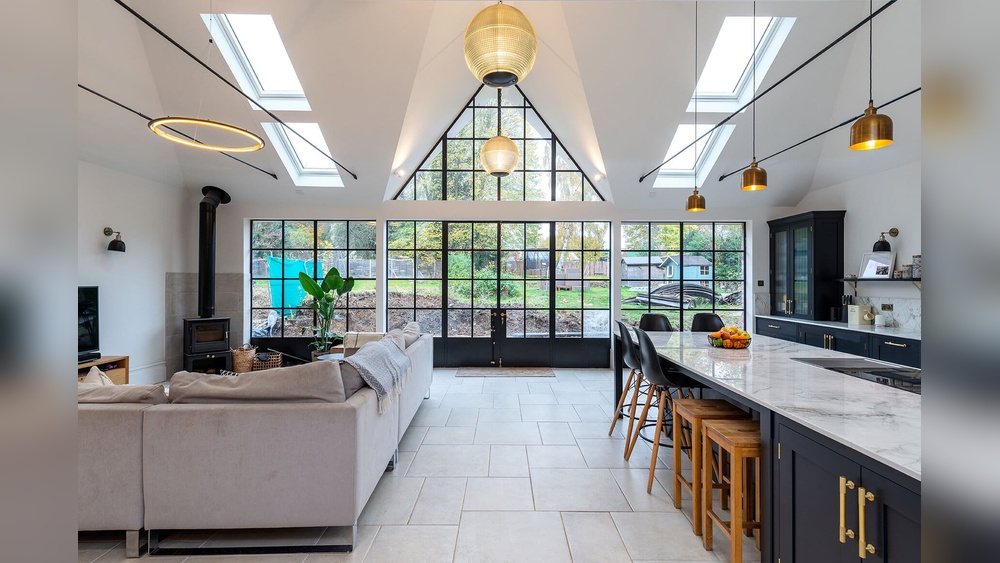
Are you ready to transform your home into a bright, inviting space where cooking, relaxing, and entertaining flow seamlessly? Open space living rooms combined with kitchens are more than just a trend—they’re a smart way to maximize your space and create a warm atmosphere for family and friends.
Whether you’re working with a cozy apartment or a spacious house, the right design can make your open area feel both stylish and functional. You’ll discover 19 inspiring ideas that will help you reimagine your living room and kitchen as one harmonious space tailored perfectly to your lifestyle.
Keep reading to find the tips and tricks that will make your open space truly shine!
Benefits Of Open Space Designs
Open space designs bring in more natural light by removing walls. Light flows freely across the room, making the area feel bright and cheerful. Large windows work better in open spaces, improving the overall mood and energy.
Creating a sense of spaciousness is a key benefit. Without walls, rooms feel much bigger and less cramped. This design suits small homes by making every square foot count and avoiding cluttered spaces.
Open layouts improve flow and functionality. Moving between kitchen and living room is easy, perfect for daily life and entertaining guests. It allows for more social interaction and multitasking, such as cooking while talking to family.

Credit: tr-construction.com
Key Elements Of Modern Open Layouts
A unified color palette ties the kitchen and living room together. Choose soft, neutral tones or bold colors that flow naturally. This creates a calm and inviting space where everything feels connected.
Layered lighting techniques bring warmth and depth. Combine ceiling lights, task lighting, and accent lamps to make the room bright and cozy. Different lights help with cooking, reading, or relaxing.
Smart storage solutions keep the open space neat and organized. Use built-in shelves, hidden cabinets, and multi-use furniture. This reduces clutter and keeps everything within easy reach.
Furniture Choices For Open Areas
Multi-functional furniture saves space and adds value. A sofa bed offers seating and a sleeping spot. Ottomans with storage hide clutter and serve as tables. Kitchen islands with shelves create extra storage and workspace.
Using furniture as dividers helps define zones without walls. A tall bookshelf or open shelving unit separates the kitchen from the living area. Low-back sofas or benches mark boundaries while keeping the space open.
Choose pieces that blend comfort and style. Soft cushions and ergonomic chairs invite relaxation. Select colors and materials that match the whole room. Balance sleek designs with cozy fabrics to create a warm, inviting space.
Kitchen Island Ideas
Statement islands act as the center of your kitchen design. They draw the eye and add character. Choose bold colors or unique shapes to make a strong impression. Materials like marble or reclaimed wood create a stylish look. Lighting above the island enhances its appeal.
Seating options at the island make it a social hub. Bar stools or benches provide space for casual meals or chats. Choose comfortable, sturdy seating that matches your kitchen style. Seating helps blend the kitchen and living areas smoothly.
Storage and prep areas in the island add great function. Drawers and cabinets keep utensils and cookware handy. A prep sink or cutting board space makes cooking easier. This setup helps keep the kitchen tidy and organized.
Zoning Strategies
Activity zones help define areas for cooking, eating, and relaxing. Using furniture like sofas or kitchen islands can mark these zones clearly. This separation makes the space feel organized and easy to use.
Visual separation techniques include using rugs, curtains, or open shelving to create subtle barriers. These methods keep the space open but distinct. It helps avoid a cluttered look while maintaining flow.
| Flooring Variations | Purpose |
|---|---|
| Wood in living area | Creates warmth and comfort |
| Tile in kitchen | Easy to clean and durable |
| Rugs between zones | Define space and add texture |
Color And Material Coordination
Balancing light and dark tones creates depth and interest in open spaces. Use lighter colors on walls and cabinets to make the room feel bigger. Darker furniture or flooring adds warmth and contrast. This balance stops the space from feeling flat or dull.
Mixing textures adds a tactile feel that makes the room inviting. Pair smooth surfaces like glass or metal with rough ones like wood or fabric. This mix keeps the eye moving and adds layers to the design.
Consistent finishes help unify the kitchen and living room areas. Choose similar materials or colors for fixtures and hardware. Matching finishes on appliances, handles, and light fixtures create a seamless look.
Lighting Design Tips
Ambient lighting softly fills the room, creating a warm and inviting space. Use ceiling lights or recessed fixtures to light the entire area evenly. Task lighting focuses on specific spots like kitchen counters or reading areas. Under-cabinet lights and pendant lamps work well here.
Accent lights highlight art, plants, or architectural features. Spotlights or wall sconces add depth and style. Use dimmers to control light intensity and mood.
Natural light makes open spaces feel larger and more cheerful. Keep windows clear of heavy curtains. Use light, sheer fabrics to let sunlight in. Mirrors can reflect light and brighten dark corners.
Decor And Accessories
Artwork placement can define the open space’s style. Choose a large piece to anchor the room or group smaller pieces together for a gallery wall. Hang artwork at eye level for easy viewing. Keep frames simple to avoid clutter.
Rugs and soft furnishings add warmth and texture. Use rugs to separate living and kitchen zones. Pick colors that match your overall palette. Soft cushions and throws make seating cozy and inviting.
Greenery and plants bring life and color. Tall plants fill empty corners nicely. Small plants on shelves or tables add freshness. Plants also improve air quality and create a relaxing vibe.
Small Space Solutions
Maximizing usability in a small open space means choosing compact, multi-functional furniture. Pieces like foldable tables, storage ottomans, and slimline sofas save room without losing comfort. A small kitchen island can also double as a dining table or extra counter space.
Visual tricks create a feeling of openness. Use light colors on walls and furniture to brighten the space. Mirrors placed across from windows bounce light and make the room seem larger. Clear furniture, such as glass tables or acrylic chairs, reduces visual clutter.
| Compact Furniture Ideas | Visual Tricks for Openness |
|---|---|
| Foldable dining table | Light-colored walls |
| Storage ottomans | Mirrors opposite windows |
| Slimline sofas | Clear glass or acrylic chairs |
| Kitchen island with seating | Minimal window coverings |
Technology Integration
Smart appliances make cooking and cleaning easier. They save time and energy by working automatically. Many devices connect to your phone for control anywhere.
Hidden wiring keeps your space neat and safe. Wires run behind walls or under floors to avoid clutter. This helps keep the open space clean and tidy.
Entertainment systems bring fun to the living room and kitchen. Speakers, TVs, and smart assistants blend into the design. They create a cozy spot for music and movies without taking space.
Floor Plan Examples
Loft style layouts use open, airy spaces with high ceilings. They often have exposed beams or pipes. The kitchen and living areas blend seamlessly, creating a modern, spacious feel. Large windows bring in lots of natural light. Furniture is simple and functional, often with metal or wood finishes.
Farmhouse inspired designs mix cozy and rustic charm. Wooden floors and vintage cabinets add warmth. The kitchen island often serves as a dining spot or workspace. Open shelves and farmhouse sinks enhance the homey vibe. Soft, neutral colors keep the space bright and inviting.
Contemporary urban spaces focus on clean lines and minimal clutter. Sleek cabinets and smooth surfaces give a polished look. The living room and kitchen share a unified color palette. Smart storage solutions keep things tidy. Lighting is layered for both function and mood.
Maintaining Cohesion
Keeping a consistent design theme helps the space feel connected. Use similar colors and materials in both kitchen and living room. This creates a harmonious look that is easy on the eyes.
Good flow between zones means arranging furniture to guide movement smoothly. Avoid blocking paths with large pieces. Use rugs or lighting to mark different areas without walls.
Balance open and private areas by adding cozy corners or screens. These create quiet spots while keeping the main space open. This mix makes the room feel welcoming and functional.
Eco-friendly Features
Sustainable materials like bamboo, reclaimed wood, and recycled metal help reduce waste. These materials last long and lower environmental harm. Using natural fabrics for upholstery also supports eco-friendly living.
Energy-efficient lighting saves electricity and cuts bills. LED bulbs use less power and last longer. Installing smart lighting controls helps adjust brightness based on daylight, reducing energy use further.
Indoor air quality improves with proper ventilation and houseplants. Plants like spider plants and snake plants clean the air naturally. Choosing low-VOC paints and finishes reduces harmful fumes inside the home.
Budget-friendly Tips
DIY projects help save money and add a personal touch. Simple tasks like painting cabinets, making shelves, or creating wall art improve your space without big costs. Use easy tools and follow online guides to complete projects yourself.
Affordable furnishings can create a stylish look. Choose budget-friendly stores or secondhand shops for couches, tables, and chairs. Look for pieces that fit well in open spaces and offer comfort and style.
Repurposing existing items is a smart way to save money. Turn old crates into storage, use jars as utensil holders, or repaint old furniture to match your new decor. This reduces waste and keeps your budget low.
Personalizing Your Space
Personal style makes an open space feel truly yours. Use colors and textures you love. Add artwork or photos that tell your story. Choose furniture that matches your taste and fits your lifestyle.
For family-friendly design, pick durable materials and easy-to-clean surfaces. Keep toys and essentials organized with smart storage solutions. Create zones for different activities like eating, playing, and relaxing.
Pet owners should consider pet-safe materials and layouts. Use washable rugs and slipcovers. Design spaces where pets feel comfortable but don’t interrupt the flow. Keep pet items tidy and close to their favorite spots.
Common Challenges
Noise control is a key challenge in open space living rooms and kitchens. Sounds from cooking, conversations, and appliances can travel easily. This may disturb others in the room. Using rugs, curtains, and soft furniture helps absorb noise. Installing soundproof panels or a partition can also reduce noise.
Privacy issues arise because open spaces lack walls. It can be hard to find a quiet spot. Family members may feel exposed or distracted. Creating zones with furniture or screens can provide some privacy. Using plants or bookcases as dividers also helps.
Clutter management is important since open spaces show mess easily. Keeping counters clear and using hidden storage keeps the area tidy. Regular cleaning and organizing reduce clutter build-up. Choosing furniture with built-in storage is a smart option.
Trends To Watch
Minimalist approaches focus on clean lines and open space. They use simple furniture with little decoration. This style helps the room feel larger and less crowded. Neutral colors like white, beige, and gray are popular choices to keep the look calm and fresh.
Bold color statements add life to open spaces. Bright cushions, rugs, or a painted wall create a striking contrast. These colors draw attention and make the space feel unique. Use bold colors in small areas to avoid overwhelming the room.
Mixed material surfaces add texture and interest. Wood, metal, glass, and stone blend well together. For example, a wooden kitchen island with a stone countertop creates a warm yet modern feel. Mixing materials keeps the design dynamic and engaging.
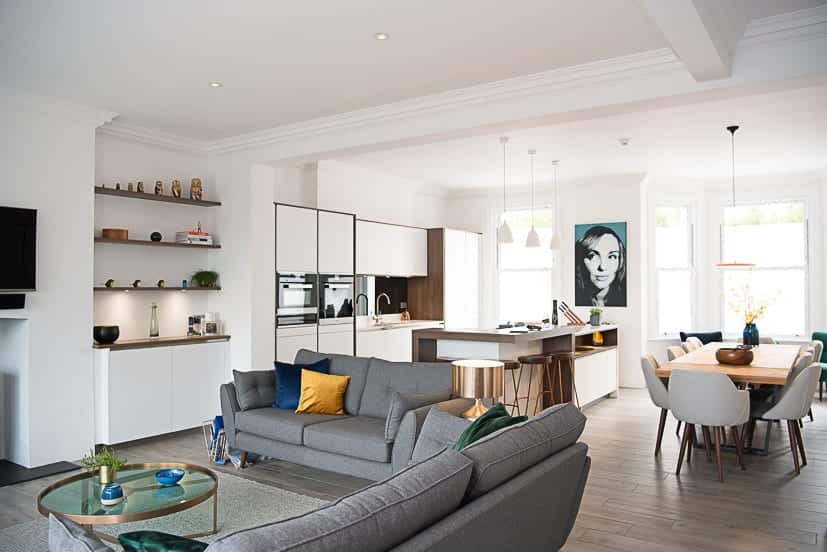
Credit: ahouseinthehills.com
Professional Design Advice
Hiring a designer can help create a smooth flow in open spaces. Designers know how to divide zones without walls. They use furniture, rugs, and lighting to separate areas. This makes the space look organized and cozy. A professional helps to pick the right colors and styles that match your taste.
Planning and budgeting are key to avoid surprises. List all costs before starting. Include furniture, materials, and labor. Set aside extra money for unexpected expenses. Planning helps finish the project on time and within budget. Use simple sketches or apps to visualize your space.
Staying on schedule means setting clear deadlines. Communicate often with workers and suppliers. Track progress regularly to avoid delays. Small tasks done on time keep the project moving. A good schedule saves stress and helps enjoy your new open space sooner.
Maintenance And Upkeep
Regular cleaning keeps open spaces fresh and inviting. Wipe kitchen counters and living room surfaces daily to stop dust and stains. Sweep and mop floors often to prevent dirt build-up. Use gentle cleaners to avoid damage to surfaces. Spot clean spills immediately to protect flooring and furniture.
Prevent wear and tear by using area rugs in high-traffic zones. Place coasters under drinks and use cutting boards in the kitchen. Move furniture carefully to avoid scratches. Check and tighten loose screws on chairs and tables regularly.
Seasonal updates refresh the space without big changes. Swap cushion covers or curtains for new colors. Add or remove throws to suit the weather. Clean vents and windows more thoroughly in spring and fall. These small changes keep the room feeling cozy and neat year-round.

Credit: www.housebeautiful.com
Frequently Asked Questions
What Are The Benefits Of Open Space Living Rooms And Kitchens?
Open space living rooms and kitchens create a spacious, airy feel. They improve social interaction and natural light flow. This design enhances functionality and makes smaller spaces appear larger and more inviting.
How Do You Define Zones In An Open Kitchen-living Area?
Define zones using furniture placement like sofas or rugs. Use lighting variations and different flooring textures. These methods create distinct areas while maintaining an open, cohesive look.
What Colors Work Best For Open Concept Living Spaces?
Neutral colors like whites, grays, and beiges create a seamless flow. Adding accent colors through décor keeps the space lively. Light tones help maximize natural light and enhance openness.
How Can Storage Be Optimized In Open Kitchen And Living Rooms?
Incorporate built-in cabinets and multifunctional furniture with storage. Use vertical space with shelves and hooks. This keeps clutter minimal and maintains the clean open feel.
Conclusion
Open space living rooms and kitchens create a bright, welcoming atmosphere. These ideas help you make the most of your space. Use simple layouts to keep the area open and comfortable. Add furniture that defines zones without blocking light. Choose colors that blend well for a smooth flow.
Good lighting makes the space feel larger and cozy. Storage solutions keep clutter away, making the room tidy. Personal touches add warmth and personality. Try these tips to enjoy a stylish, functional open living area. Your home will feel fresh and inviting every day.