
24 Hillside Landscaping Ideas: Stunning Designs to Transform Your Yard

Got a steep hill in your yard that feels more like a problem than a feature? You’re not alone, and the good news is that your hillside holds amazing potential.
With the right landscaping ideas, you can transform that tricky slope into a stunning and functional outdoor space. Whether you want a peaceful garden retreat, a vibrant play area for the kids, or a stylish spot to entertain friends, these 24 hillside landscaping ideas will inspire you to make the most of your terrain.
Get ready to turn your hill into the highlight of your home—easy, beautiful, and totally doable. Keep reading to discover how!

Credit: www.perfectgrassltd.co.uk
Slope-friendly Plants
Ground covers are great for keeping soil in place on hillsides. Plants like creeping thyme, sedum, and creeping phlox spread quickly and stop erosion. They also add color and texture to slopes without much care. These plants need little water once settled.
Flowering plants that do well on hillsides include blanket flower, coneflower, and yarrow. These plants tolerate dry, rocky soil and bring bright colors to your garden. They attract butterflies and bees, helping your landscape stay lively.
Using native plants can save time and effort. They are adapted to local weather and soil, so they need less water and fertilizer. Examples include blue fescue grass, black-eyed Susan, and wild columbine. These plants support local wildlife and keep your hillside healthy.
Credit: www.diycraftsy.com
Terracing Techniques
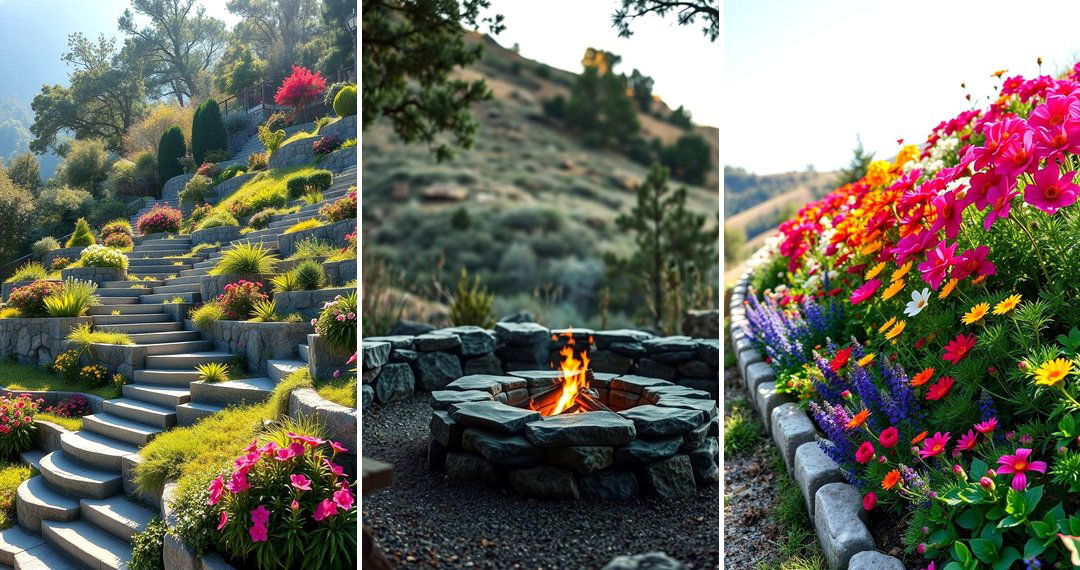
Tiered retaining walls help hold soil on slopes. They create flat areas for planting and walking. Use strong materials like stone or concrete blocks. Build walls step by step, making sure each level is stable and well-drained.
Raised garden beds add height and structure. They keep soil in place and improve drainage. You can grow flowers, vegetables, or herbs in these beds. Use wood, stone, or metal for the bed frames.
Making functional flat spaces on hillsides allows for patios, seating, or play areas. Level the ground carefully and add retaining walls if needed. These spaces make the yard more usable and attractive.
Rock Gardens And Hardscaping
Natural stone features bring a timeless look to hillside gardens. Use stones to create rock gardens that add texture and interest. Stones also help control soil erosion on slopes.
Design pathways and steps with durable, slip-resistant stone. This makes walking on hills safe and easy. Steps can be curved or straight, fitting your landscape style.
Decorative boulders act as focal points. Place them in groups or alone to highlight garden areas. Boulders also provide structure and balance to your hillside.
Water Features
Small waterfalls add charm and sound to hillside gardens. They create a peaceful, natural feel. Water flows gently, attracting birds and soothing sounds.
Building ponds on a slope needs proper planning. Use liners and rocks to keep water in place. Ponds can also support fish and plants. They add color and life to your landscape.
Water features help control erosion by slowing down water flow. They guide water safely away from soil. This protects plants and keeps the hillside stable. Rocks and plants around the water help hold soil firm.
Seating And Relaxation Areas
Terraced seating uses retaining walls or steps to create flat areas. These spots offer comfortable places to sit on a slope. Terraces also help prevent soil erosion and add visual interest to your hillside.
Decks and patios provide a stable, flat surface for outdoor furniture. Raised decks can follow the hill’s shape, making the most of the view. Patios made with stone or wood fit naturally into the landscape.
Benches and nooks tucked into corners or under trees create quiet spaces to relax. These spots invite you to enjoy nature and add charm to your garden. Using natural materials helps blend seating areas with the hillside.
Lighting Ideas
Pathway and step lighting helps guide safely at night. Use low, soft lights along edges to mark the way. Small LED lights or recessed lights in steps work well.
Accent lighting draws attention to plants and garden features. Spotlights on trees or shrubs create depth and interest. Warm white bulbs give a cozy glow.
Solar lights are easy to install and eco-friendly. They charge in the sun and turn on automatically at dusk. Place them near paths, steps, or flower beds for subtle illumination.
Erosion Control Methods
Contour rows run across the slope following its shape. They slow water flow and help keep soil in place. This method reduces erosion and makes planting easier. Contour rows work well with other erosion control steps.
Retaining structures like walls or terraces hold back soil and prevent it from sliding downhill. They create flat spaces for plants and paths. Materials like stone, wood, or concrete are common. These structures add both function and style to hillsides.
Planting for soil stability involves choosing plants with strong roots. Ground covers, grasses, and shrubs bind the soil together. Plants absorb water, reducing runoff. Mixing different plants improves soil strength and adds beauty. Using native plants helps them grow better and saves water.
Credit: www.zillow.com
Creative Use Of Structures
Elevated decks offer a great way to enjoy views from a hillside. They create extra space for seating or dining above uneven ground. Using sturdy materials ensures safety and durability.
Treehouses or play areas add fun elements for kids on sloped yards. They blend well with nature and make good use of vertical space. Simple ladders or stairs provide easy access.
Railings and fences help define spaces and add safety on slopes. They can be made from wood, metal, or rope. Choose designs that match your yard’s style and provide support on steep areas.
Budget-friendly Ideas
DIY terracing projects can turn steep slopes into usable garden space. Build simple terraces using wood or stone to control erosion and add flat planting areas. These terraces help hold soil and water, making planting easier.
Affordable plants like creeping phlox, sedum, and creeping thyme work well on hillsides. These plants spread quickly and need little care. They also help prevent soil from washing away. Choose native plants to save money and support local wildlife.
Recycling materials for hardscaping saves money and adds charm. Use old bricks, stones, or wood pallets to create paths, steps, or retaining walls. These materials are often free or cheap and give a unique look to your landscape.
Low Maintenance Designs
Drought-tolerant plants like succulents, lavender, and sage save water and stay green. These plants need less care and survive dry spells well. They also reduce watering needs, cutting your water bill.
Replace traditional lawns with minimal lawn alternatives such as gravel, mulch, or native ground covers. These options reduce mowing and watering, making your hillside easier to maintain. Plus, they help prevent soil erosion on slopes.
Automated irrigation systems make watering efficient and simple. Timers and drip irrigation deliver water directly to plants’ roots, reducing waste. Set schedules to water early morning or late evening for best results.
Frequently Asked Questions
How To Landscape A Hillside Cheaply?
Use affordable ground cover plants, build simple terraces with wood or stones, add mulch to prevent erosion, and create DIY rock gardens or pathways.
What Is The Rule Of 3 In Landscaping?
The rule of 3 in landscaping groups plants or features in odd numbers, usually three, for visual balance and appeal. This technique creates natural, dynamic, and engaging garden designs.
What Is A $50000 Landscape Budget?
A $50,000 landscape budget covers design, plants, hardscaping, irrigation, and labor for a mid-sized outdoor space. It allows quality materials and professional installation.
What To Do With A Steep Hill In Your Backyard?
Create terraces or retaining walls to prevent erosion and add flat planting areas. Use ground cover plants and stone pathways for stability and beauty. Incorporate stairs or seating to enhance functionality and enjoyment of your steep backyard hill.
Conclusion
Transforming a hillside into a beautiful landscape takes creativity and planning. Use plants, rocks, terraces, or stairs to add interest and function. Choose ground covers to prevent erosion and add color. Small details like pathways and seating areas make the space inviting.
These ideas help turn a slope into a peaceful retreat. Start simple, and watch your hillside become a unique outdoor space you enjoy every day.