
18 DIY Chicken Run Cheap Ideas: Easy, Affordable & Brilliant Designs

If you’re ready to give your chickens a safe, comfortable space without breaking the bank, you’re in the right place. Building a chicken run doesn’t have to be expensive or complicated.
With the right ideas, you can create a sturdy, secure run using materials you might already have or can get for cheap. Whether you want to protect your flock from predators, keep them contained, or just give them more room to roam, these 18 DIY chicken run ideas are perfect for you.
Keep reading, and you’ll discover simple, budget-friendly ways to build a chicken run that works for your backyard and your wallet. Your chickens—and your budget—will thank you!

Credit: easycoops.com
Materials On A Budget
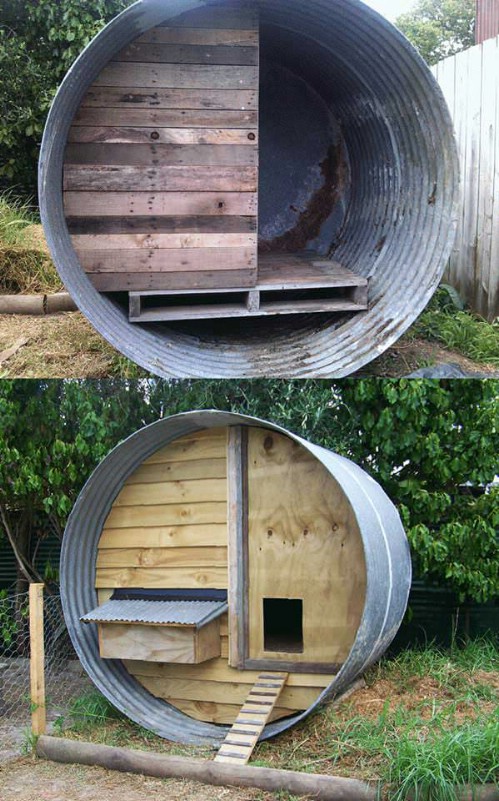
Using scrap wood and pallets saves money and helps the environment. Pallets often come for free or very cheap. They are sturdy and easy to cut into needed sizes. Scrap wood pieces can be nailed together to form strong frames or walls. This reduces the need to buy new lumber.
Repurposing wire fencing creates a secure barrier for chickens. Old fences or used wire rolls are often available at low cost. Wire mesh keeps chickens safe from predators while allowing air flow. It is flexible and can be shaped to fit any run size.
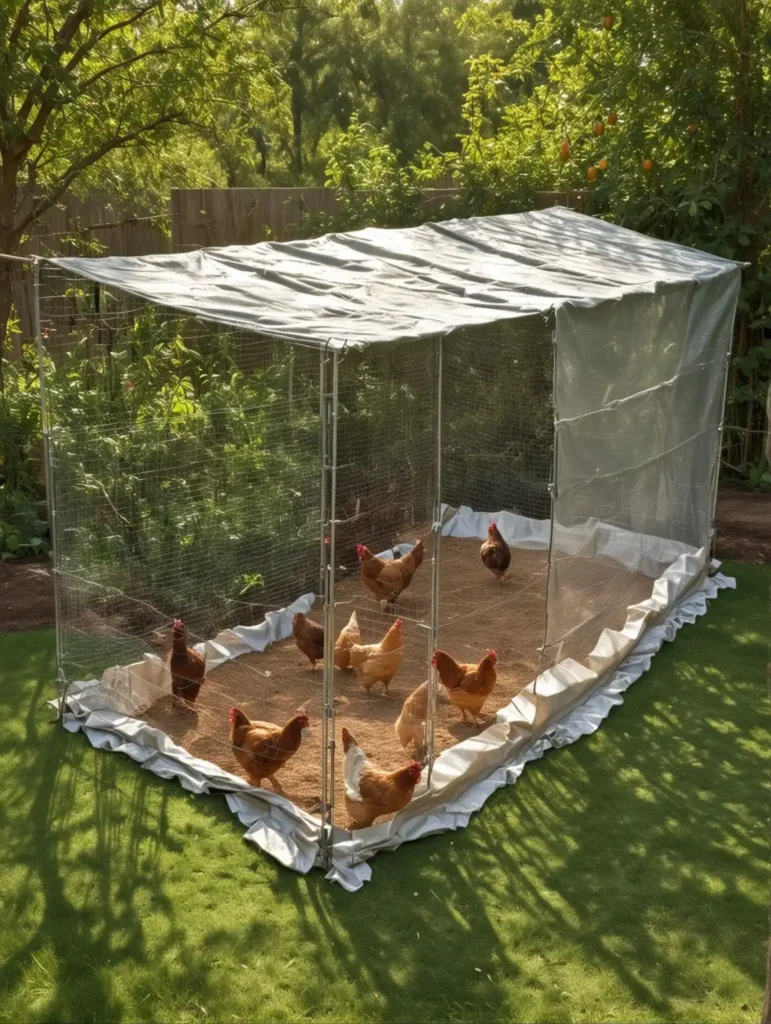
For roofing, choose affordable materials like corrugated plastic or metal sheets. These options protect chickens from rain and sun without costing much. Even old, clean tarps stretched over the run can work temporarily. Proper roofing extends the life of the chicken run.
Credit: www.diyncrafts.com
Simple Frame Designs
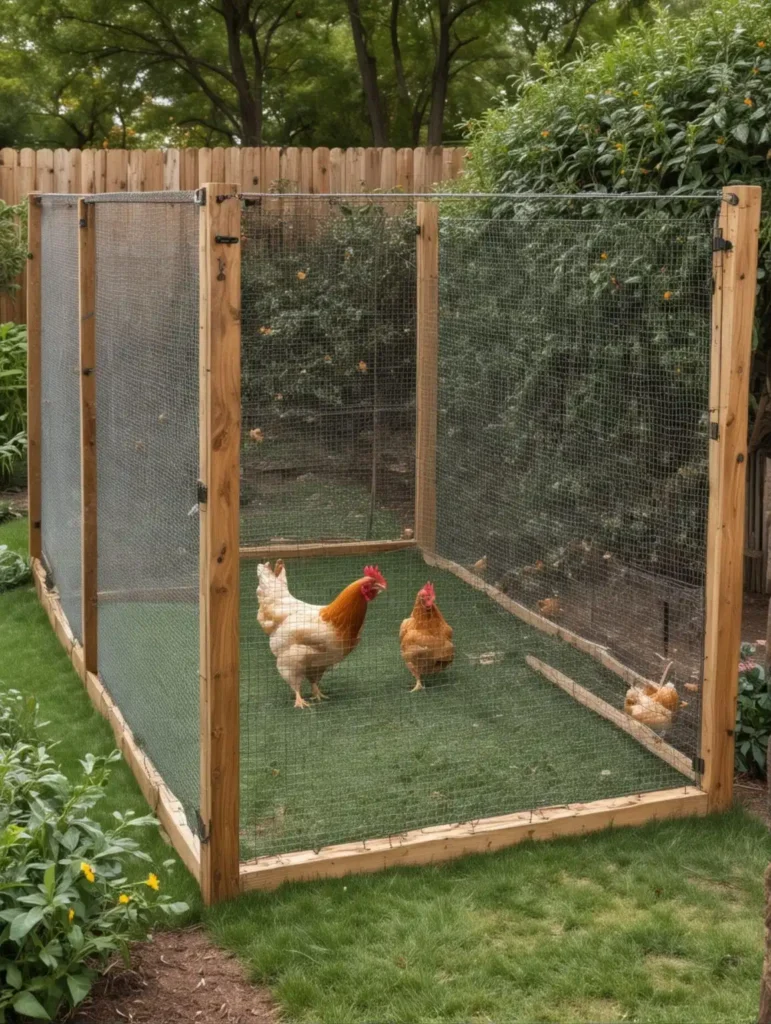
Basic Wooden Frame Construction uses simple wood pieces like 2x4s. These are easy to cut and join with nails or screws. Wood is cheap and widely available. It offers solid support for chicken wire or mesh. Make sure to treat wood to resist weather and rot. Frames can be built in squares or rectangles for easy assembly.
PVC Pipe Frame Ideas offer a lightweight, weatherproof option. Pipes connect with elbow joints and tees for a strong shape. They are easy to move and clean. PVC frames work well with zip ties or clips to hold mesh. This material is good for small to medium runs and saves money.
Metal Frame Alternatives use steel or aluminum pipes for extra strength. Metal frames last longer but can be heavier and cost more. Welding or special connectors hold parts together. Metal resists pests and harsh weather better than wood or PVC. Ideal for large or permanent runs needing strong protection.
Wire And Mesh Solutions
Choosing the right chicken wire means picking wire with small gaps. Smaller holes keep chicks safe from predators. Use 1-inch mesh for most runs. Thin wire is cheap but less strong. Thicker wire costs more but lasts longer.
Hardware cloth is better for security than chicken wire. It has tiny squares and is harder to cut. Use 1/2-inch hardware cloth for extra protection. It can be used on floors or walls of the run.
Securing wire without nails helps avoid damage and rust. Use staple guns or U-shaped wire clips for tight fastening. Zip ties also work well for quick fixes. Tight wiring keeps the run sturdy and safe.
Ground Protection Tips
Predators like foxes and raccoons often dig under fences. Use concrete blocks or bricks along the base to block digging spots. Lay them flat or upright to create a solid barrier.
Another option is to install wire mesh underneath the run. Bury the wire 12 to 18 inches deep, bending it outward like an L shape. This stops animals from digging below the fence.
Both methods help protect the ground and keep chickens safe. Concrete blocks add weight and strength. Wire mesh acts like an underground shield against digging.
Easy Door And Access Ideas
DIY hinged doors are simple to build with scrap wood and basic tools. Use sturdy hinges to attach the door to the frame. Make sure the door swings easily and fits well to keep chickens safe.
For sliding door mechanisms, install a metal or wooden track above the door. The door slides side to side, saving space. This design is useful for narrow runs or tight spots.
| Latch Type | Use | Pros |
|---|---|---|
| Simple Hook | Basic security | Easy to install and use |
| Spring Latch | Hands-free closing | Keeps door tightly closed |
| Padlock | Extra security | Prevents predators and theft |
Choose a latch that is easy to handle but secure. Use a lock for added protection.
Shelter And Shade Additions
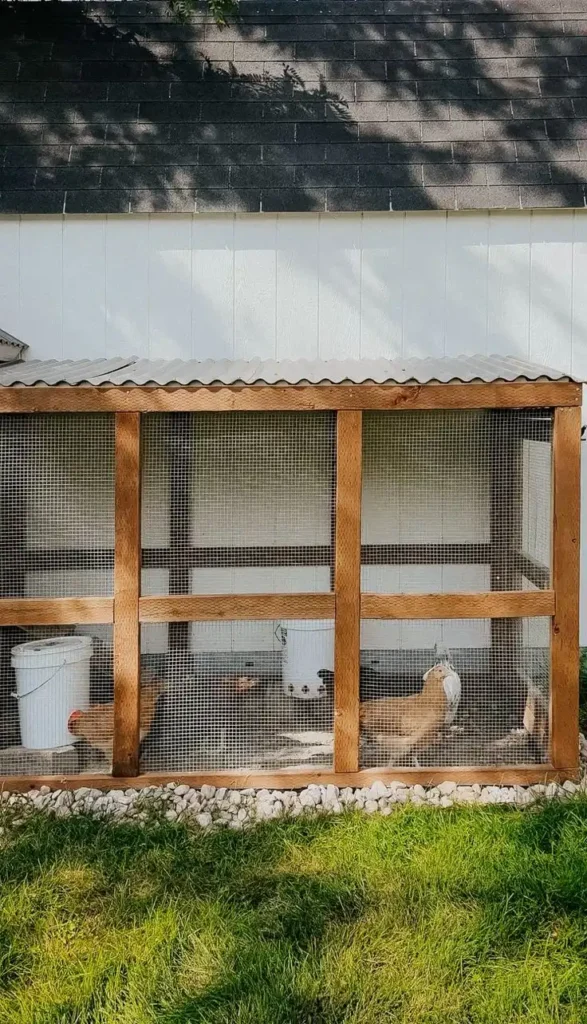
Roof coverings protect chickens from rain and sun. Use corrugated plastic sheets or old pallets to save money. Make sure the roof is angled for water runoff. Secure it well to avoid damage in wind.
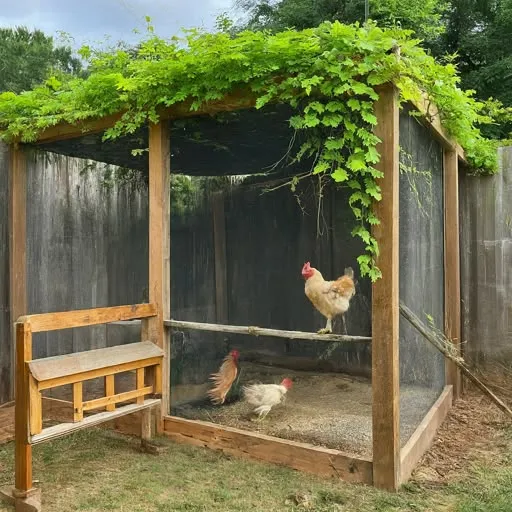
Shaded areas keep chickens cool in hot weather. Planting trees near the run or adding a shade cloth works well. Even a simple tarp stretched over a frame can provide relief.
To keep the run dry and safe, cover all openings with wire mesh. Use waterproof paint or sealant on wood to prevent rot. Check for leaks and fix them quickly. These small steps protect chickens from harsh weather.
Portable Chicken Runs
Wheeled chicken runs offer easy movement around your yard. You can push or pull them to fresh spots for your chickens. This helps keep grass healthy and gives chickens new places to peck and scratch.
Use lightweight materials like PVC pipes, thin wood, or aluminum frames. These make the run easier to move. Cover the frame with chicken wire or mesh to keep chickens safe from predators.
Benefits of mobility include better pasture rotation and less wear on the yard. Mobile runs also make cleaning easier. You can move the run indoors or to shade during bad weather. This keeps chickens healthy and happy.

Credit: www.thegardencoop.com
Multi-functional Runs
Incorporating garden beds inside chicken runs saves space and feeds chickens fresh greens. Raised beds keep soil neat and separate from the chicken area. Plants like herbs or leafy greens grow well and offer natural food for chickens.
Using runs as storage spaces helps keep garden tools and feed organized. Shelves or hooks can be added to fence posts. This makes the run multi-functional without extra cost or space.
Combining runs with the chicken coop creates a compact and efficient setup. Chickens can move freely between coop and run. This design keeps them safe and makes daily chores easier.
Predator Proofing Tricks
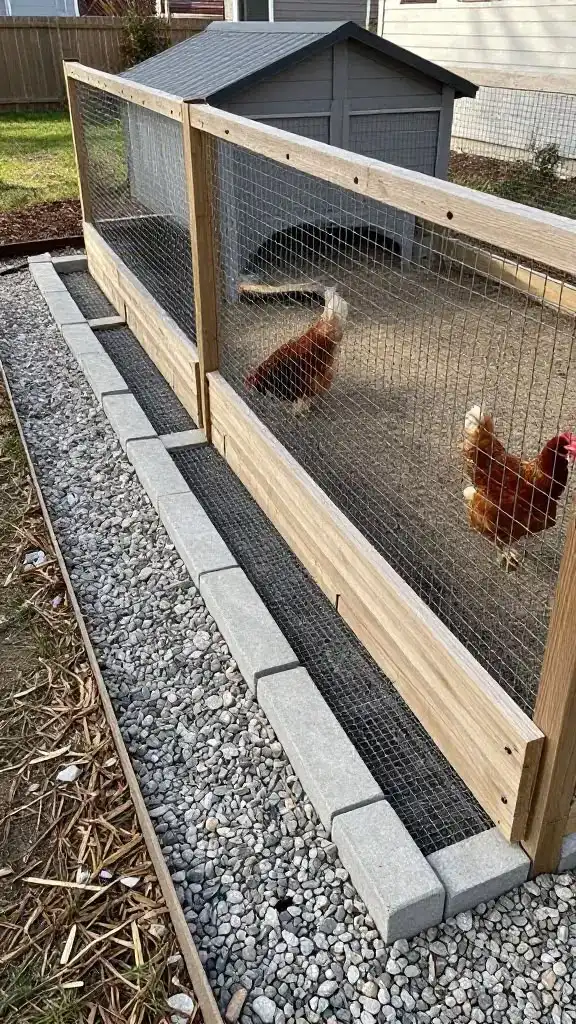
Securing the top cover keeps your chickens safe from aerial predators. Use sturdy wire mesh or hardware cloth to cover the run’s top. Make sure it is tightly fixed to the frame with no gaps. This stops hawks, owls, and other birds from attacking.
Electric fencing adds an extra layer of protection. It delivers a mild shock to deter predators like raccoons, foxes, and dogs. Place the fence around the run’s perimeter, about 6 to 12 inches above ground. Use insulated posts and a proper energizer for safety.
Motion-activated deterrents scare away predators at night. Devices like lights, alarms, or sprinklers activate when movement is detected. These sudden noises or flashes confuse animals and keep them away. Position them near entry points or dark corners of the run.
Creative Decoration Ideas
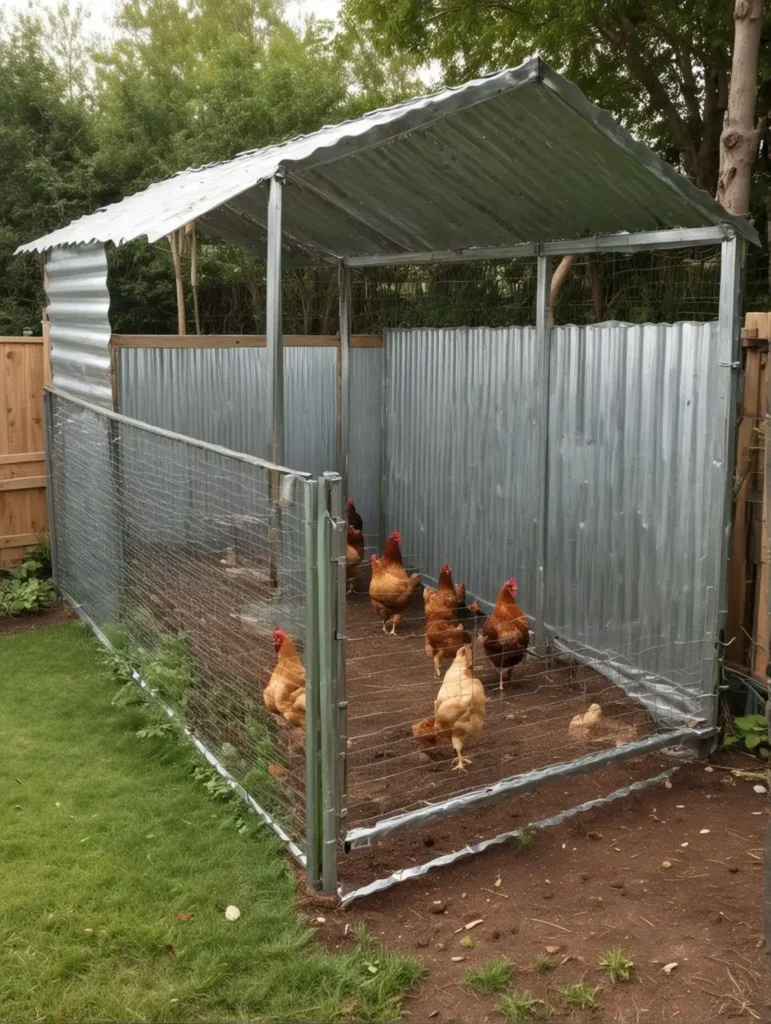
Painting and staining your chicken run helps protect wood from weather. Use non-toxic paints to keep chickens safe. Choose bright colors for a fun, cheerful look. Staining shows natural wood grain and adds durability.
Adding personal touches makes the run unique. Attach small signs with your chickens’ names. Hang wind chimes or bird feeders nearby. Use colorful ropes or ribbons to brighten plain fences. These simple details create a cozy space.
Using recycled decorations saves money and helps the environment. Old jars can hold seeds or treats. Broken tiles or plates make pretty mosaics. Reuse wood scraps to build perches or nesting boxes. This creative reuse adds charm and is budget-friendly.
Frequently Asked Questions
How To Build A Chicken Run Cheap On A Budget?
Use scrap wood, chicken wire, and cinder blocks for a secure, low-cost chicken run. Recycle materials to save money.
How Many Eggs Will 4 Hens Lay A Day?
Four hens typically lay about four eggs per day, averaging one egg each daily. Egg production can vary by breed and conditions.
What Smell Do Chickens Hate?
Chickens dislike strong smells like vinegar, citrus, garlic, and peppermint. These scents help deter pests and predators.
How Do Chickens Say “i Love You”?
Chickens show love by softly clucking, preening each other, and following closely. Gentle pecking and calm cooing express affection.
Conclusion
Building a chicken run does not have to be expensive or hard. These 18 DIY ideas use simple, cheap materials anyone can find. You can protect your chickens and give them space to roam safely. Small steps and smart choices save money and time.
Start with what you have and improve as you go. Enjoy fresh eggs and happy chickens in your new run. Keep it safe, secure, and easy to maintain. Your backyard will thank you for it.