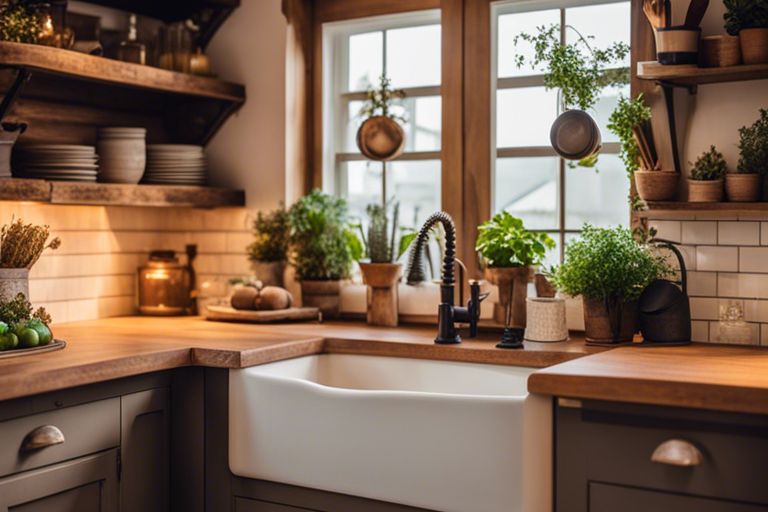
23 Restaurant Interior Design Ideas for a Stunning Dining Experience: Transform Your Space Today
When it comes to creating a memorable dining experience, your restaurant’s interior design plays a huge role. Imagine walking into a space that instantly feels welcoming, stylish, and perfectly suited to the food and vibe you offer.
Wouldn’t that make you want to stay longer, enjoy every bite, and keep coming back? Whether you’re starting fresh or looking to refresh your space, these 23 restaurant interior design ideas will inspire you to craft a stunning atmosphere that captivates your guests from the moment they step inside.
Ready to transform your restaurant into the go-to spot in town? Let’s dive in and discover how small design choices can make a big impact on your customers’ experience.
Warm Lighting Ideas
Low-energy natural lighting saves power and creates a soft, warm glow. Large windows and skylights let in sunlight, making spaces feel open and fresh. Using natural light reduces the need for harsh artificial lights. It helps customers feel relaxed and happy.
Accent and pendant lights add style and focus to dining areas. They highlight tables, artwork, or architectural features. Pendant lights come in many shapes and sizes, offering a unique look. Accent lights create depth and interest, making the space more inviting.
Mood-enhancing color temperatures influence how the restaurant feels. Warm white lights (2700K–3000K) create a cozy, friendly atmosphere. Cooler lights (4000K–5000K) feel fresh and clean but can be too bright. Choosing the right color temperature helps set the perfect dining mood.
:max_bytes(150000):strip_icc()/27881_ClothandKind9_23_23_RusticWhite017_preview-7a06c6f16f9240faa69d31c2fc0d4b8f.jpg)
Credit: www.southernliving.com
Eco-friendly Materials
Recycled wood and pine bring warmth and charm to any restaurant. These materials are durable and earth-friendly. Using them reduces waste and supports sustainability. Pine wood is light-colored and creates a fresh, clean look. Recycled wood adds character with its unique grain and texture.
Sustainable fabrics and finishes help keep the space healthy and green. Choose fabrics made from organic cotton, bamboo, or hemp. These are soft, natural, and less harmful to the planet. Finishes using low-VOC paints and natural oils improve air quality indoors.
Green walls and indoor plants add life and color. They clean the air and create a calm, inviting atmosphere. Plants like ferns, succulents, and ivy are easy to maintain and look beautiful. Green walls save space while giving a lush, natural feel.
Layout And Space Planning
Seating arrangements must balance comfort and capacity. Use a mix of tables for two, four, and larger groups to fit different diners.
Private areas offer quiet spots for intimate meals. Communal spaces encourage socializing and create lively vibes. This mix suits many customer types.
Clear walkways help both guests and staff move easily. Ensure doorways and aisles are wide enough for comfort and safety.
| Design Element | Key Points |
|---|---|
| Optimizing Seating | Mix table sizes, keep space for comfort |
| Private & Communal Areas | Balance quiet spots and social tables |
| Flow & Accessibility | Wide aisles, clear paths for easy movement |
Color Schemes And Themes
Earthy and organic tones create a warm and inviting space. Shades like brown, beige, and green bring nature inside. These colors make diners feel calm and relaxed.
Bold and moody palettes add drama and style. Deep blues, dark greens, and rich blacks give a cozy and elegant vibe. These palettes work well for upscale or intimate dining areas.
Regional and cultural influences give the restaurant a unique personality. Using colors from local traditions or cultures helps tell a story. It can also connect guests to the place or cuisine.
Furniture Choices
Mixing modern and vintage pieces creates a unique restaurant style. Modern items add clean lines and simplicity. Vintage pieces bring warmth and character. Combining both keeps the space fresh and inviting.
Choose comfortable seating options to keep guests happy. Soft cushions and ergonomic chairs help diners relax. Variety in seating, like booths and stools, suits different group sizes. Comfort encourages longer visits and return customers.
Custom-made tables and chairs offer a personal touch. They fit perfectly in your space and match your theme. Custom furniture can also be durable and made from quality materials. This boosts both style and function.
Decor And Artwork
Local art displays add character and connect diners to the community. Use paintings, sculptures, or photos from nearby artists. This creates a unique and personal touch. Statement accent walls catch the eye and set the mood. Choose bold colors or textured finishes. Walls with geometric patterns or murals create a lively vibe.
Textiles and wall coverings bring warmth and texture. Use fabrics like velvet or linen on walls or as hanging decor. Patterns inspired by local culture can enhance the theme. Combining these elements makes the space inviting and memorable.
Unique Ambience Elements
Live entertainment spaces bring energy and fun to the dining room. These areas can host music, small shows, or local artists. Guests enjoy meals while watching performances, making visits memorable. This element often creates a lively and inviting atmosphere.
Interactive tasting stations invite diners to explore flavors up close. They can sample sauces, spices, or small dishes. This hands-on experience encourages curiosity and interaction. It also adds a playful, educational touch to the meal.
Themed dining zones divide the restaurant into unique sections. Each zone may have distinct decor and seating styles. Themes could be based on regions, seasons, or stories. This variety keeps guests excited to explore the space and try different spots.
Technology Integration
Smart lighting controls let restaurants change mood and save energy. Lights can dim or brighten with a tap. This helps create a warm or lively atmosphere quickly.
Sound systems improve the dining experience by playing music softly. Good acoustics reduce noise so guests can talk easily. Speakers placed well make sound clear in every corner.
Digital menus and ordering speed up service. Guests see pictures and descriptions on tablets or screens. Orders go directly to the kitchen, cutting mistakes and wait time. This technology makes dining smooth and fun.
Bar And Lounge Design
Inviting bar counters draw guests in with warm colors and smooth surfaces. Use wood or stone for a natural feel. Keep the counter uncluttered to welcome easy conversation. Adding footrests makes sitting comfortable for longer times.
Comfortable lounge seating invites guests to relax and enjoy. Soft cushions and curved shapes create a cozy space. Mix chairs and sofas for variety. Arrange seating in small groups to encourage chatting.
Display shelves and lighting highlight drinks and décor. Use open shelves to show bottles and glassware neatly. Install soft, warm lights above shelves to add glow. Lighting should create a calm, inviting mood without glare.

Credit: www.ebay.com
Restroom Design
Restrooms should feature clean and stylish fixtures to create a fresh look. Choose sinks, faucets, and toilets that are easy to clean and visually appealing. Matching the fixtures with the restaurant’s overall style helps maintain a coordinated design theme.
Using colors and materials from the main dining area in the restroom keeps the design consistent. Soft lighting and simple decor add a touch of elegance without overcrowding.
Accessibility and comfort are essential. Make sure restrooms have enough space for wheelchairs and easy-to-use handles. Comfortable temperature and good ventilation improve the guest experience. Soft mats or non-slip floors increase safety for all visitors.
Outdoor Dining Spaces
Outdoor dining spaces invite guests to enjoy fresh air and nature. Patio and garden areas create a relaxed vibe with plants and flowers. Use weather-resistant furnishings like metal or treated wood. These materials last long and resist rain or sun damage.
Lighting and heating solutions keep guests cozy and safe after dark. String lights or lanterns add charm and soft light. Portable heaters or fire pits provide warmth on cool evenings. Together, these elements make outdoor dining comfortable and inviting all year.
Branding Through Design
Logo and signage placement should be clear and visible at the entrance and inside. This helps customers recognize your brand easily. Use colors and styles that match your overall theme.
A consistent visual identity ties all design elements together. Walls, furniture, and lighting should reflect your brand’s personality. This makes the dining space feel welcoming and unique.
Custom uniforms and menus add a personal touch. Uniforms that match the restaurant’s colors create a professional look. Menus designed with the same fonts and colors reinforce brand recognition.

Credit: www.tripadvisor.com
Frequently Asked Questions
What Is The 3-5-7 Rule In Interior Design?
The 3-5-7 rule in interior design balances color use: 3 parts dominant, 5 parts secondary, and 7 parts accent.
What Are Some Trending Restaurant Decor Styles?
Trending restaurant decor styles include industrial chic, rustic farmhouse, modern minimalism, biophilic design with greenery, and vintage retro themes. Sustainable materials and warm lighting also enhance ambiance, creating inviting and memorable dining spaces.
What Makes A Great Dining Experience?
A great dining experience combines delicious food, attentive service, inviting atmosphere, and thoughtful details that delight guests.
How To Create A Unique Dining Experience?
Create a unique dining experience by combining inviting ambiance, personalized decor, local flavors, and engaging events. Focus on warm lighting, quality service, and memorable touches.
Conclusion
Creating a welcoming and stylish restaurant space draws guests in. Thoughtful design shapes their mood and dining joy. Simple touches like good lighting and comfy seating matter. Using natural materials adds warmth and charm to interiors. Unique decor reflects your restaurant’s character and story.
Small details often leave the biggest impression on diners. A well-planned layout improves flow and customer comfort. These ideas help you build a memorable dining atmosphere. A great interior invites people to return again and again.