23 DIY Shed Plans Ideas: Build Your Perfect Backyard Escape Today!
Imagine stepping into your own backyard escape, a place where you can relax, create, or simply enjoy some peace away from the daily hustle. Building your own shed gives you that special space tailored exactly to your needs.
Whether you want a cozy hideaway, extra storage, or a creative workshop, the right shed can transform your outdoor area completely. You’ll find 23 DIY shed plans that make building your perfect backyard retreat easier than you think. Ready to turn your dream shed into reality?
Keep reading to discover ideas that fit your style, budget, and skill level.
Shed Styles For Every Backyard
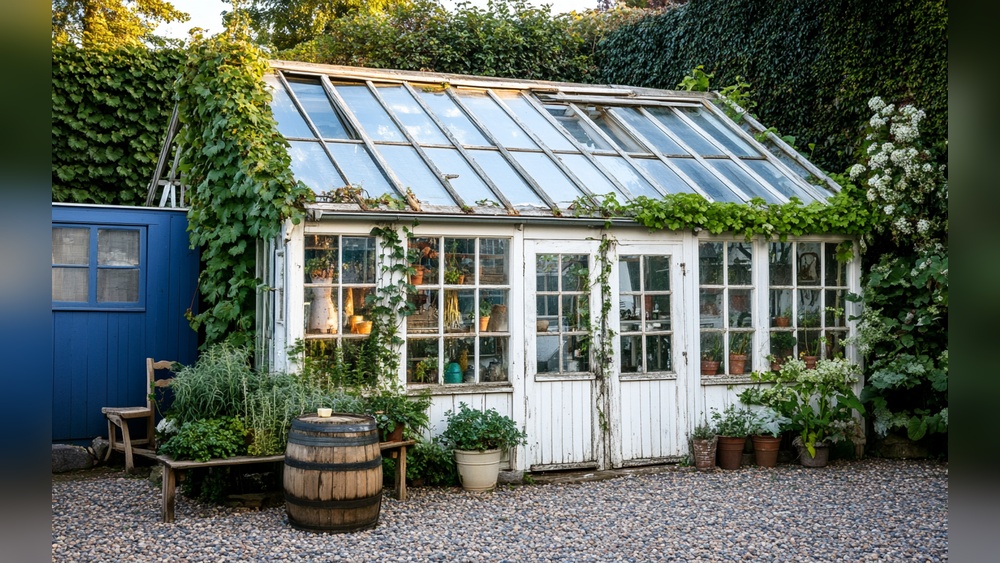
Rustic and reclaimed wood sheds bring a warm, natural feel to any backyard. These designs often use old wood, giving each shed a unique, weathered look. They blend well with gardens or natural landscapes, making them perfect for those who love vintage charm.
Modern and chic sheds focus on clean lines and simple shapes. They use materials like metal and glass, offering a sleek, stylish look. These sheds fit well in urban or minimalist backyards, adding a touch of sophistication.
Compact sheds are great for small yards. They save space but still offer plenty of storage or workspace. Ideal for storing tools or creating a small retreat, they make the most of limited areas.
Creative escape and she shed ideas turn sheds into cozy spots for relaxation or hobbies. Add windows for light, comfortable seating, and personal decor. These sheds become a private hideaway just steps from your door.
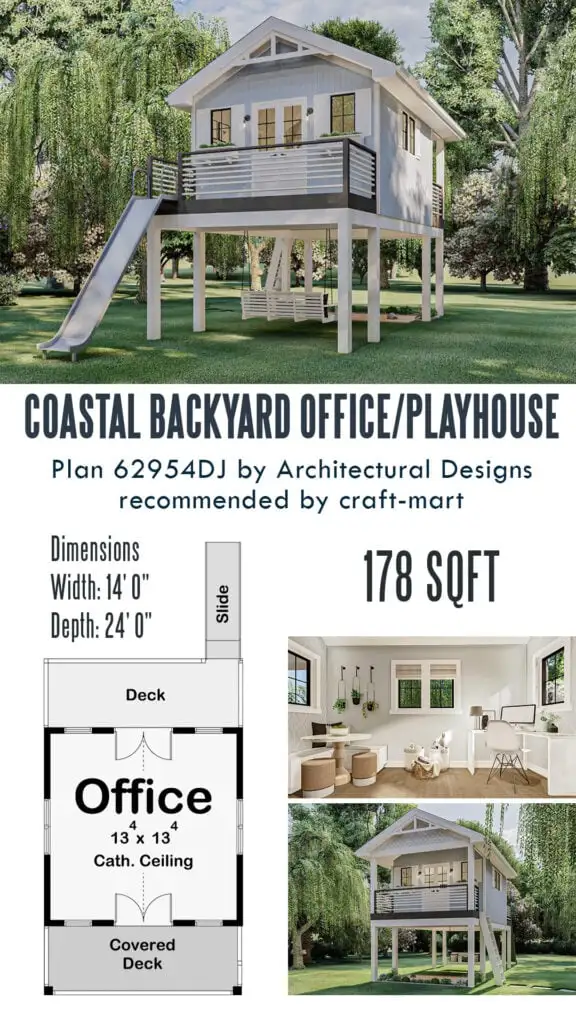
Credit: craft-mart.com
Essential Materials And Tools
Basic lumber such as 2x4s, plywood, and pressure-treated wood form the shed’s frame. Nails, screws, and brackets are key hardware for solid connections. For better durability, use treated lumber, metal roofing, and weather-resistant paint. These materials help the shed last longer outdoors.
Essential tools include a saw, drill, hammer, level, tape measure, and screwdriver. These make cutting, assembling, and aligning easier and more precise. A square and ladder are helpful for accuracy and safety during construction.
Salvaged or recycled wood and hardware can lower costs and add character. Check for sturdy, untreated wood free of rot or pests. Using old windows or doors can also add charm while recycling materials.
Step-by-step Building Process
Planning and sketching your shed starts with choosing the right size and style. Draw a simple sketch to map out the shape. Mark where doors and windows will go. This helps avoid mistakes later.
Preparing the foundation means making sure the ground is flat and stable. Use gravel or concrete blocks to support the shed. A strong foundation keeps the shed steady and dry.
Framing walls and roof involves cutting and joining wood pieces to form the shed’s skeleton. Make sure all corners are square. Use nails and screws to hold everything tight.
Installing doors and windows allows light and access. Fit windows carefully to avoid gaps. Hang doors so they open smoothly and close tightly.
Finishing touches and roofing protect the shed from weather. Add shingles or metal sheets on the roof. Paint or stain the wood for a nice look and extra protection.
Optimizing Shed Layout
Use vertical space smartly to keep your shed neat. Tall shelves and hooks on walls help store tools and supplies easily. This keeps the floor clear and makes the shed feel bigger.
Adding multi-functional areas can save room. For example, a workbench with storage underneath helps you work and organize in one spot. Folding tables or stackable chairs are good choices too.
| Feature | Benefit |
|---|---|
| Shelves & Hooks | Keep tools visible and off the floor |
| Multi-Functional Spaces | Save space with combined uses |
| Lighting | Brightens up the work area |
| Ventilation | Keeps air fresh and reduces moisture |
Good lighting makes it easier to find things and work safely. Natural light or LED lights are great options. Proper ventilation stops dampness and keeps the air fresh inside the shed.
Common Diy Shed Mistakes
Cutting lumber incorrectly can cause parts not to fit well. Measure twice, cut once. Use a sharp saw and steady hands. Uneven cuts make assembly hard and weak.
Uneven foundations and frames lead to shaky sheds. Check the ground with a level before building. A flat base keeps walls straight and strong.
Improper nailing and fastening can make your shed fall apart. Use the right nails and screws. Drive nails straight and not too deep. Fasten all joints tightly for better strength.
Using inappropriate materials wastes money and time. Choose wood made for outdoor use. Avoid drywall or soft woods that rot fast. Good materials last many years.
Ignoring weatherproofing details lets water damage your shed. Add flashing, seal gaps, and use paint or stain. Protect your shed from rain, wind, and sun for longer life.

Credit: almostheaven.com
Cost Considerations
Budgeting for materials is key. Choose between basic lumber or upgraded wood. Basic materials cost less but may wear out faster. Upgraded materials last longer but cost more.
Comparing DIY vs. kit costs shows clear differences. DIY saves on labor but needs more time and effort. Kits include materials and instructions but often cost more.
| Cost Item | DIY (Basic) | Kit (Upgraded) |
|---|---|---|
| Lumber & Materials | $4,000 | $5,500–$8,000 |
| Labor | $0 (DIY) | $2,500–$5,000 |
| Roofing & Finishing | $1,000 | $1,500–$3,000 |
| Total Cost | $4,000+ | $8,000–$16,000+ |
Labor savings come with more time spent on building. Plan extra hours for cutting, assembling, and finishing. Time investment varies by skill and tools.
Upgrades like better roofing, insulation, or windows add comfort and value. These cost more but improve the shed’s look and function. Choose upgrades that fit your needs and budget.
Personalizing Your Backyard Escape
Creating a cozy interior transforms your shed into a welcoming space. Use soft cushions, warm lighting, and rugs for comfort. Shelves and hooks help keep things tidy and easy to find. Functional accessories like a small fan, heater, or desk lamp improve usability.
Surround your shed with beautiful landscaping to blend it into your backyard. Plant flowers, shrubs, or small trees nearby. A stone path or mulch bed makes access easy and neat. Consider adding a bench or small seating area for relaxation.
Turning your shed into a workspace or studio requires good lighting and ventilation. Use a sturdy table or workbench and storage for tools or art supplies. Insulate the walls to keep it comfortable year-round. This creates a perfect spot to focus on hobbies or work.

Credit: www.youtube.com
Maintenance Tips For Longevity
Protecting your shed from moisture is key to its long life. Use a good waterproof sealant on all surfaces. Make sure the roof has proper drainage to avoid water pooling. Keep gutters clean and direct water away from the shed base.
Check your shed often for any signs of damage or leaks. Fix small problems fast to stop bigger issues. Tighten loose screws and replace cracked panels quickly.
Painting or staining your shed adds a strong layer of protection. Choose quality paint or stain that suits your shed material. Reapply every few years to keep the wood safe and looking nice.
Stop pests by sealing all gaps and cracks. Use pest-resistant materials if possible. Keep the area around the shed clean and dry to reduce hiding places for bugs and rodents.
Frequently Asked Questions
Is It Cheaper To Build A Shed From Scratch Or Buy A Kit?
Building a shed from scratch often costs less on materials but requires more time and skill. Kits offer convenience but can be pricier.
What Are Common Mistakes In Diy Shed Building?
Common DIY shed building mistakes include cutting all lumber at once, failing to square the floor frame, and not leveling the foundation. Avoid framing walls on uneven ground, using interior-grade materials, improper rafter assembly, and skipping drip edge installation for a durable shed.
What Is The Best Layout For A Shed?
The best shed layout maximizes vertical space with tall shelves, hooks, and overhead storage. Prioritize easy access and organized zones for tools and equipment.
How Much To Build A 20×20 Shed Diy?
Building a 20×20 DIY shed typically costs between $3,000 and $5,000, depending on materials and finishes chosen.
Conclusion
Building your perfect backyard shed is easier than you think. These 23 DIY plans offer ideas for every skill level. Pick a design that fits your space and needs. Use simple tools and materials to bring it to life. Enjoy the process of creating a personal retreat or extra storage.
A well-built shed adds value and charm to your home. Start small, stay patient, and watch your dream shed grow. Your backyard escape is just a project away.