15 Raised Garden Bed Plans: Easy & Creative DIY Ideas

I still remember the first time I built a raised garden bed in my backyard. I was surprised by how much easier gardening became less bending, fewer weeds, better soil control, and a space that looked beautifully organized.
If you’ve been dreaming of growing your own flowers, herbs, or vegetables, I truly believe a raised garden bed is one of the best DIY projects you can try.
You don’t need a huge backyard or professional skills to create a gorgeous garden. With the right raised garden bed plan, you can turn even a small outdoor corner into a charming, productive retreat.
Whether you love a rustic cottage garden, a modern backyard style, or a simple beginner-friendly setup, these ideas will inspire you to create a garden space you’ll love spending time in.
1. Classic Wooden Raised Garden Bed
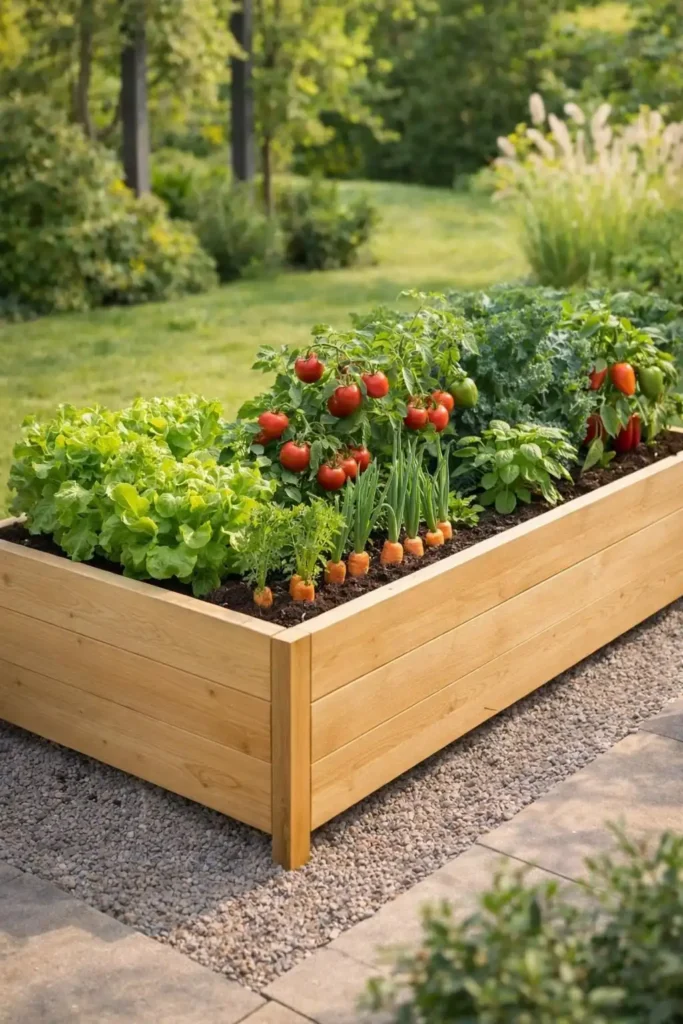
A classic wooden raised bed is where I recommend most beginners start because it’s simple, affordable, and incredibly versatile.
Natural wood gives your garden a warm and timeless look that blends beautifully with flowers, herbs, and vegetables.
You can customize the size to fit your yard and paint or stain it to match your outdoor style. It’s a DIY project that looks impressive but is surprisingly easy to build.
2. Elevated Raised Garden Bed with Legs
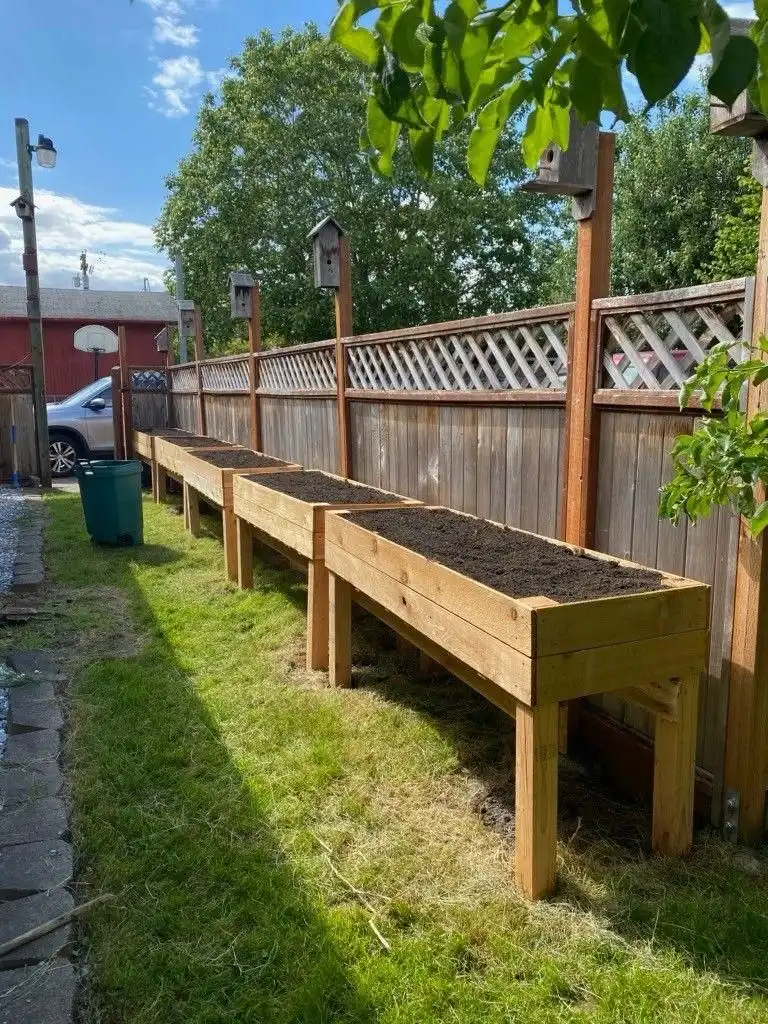
If you dislike bending over while gardening, an elevated garden bed can be a complete game changer.
I love how comfortable it makes planting, watering, and harvesting, especially for herbs and smaller vegetables.
The raised height also helps keep certain pests away and makes gardening more accessible. It’s a wonderful option for patios, decks, and small outdoor spaces.
3. U-Shaped Raised Garden Bed

A U-shaped design is one of my favorite plans for serious gardeners because it provides plenty of growing space while keeping everything within easy reach.
The open center allows you to move around comfortably without stepping on your soil. It also creates a beautiful garden focal point that feels organized and professionally designed. This layout works perfectly in larger backyards.
4. Raised Garden Bed with Trellis
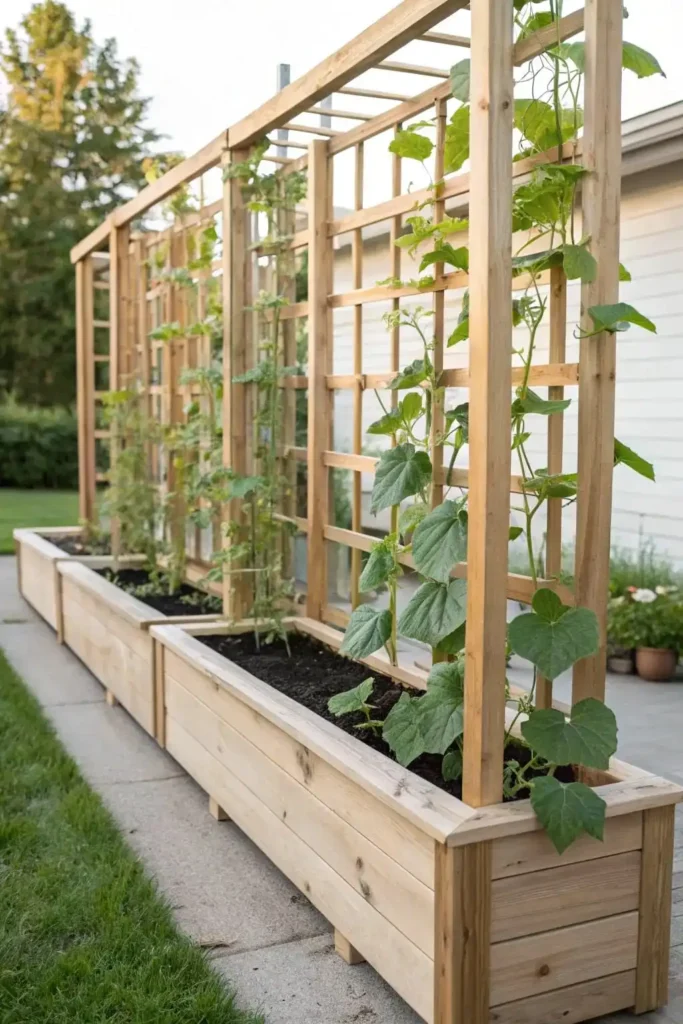
Adding a trellis to your raised bed instantly gives your garden more height and character. I love this idea for climbing plants like beans, cucumbers, peas, or flowering vines.
It helps you save space by growing upward while creating a stunning green wall effect. The combination of structure and plants makes the entire garden feel more decorative.
5. Tiered Raised Garden Bed
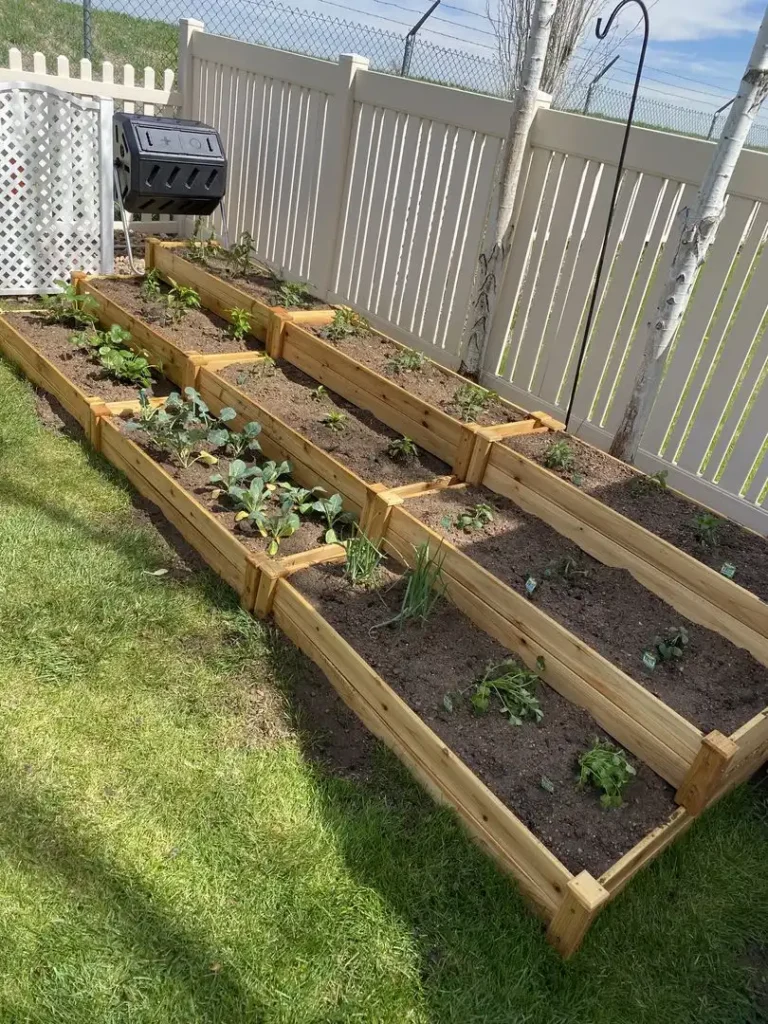
A tiered garden bed creates a layered, eye-catching design that makes any backyard look more elegant. I especially love using different levels for flowers, herbs, and vegetables because each plant gets its own dedicated space.
The varying heights add visual interest and make your garden feel more like a professionally landscaped area. It’s perfect for adding charm to smaller spaces.
6. Cinder Block Raised Garden Bed
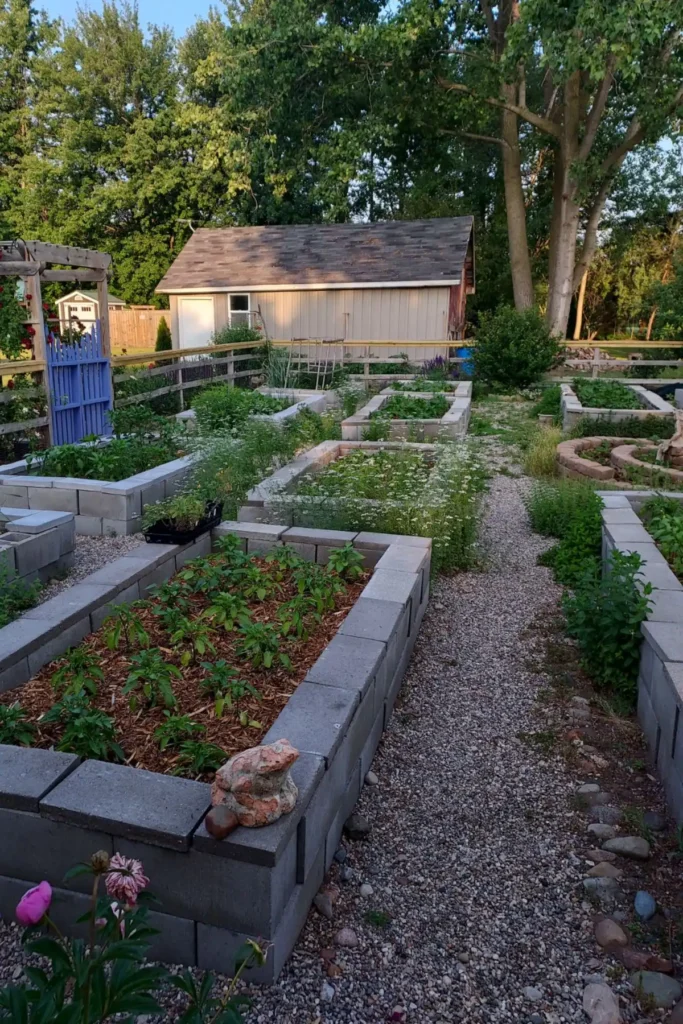
Cinder blocks are one of the most affordable materials for a DIY garden bed. I appreciate how durable they are and how quickly you can put a bed together without advanced building skills.
The small holes in the blocks can even be used to grow herbs or tiny flowers. It’s a creative and budget-friendly choice that lasts for years.
7. Corner Raised Garden Bed

A corner raised bed is a smart way to use areas of your yard that often go unnoticed.
I love this design because it turns empty corners into beautiful little garden escapes.
You can fill it with colorful flowers, fragrant herbs, or your favorite vegetables. It’s a perfect solution for small backyards and cozy garden spaces.
8. Metal Raised Garden Bed
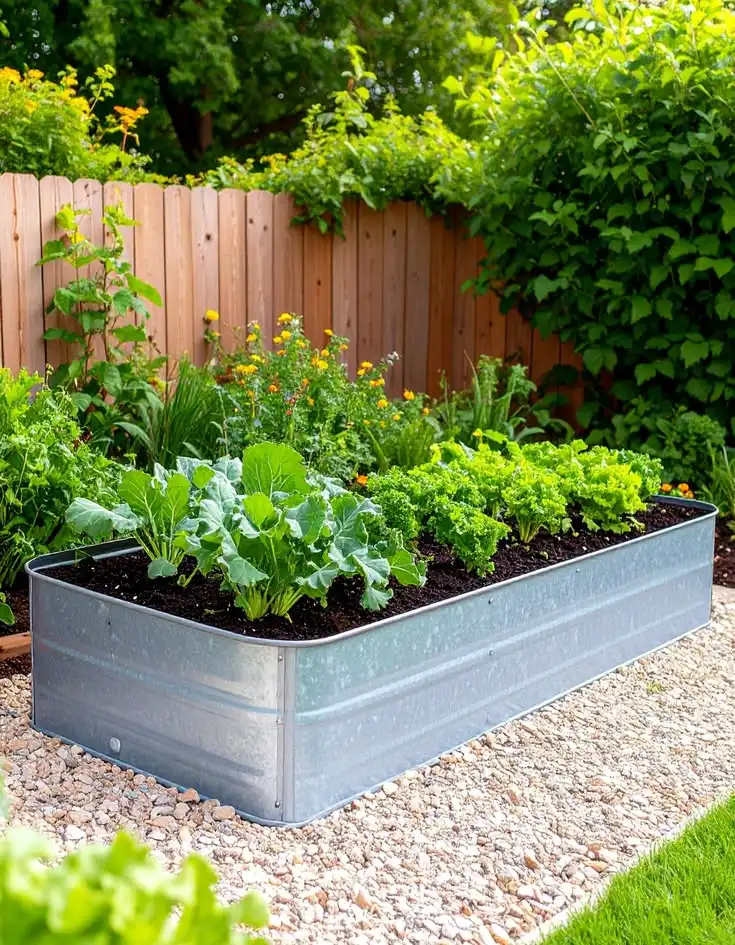
Metal garden beds have a modern, clean appearance that instantly upgrades your outdoor area.
I love the contrast between sleek metal and natural greenery because it creates a stylish farmhouse-inspired look.
They are also incredibly durable and resistant to rot or insect damage. If you want a low-maintenance option, this is an excellent choice.
9. L-Shaped Raised Garden Bed
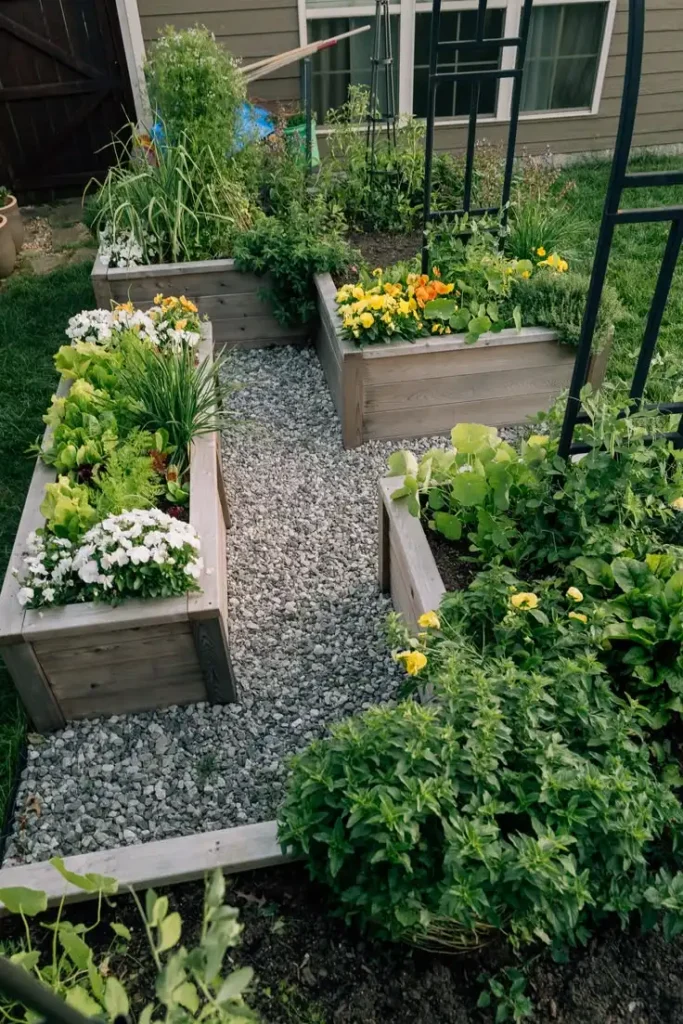
An L-shaped garden bed is ideal for maximizing available space while creating a unique layout.
I find this design especially useful along fences, walls, or backyard edges where traditional beds may not fit well.
It provides plenty of room for different types of plants while keeping your garden neat. The shape itself adds an interesting visual element.
10. Raised Garden Bed with Built-In Bench
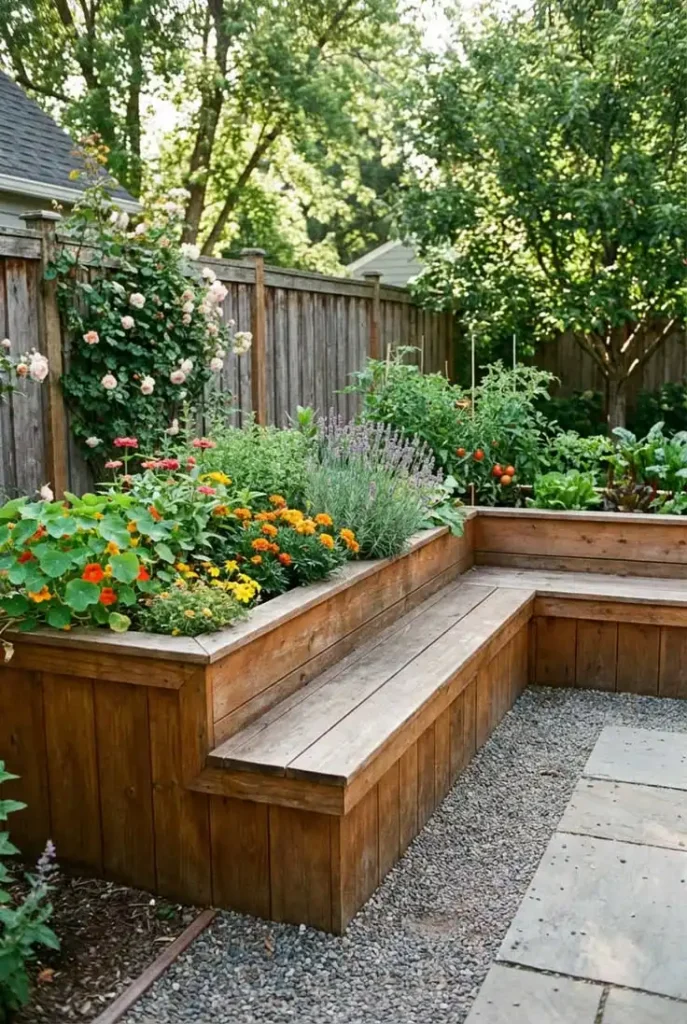
This idea combines gardening with relaxation, which is something I absolutely love.
A built-in bench gives you a comfortable place to sit while planting, watering, or simply enjoying your garden.
It makes the space feel more inviting and turns your garden into a peaceful outdoor retreat. It’s both practical and incredibly charming.
11. Pallet Wood Raised Garden Bed

Using old pallets is a wonderful way to create a garden bed while recycling materials. I love the rustic and casual look that pallet wood brings to a backyard.
With a little sanding and preparation, pallets can become beautiful containers for flowers or vegetables. This is a fantastic DIY idea for gardeners working with a small budget.
12. Round Raised Garden Bed
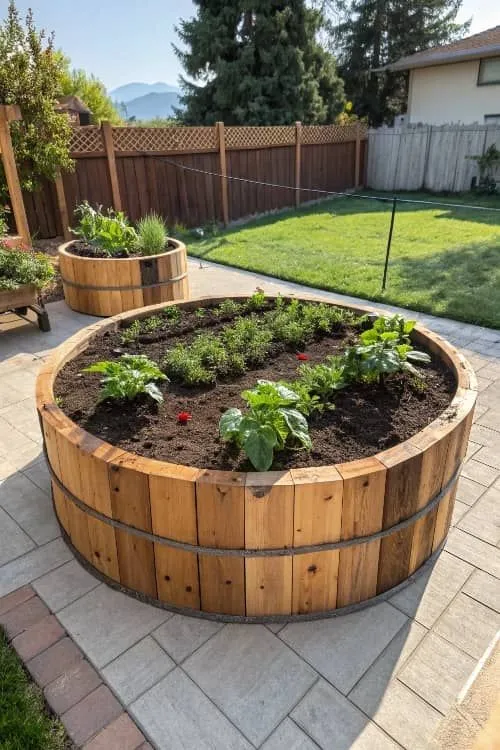
A circular raised bed brings softness and creativity to a garden filled with straight lines. I find that it creates a beautiful centerpiece, especially when planted with colorful flowers or a mix of herbs.
The unique shape makes your garden feel more artistic and thoughtfully designed. It’s a great option if you want something different from the traditional rectangle.
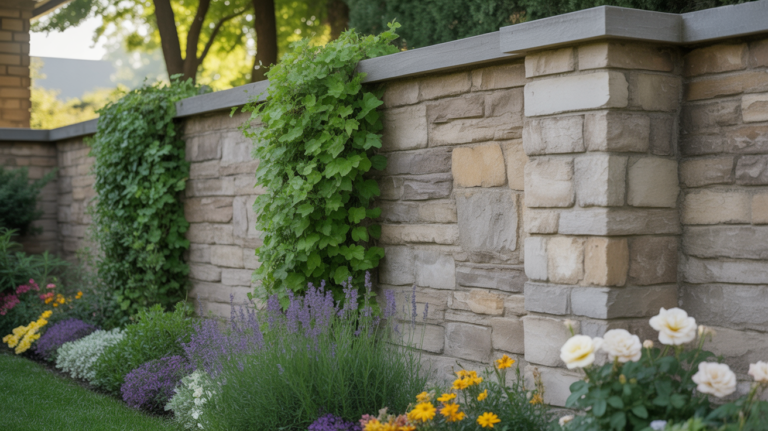
13. Stone Raised Garden Bed

Stone garden beds have a natural, luxurious look that never goes out of style.
I love how they blend effortlessly into outdoor landscapes and create a charming cottage garden feel.
Although they may require more effort to build, their durability and beauty make them worth it. They can become a stunning permanent feature in your yard.
14. Vertical Raised Garden Bed
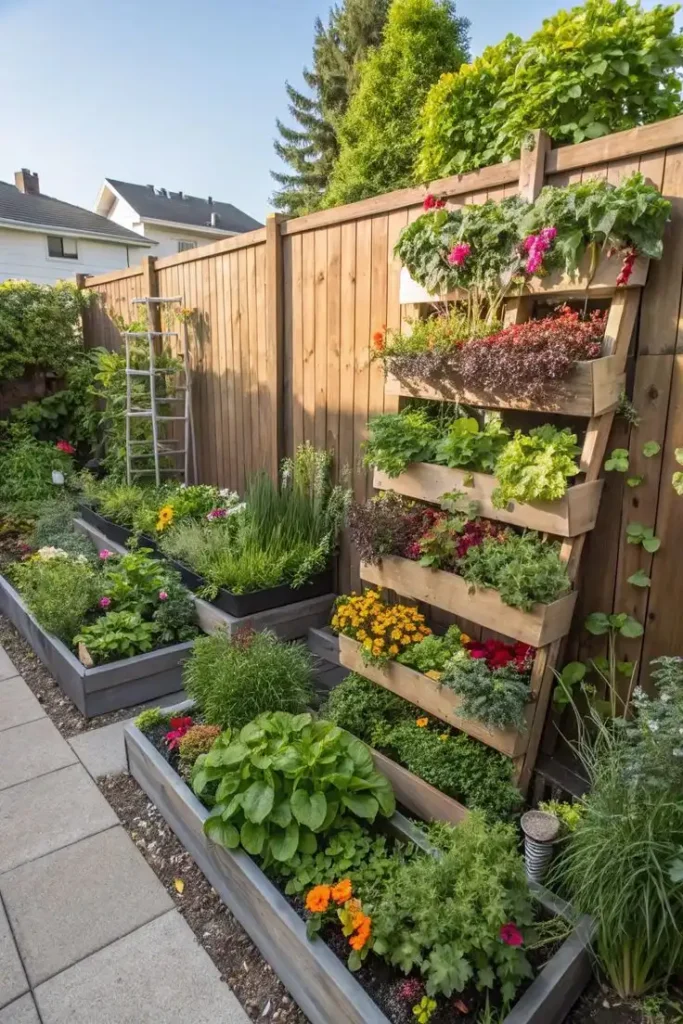
When space is limited, going vertical is one of the smartest gardening solutions. I love how these beds allow you to grow more plants without taking up much ground space.
They are perfect for small patios, balconies, and tiny backyards. Plus, they create a gorgeous wall of greenery that feels fresh and modern.
15. Decorative Painted Raised Garden Bed

Who says a garden bed has to be plain? Painting your raised beds in soft pastel shades, bold colors, or classic white can add so much personality to your backyard.
I enjoy this idea because it allows you to match your garden to your home’s aesthetic. It’s an easy way to make a simple DIY project look custom and stylish.
Conclusion
Creating a raised garden bed is one of those DIY projects that gives back season after season.
I love how it not only makes gardening easier but also transforms an ordinary backyard into a beautiful and peaceful place to spend time. Whether you choose a simple wooden box or a decorative stone design, your garden can become a reflection of your personal style.
Start with a plan that fits your space, budget, and gardening goals. Remember, you don’t need a perfect garden to enjoy the process sometimes the most charming gardens are the ones created with your own hands and creativity.
FAQs
1. What is the easiest raised garden bed to build?
A simple wooden raised garden bed is usually the easiest option for beginners. It requires basic materials, simple tools, and can be customized to any size.
2. What should I put at the bottom of a raised garden bed?
You can add cardboard, landscape fabric, leaves, or small branches at the bottom to help suppress weeds and improve drainage before adding soil.
3. What wood is best for raised garden beds?
Cedar and redwood are popular choices because they naturally resist moisture and insects, making them long-lasting options for outdoor use.
4. How deep should a raised garden bed be?
Most raised garden beds should be at least 10–12 inches deep, but deeper beds are better for plants with larger root systems.
5. Are raised garden beds better than gardening in the ground?
In many cases, yes. Raised beds offer better soil control, improved drainage, fewer weeds, and make gardening easier and more comfortable.