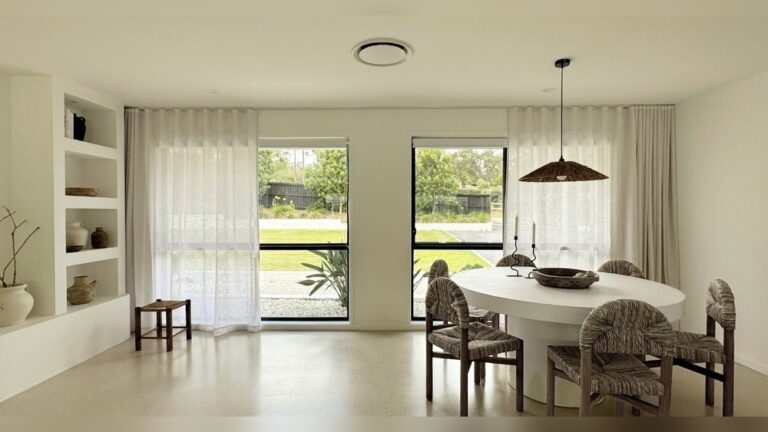
23 Traditional Houses Ideas That Define Timeless Charm and Classic Elegance
There’s something deeply comforting about traditional homes that I don’t think modern designs can fully replace. Whenever I step into a space with classic details, warm textures, and layered history, it feels grounded, welcoming, and truly lived-in. If you’ve ever wanted your home to feel more elegant without chasing trends, this is exactly where traditional design shines.
I’ve personally tried blending traditional elements into my own space, and I can tell you—it’s not just about looks. It brings a sense of calm, structure, and timeless beauty that doesn’t fade with time. If you’re someone who loves cozy, graceful, and thoughtfully designed interiors, these ideas will help you create a home that feels both classic and deeply personal.
1. Symmetrical Facade with Centered Entry
One of the first things I always notice in traditional homes is symmetry. A centered front door with evenly spaced windows on both sides instantly creates balance and elegance. It gives your home a sense of order that feels visually satisfying and welcoming. I’ve found that even small homes look more refined when the exterior follows this principle. Adding matching lanterns or planters enhances the symmetry even further. It’s a simple idea, but it sets the tone for everything else.
2. Classic Brick or Stone Exterior
There’s a reason brick and stone have stood the test of time—they age beautifully and never go out of style. I personally love how these materials add texture and depth without feeling overwhelming. Whether it’s red brick, limestone, or a mix of both, the natural tones create warmth instantly. These materials also make your home feel solid and enduring. If you want that “forever home” look, this is one of the best ways to achieve it.
3. Grand Entryways with Statement Doors
I’ve always believed your front door says a lot about your home. A traditional house often features a solid wood door with panels, carvings, or even glass inserts. It feels substantial and inviting at the same time. When I upgraded my own entryway, I noticed how much more polished everything looked. Pairing the door with sidelights or a transom window can elevate it even more. It’s a small detail that makes a big impact.
4. Gabled Rooflines for Architectural Depth
Traditional homes often feature gabled roofs, and I think that’s what gives them their recognizable silhouette. These angled rooflines add dimension and character that flat roofs simply don’t offer. I’ve always admired how they create a cozy, storybook-like appearance. Beyond aesthetics, they also help with drainage and durability. If you want your home to feel classic from the outside, this is a key feature to include.
5. Warm Neutral Color Palettes
One thing I’ve learned over time is that traditional homes rely heavily on warm, neutral colors. Think creams, beiges, soft grays, and muted greens. These shades create a calming environment that feels timeless rather than trendy. I personally prefer these tones because they allow furniture and decor to shine without overwhelming the space. They also make rooms feel more cohesive and inviting. It’s a palette that never feels outdated.
6. Crown Molding and Decorative Trim
Crown molding is one of those details I didn’t appreciate until I saw it done right. It adds a layer of sophistication that instantly elevates any room. Traditional homes often feature detailed trim around ceilings, doors, and windows. I’ve noticed that even simple spaces feel more refined with these additions. It frames the room beautifully and adds subtle elegance. If you want a high-end look, this is definitely worth considering.
7. Hardwood Flooring with Rich Finishes
There’s nothing quite like the warmth of real hardwood floors. In traditional homes, darker wood tones are often used to create a grounded, elegant feel. I personally love how they add depth and contrast to lighter walls. They also age gracefully, developing character over time. Rugs can be layered on top, but the wood underneath always remains the star. It’s a classic choice that never disappoints.
8. Formal Living and Dining Spaces
Traditional homes often include defined rooms rather than open layouts. At first, I thought this might feel restrictive, but it actually creates a sense of purpose. A formal dining room, for example, feels special and intentional. I’ve found that it encourages more meaningful gatherings and memorable moments. Each space has its own identity, which makes the home feel more organized and complete.
9. Elegant Fireplaces as Focal Points
A fireplace is often the heart of a traditional living room. Whether it’s stone, marble, or wood-paneled, it draws attention and anchors the space. I’ve always loved arranging furniture around a fireplace—it naturally creates a cozy and intimate setting. Even if it’s not functional, the visual impact is undeniable. It’s one of those features that instantly adds charm and character.
10. Built-In Shelving and Cabinetry
Built-ins are something I wish more modern homes included. They provide storage while also enhancing the room’s design. In traditional homes, you’ll often see bookshelves framing a fireplace or custom cabinets in dining areas. I’ve used built-ins to display books, decor, and even family photos. They make the space feel curated and intentional. Plus, they reduce clutter beautifully.
11. Classic Window Treatments
Heavy drapes, valances, and layered curtains are a hallmark of traditional interiors. I used to prefer minimal window coverings, but I’ve grown to appreciate the richness these add. They soften the room and create a sense of luxury. Choosing fabrics like linen, silk, or velvet can make a big difference. It’s all about layering and texture, which gives the space a more finished look.
12. Antique or Vintage-Inspired Furniture
Traditional homes often feature furniture with history or classic craftsmanship. I love mixing in antique pieces because they add authenticity and depth. Even one vintage chair or table can transform a room. These pieces often have intricate details that you don’t see in modern designs. They tell a story, which makes your home feel more personal and meaningful.
13. Ornate Lighting Fixtures
Lighting plays a huge role in setting the tone. In traditional homes, chandeliers and sconces are commonly used. I’ve found that even a simple chandelier can elevate a dining room instantly. Look for designs with metal finishes, crystals, or classic shapes. They add a sense of grandeur without being overwhelming. It’s one of the easiest ways to enhance elegance.
14. Layered Textiles and Fabrics
One thing I always focus on is layering different fabrics. Traditional homes excel at this—think rugs, throws, cushions, and upholstered furniture. I’ve noticed that this approach makes a space feel more comfortable and inviting. Mixing textures like wool, cotton, and velvet adds depth. It’s not just about decoration; it’s about creating a space that feels lived-in and warm.
15. Paneled Walls and Wainscoting
Wall paneling is a classic feature that adds architectural interest. I personally love wainscoting because it makes walls feel less flat and more dynamic. It also protects the lower portion of the wall, which is practical. Painted in soft neutrals, it blends seamlessly with the rest of the decor. It’s a subtle detail that makes a big difference in overall design.
16. Traditional Kitchen with Timeless Cabinetry
Traditional kitchens often feature shaker-style cabinets, natural wood finishes, and classic hardware. I’ve found that these elements create a space that feels both functional and elegant. Adding details like glass-front cabinets or a farmhouse sink enhances the look. It’s a style that prioritizes comfort and usability without sacrificing beauty. Perfect for everyday living.
17. Decorative Ceiling Details
Ceilings are often overlooked, but traditional homes treat them as a design opportunity. Coffered ceilings, beams, or subtle patterns can add depth and interest. I’ve seen how this transforms a plain room into something extraordinary. It draws the eye upward and makes the space feel more complete. It’s a detail that truly elevates the overall design.
18. Cozy Reading Nooks
A reading nook is one of my favorite features in a traditional home. It creates a quiet, intimate space for relaxation. Adding a comfortable chair, soft lighting, and a small table is all you need. I’ve found that these corners become the most loved spots in the house. They add charm while also serving a practical purpose.
19. Classic Staircase Designs
Staircases in traditional homes are often beautifully crafted with wood railings and detailed balusters. I always see them as more than just functional—they’re a statement piece. A well-designed staircase adds elegance and flow to the home. It’s often one of the first things people notice when they walk in.
20. Garden-Inspired Outdoor Spaces
Traditional homes often extend their charm outdoors. I love incorporating garden elements like hedges, stone paths, and classic seating. These spaces feel peaceful and inviting. They’re perfect for relaxing or entertaining. It’s all about creating harmony between the house and its surroundings.
21. Timeless Bathroom Details
Bathrooms in traditional homes often feature marble, classic tiles, and vintage-style fixtures. I’ve found that these elements create a spa-like atmosphere. Even small details like framed mirrors or elegant lighting can make a difference. It’s about combining comfort with timeless design.
22. Decorative Accessories with Meaning
Traditional decor often includes meaningful accessories like framed art, ceramics, and heirlooms. I always encourage choosing pieces that tell your story. These items add personality and warmth to your home. It’s not about filling space—it’s about creating connection.
23. Balanced Mix of Function and Beauty
What I truly love about traditional homes is how they balance practicality with elegance. Every element serves a purpose while also contributing to the overall aesthetic. I’ve found that this approach makes a home feel complete and harmonious. It’s not just about looking good—it’s about living well.
Conclusion
Traditional home design isn’t about copying the past—it’s about creating a space that feels timeless, elegant, and deeply comforting. From architectural details to carefully chosen decor, every element works together to build a home that never feels outdated. I’ve personally seen how these ideas can transform even the simplest spaces into something truly special. If you’re looking for a style that offers beauty, warmth, and lasting appeal, traditional design is always a perfect choice.
FAQs
1. What defines a traditional house style?
A traditional house style focuses on symmetry, classic materials, and timeless details. It often includes elements like moldings, hardwood floors, and vintage-inspired furniture.
2. Can I mix traditional and modern styles?
Yes, and I actually recommend it. Mixing traditional elements with modern touches creates a balanced and personalized look that feels fresh yet timeless.
3. Are traditional homes expensive to design?
Not necessarily. You can start small by adding details like trim, lighting, or classic furniture pieces. Over time, these elements build a cohesive traditional look.
4. What colors work best in traditional homes?
Warm neutrals like beige, cream, soft gray, and muted tones work best. They create a calm and elegant atmosphere.
5. How do I make my home feel more traditional quickly?
Focus on small changes like adding layered textiles, classic lighting, and decorative trim. Even these simple updates can make a noticeable difference.