20 Garden Bed Ideas to Transform Your Outdoor Space: Stunning Designs
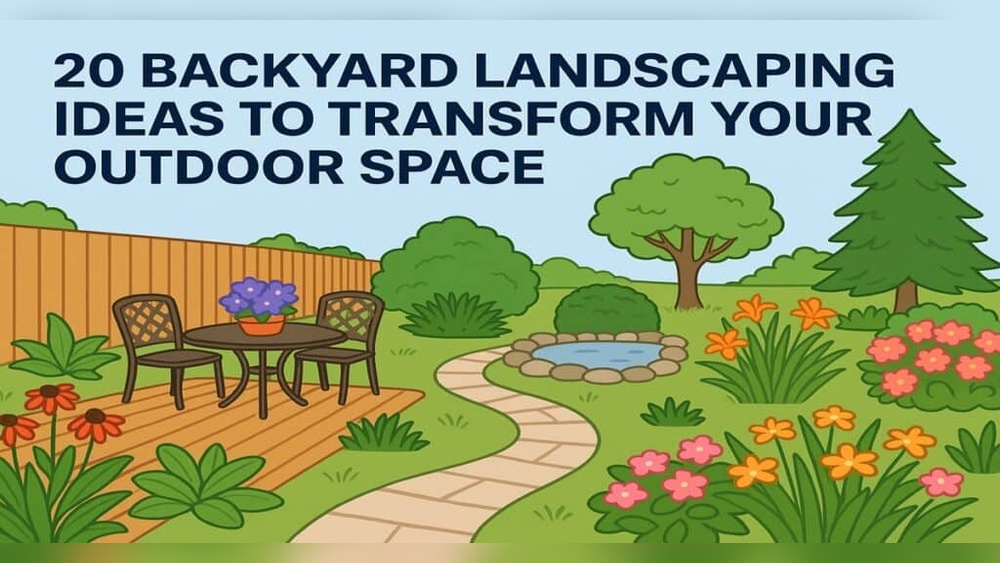
Are you ready to give your outdoor space a fresh new look? Whether you have a small backyard or a sprawling garden, the right garden bed can make all the difference.
Garden beds don’t just add beauty—they bring structure, color, and life to your space. Imagine stepping outside to a vibrant oasis where flowers, herbs, and veggies flourish in perfectly designed beds. In this post, you’ll discover 20 garden bed ideas that are easy to create and sure to transform your outdoor area into a stunning retreat.
Keep reading, and you’ll find inspiration that’s practical, creative, and tailored just for you. Your dream garden is closer than you think!
Credit: www.nikkisplate.com
Raised Garden Bed Designs
Classic wooden frames offer a natural look and easy assembly. They blend well with most garden styles and are affordable. Wood can be painted or stained to match your outdoor space. These beds provide good insulation for plant roots.
Modern metal beds bring a sleek, clean appearance. Made from materials like steel or aluminum, they resist weather and last long. Metal beds often have sharp lines and fit well in contemporary gardens. They can heat up in the sun, so consider placement carefully.
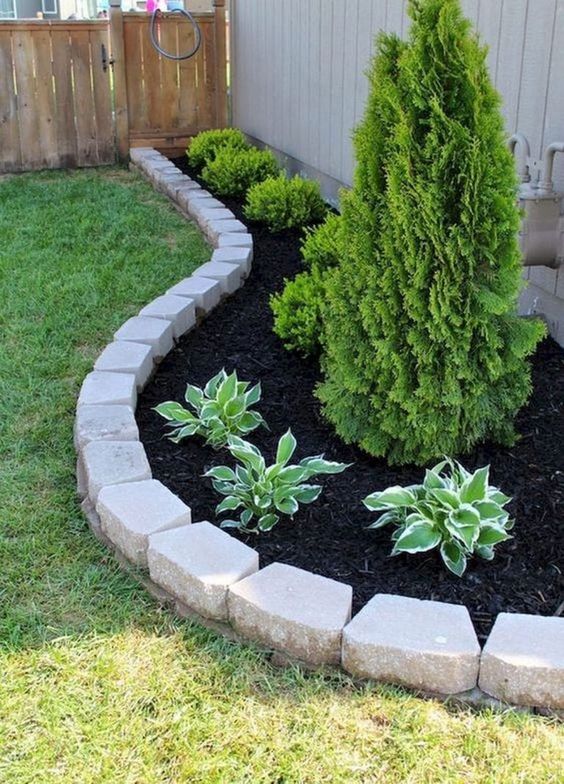
Stone and brick styles create a strong, timeless garden bed. These materials are heavy and durable, making them perfect for permanent setups. Stone and brick add texture and charm, enhancing the garden’s overall look. They require more effort to build but reward with beauty.
Modular and expandable options allow customization as your garden grows. These beds come in pieces that connect easily. You can add or remove sections to fit your space. Perfect for gardeners who want flexibility and easy re-arrangement.
Credit: www.walmart.com
Diy Raised Bed Ideas
Repurposed furniture can make unique raised garden beds. Old dressers, drawers, or wooden tables create charming plant containers. They add character and save money.
Concrete blocks and pavers are sturdy and easy to stack. They provide strong walls and good drainage. Blocks can be painted for a colorful touch.
Old tires and crates offer creative, eco-friendly options. Tires can be stacked or painted for a fun look. Wooden crates bring rustic charm and are easy to move.
Corrugated metal beds give a modern, industrial feel. They are durable and resist weather well. Metal beds also keep soil warm for healthy plants.
Creative Shapes And Layouts
Square and rectangular garden beds offer a classic and simple look. They fit well in most yards and make planting easy. These shapes allow efficient use of space and help keep plants organized. Raised rectangular beds improve soil drainage and reduce weeds.
Circular and curved designs bring a soft, natural feel to gardens. They create flow and movement that straight edges lack. Curved beds are perfect for winding paths or small areas. Circles and curves can highlight a special plant or feature.
Tiered and multi-level beds add height and depth to outdoor spaces. They are great for small gardens with limited ground area. These beds allow planting of different crops or flowers on each level. The tiers also make watering and harvesting easier.
Vertical garden beds use wall space to grow plants up instead of out. They are ideal for tiny yards or balconies. Vertical gardens save space and add greenery to bare walls. Easy to build, they support herbs, flowers, and small vegetables.
:strip_icc()/BHGKerriganHouse9795b_preview-91cdaefac8ed4a70a994a51cf5d2699d-a64e183b436e4f46a1b2a5cca3f868c6.jpg)
Credit: www.bhg.com
Planting Tips For Raised Beds
Best plants for raised beds include tomatoes, lettuce, carrots, and herbs. These plants grow well because raised beds have good soil and drainage. Strawberries and peppers also do well in raised beds.
Plants to avoid in raised beds are large-rooted plants like potatoes and corn. These plants need more space than raised beds offer. Also, avoid plants that require heavy watering, as raised beds drain quickly.
| Soil and Drainage Essentials | Companion Planting Ideas |
|---|---|
| Use loose, well-draining soil with compost. Mix equal parts of garden soil, compost, and peat moss. Avoid compacted soil to prevent root rot. Ensure good water flow to keep roots healthy. | Plant basil near tomatoes to improve growth. Marigolds help keep pests away from vegetables. Carrots grow well next to onions. Beans fix nitrogen and support corn growth. |
Enhancing Outdoor Spaces
Decorative elements add charm and personality to garden beds. Use colorful stones, garden statues, or small lanterns to create a welcoming feel. Mixing textures like wood, metal, and stone can make beds more interesting. Planting flowers with different heights and colors also brightens the space.
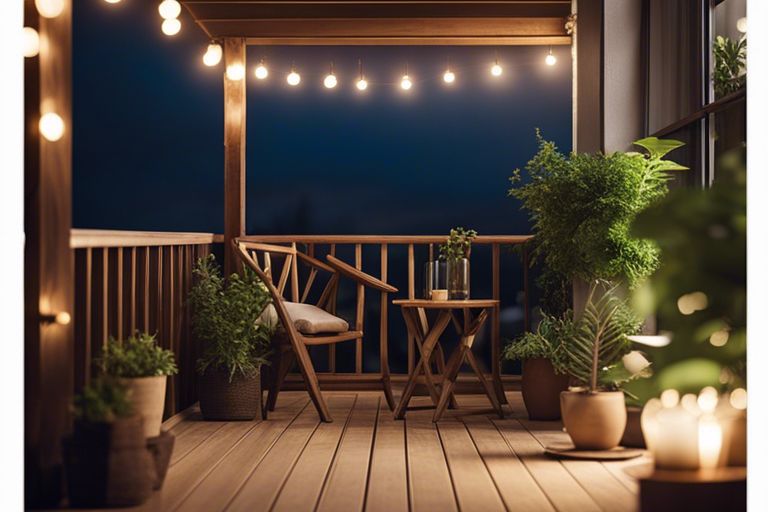
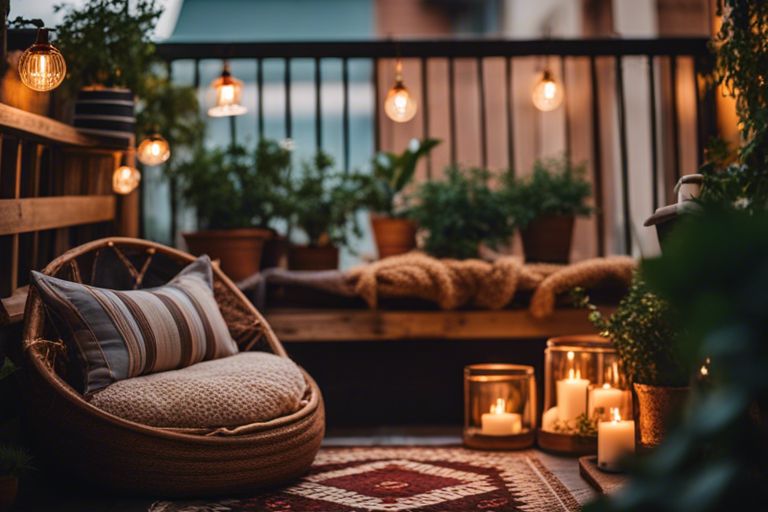
Seating areas offer a place to relax and enjoy the garden. Benches, chairs, or swings near garden beds invite people to spend more time outside. Choose weather-resistant materials and add cushions for comfort. Position seating to face the most colorful or fragrant plants.
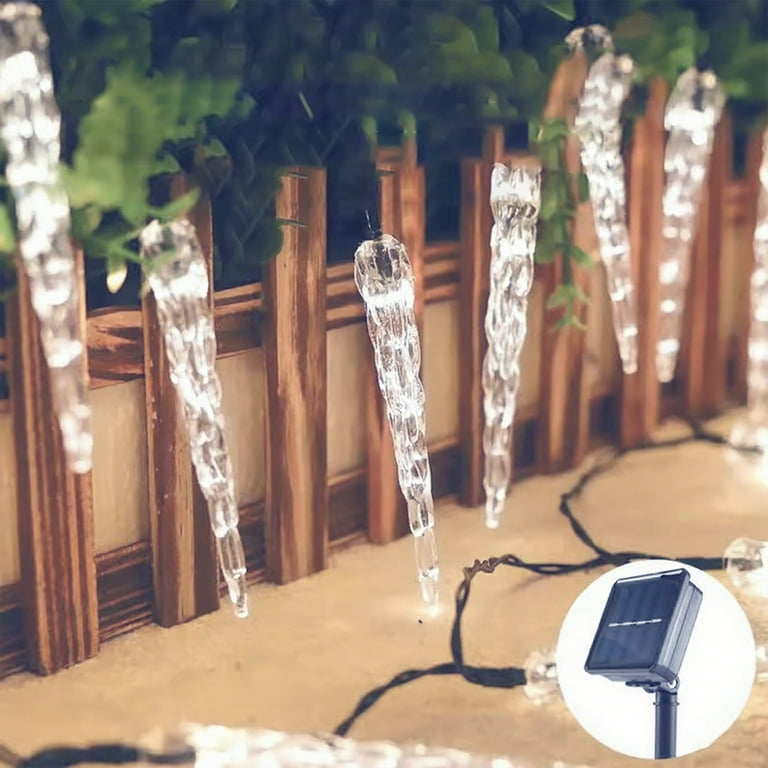
Lighting and pathways improve safety and highlight garden features. Solar lights along paths create soft glows without wiring. String lights or lanterns can add a magical touch in the evenings. Clear, simple pathways made from stones or bricks guide visitors through the garden.
Combining beds with water features creates a peaceful atmosphere. Small fountains, ponds, or birdbaths attract birds and add soothing sounds. Place water features near garden beds with moisture-loving plants to create a natural look. This mix enhances both beauty and tranquility.
Maintenance And Care
Healthy soil is the base for strong plants. Use compost or organic fertilizer to keep soil rich. Test soil pH every year to balance nutrients. Avoid over-fertilizing to prevent root burn.
Water plants deeply but less often. Early morning is best for watering. Use drip irrigation or soaker hoses to save water and reduce leaf diseases. Check soil moisture before watering again.
Remove weeds regularly to stop them from stealing nutrients and water. Use mulch to block weed growth and keep soil moist. Inspect plants for pests and use natural controls like neem oil or insecticidal soap.
Prepare garden beds each season. Remove dead plants and debris. Turn soil to improve air flow and drainage. Add fresh compost and mulch before planting new seeds or seedlings.
Frequently Asked Questions
What Can I Repurpose As A Raised Garden Bed?
You can repurpose wooden pallets, old bricks, cinder blocks, scrap lumber, or metal containers as raised garden beds.
What Should Not Be Planted In A Raised Garden Bed?
Avoid planting deep-rooted trees, invasive plants, or crops needing excessive space in raised garden beds. Potatoes can spread diseases, so skip them. Large shrubs and vines may outgrow the bed and cause damage. Stick to vegetables, herbs, and flowers suited for confined spaces.
What Is The Most Efficient Garden Layout?
The most efficient garden layout uses raised beds for better soil, drainage, and easy access. Arrange plants by sunlight and water needs to maximize growth and space.
What Can I Use Instead Of A Garden Bed?
You can use containers, pots, raised planters, vertical gardens, or grow bags as alternatives to traditional garden beds.
Conclusion
Transforming your outdoor space with garden beds brings beauty and life. Choose ideas that fit your style and space easily. Raised beds and creative designs help plants grow strong and healthy. Enjoy a garden that invites relaxation and joy every day.
Start small, keep it simple, and watch your garden bloom beautifully. Your outdoor space can become a peaceful retreat with just a few changes. Explore these ideas to make your garden vibrant and welcoming.