12 Small Garden Waterfalls Ideas: Stunning Designs to Transform Your Yard
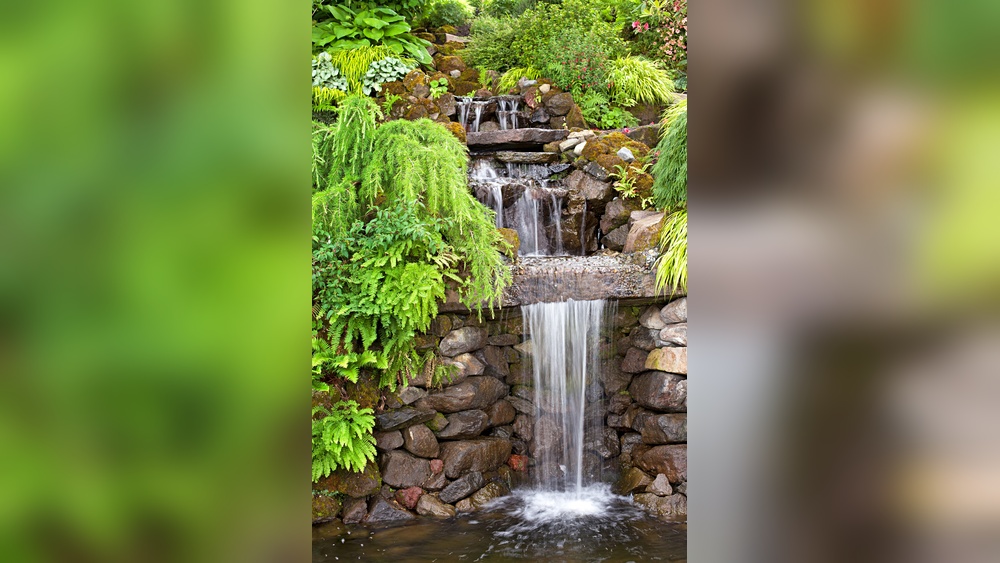
Imagine stepping into your garden and hearing the soothing sound of water gently cascading over rocks. A small waterfall can turn your outdoor space into a peaceful retreat where you can relax, unwind, and enjoy nature right at home.
If you’ve ever thought about adding a touch of tranquility to your garden but worry about space or complexity, you’re in the right place. You’ll discover 12 small garden waterfall ideas that are easy to create, fit any size yard, and bring a calming vibe to your outdoor living area.
Ready to transform your garden into your favorite spot? Let’s dive in!
Credit: www.thepondguy.com
Waterfall Styles For Small Gardens
Cascade designs feature water flowing down a series of small steps. This style creates a gentle, soothing sound and looks natural. It fits well in small gardens that want a peaceful vibe.
Tiered waterfalls have distinct levels where water drops. Each tier adds depth and interest. These waterfalls can be built with rocks or concrete blocks to suit your garden’s style.
Punchbowl features show water falling into a small, round pool. The water spreads out in the pool, creating a calming splash. This style works well in tight spaces and adds a unique touch.
Segmented flows split the water into several separate streams as it falls. This design adds movement and sound variety. It is perfect for gardens that want visual excitement without much space.
Materials To Use
Natural stone like slate, granite, and river rocks create a beautiful look. These stones are durable and blend well with garden plants. They give a natural feel to waterfalls.
Concrete and cement are strong materials that shape the waterfall base. They are easy to mold and hold water well. Cement can be painted to match your garden style.
Recycled materials like old bricks or broken tiles help the environment. They add unique textures and colors. Using eco-friendly materials keeps your garden green and creative.
Waterproof liners stop leaks and keep water flowing smoothly. Pumps move water from the basin to the top. Choose quiet, energy-efficient pumps for a calm garden sound.
Diy Small Waterfall Ideas
Simple rock stack waterfalls create a natural look using stones stacked carefully. Water flows gently over the rocks, making a soothing sound. These waterfalls are easy to build and fit small spaces well. Use flat rocks for better water flow and stability.
Preformed basins offer a quick and tidy base for waterfalls. These basins come in various shapes and sizes, holding water safely. They reduce digging and help keep water contained. Perfect for small gardens with limited space.
Incorporating fountains adds movement and sparkle to waterfalls. Fountains pump water upward before it flows down rocks or basins. This creates a lively effect and can improve water circulation. Choose simple fountain designs to match your garden style.
Solar-powered waterfalls use sunlight to run pumps without electricity. They save energy and work well in sunny spots. Solar pumps are quiet and easy to install. Ideal for eco-friendly garden projects.
Integrating Plants And Water Features
Aquatic plants like water lilies or lotus thrive near waterfalls. They add color and life to the water. These plants help keep water clean by absorbing nutrients. Place them in shallow spots for best growth.
Surrounding shrubs and groundcover create a lush frame around waterfalls. Choose low-maintenance plants like hostas or creeping thyme. These plants soften rocks and hide pipes or pumps.
Moss and ferns add a natural, forest-like feel. They love damp, shady areas near water. Moss grows well on wet rocks, while ferns add texture and depth.
Combine plants carefully to mimic nature. Use varied heights and textures for a balanced, natural look. This makes the waterfall blend smoothly into your garden.
Waterfall Placement Tips
Maximizing small yard space means using corners or narrow areas for waterfalls. These spots make the garden feel larger and more inviting. Place the waterfall near a seating area for a peaceful sound.
Creating focal points draws attention to your waterfall. Position it where it can be seen from the house or patio. Use bright plants or stones to highlight the area.
Enhancing privacy works well with waterfalls. The sound masks noise, and tall plants around the waterfall create a cozy space. This makes your garden feel like a quiet retreat.
Using existing landscape features saves time and money. Build the waterfall near rocks, slopes, or trees. These natural elements blend with the waterfall and look more organic.
Lighting Ideas
Underwater LED lights brighten the water and create a magical glow. They help show off the waterfall even at night. These lights are safe and made to work underwater.
Spotlights on water flow highlight the movement of water. They make the waterfall look lively and beautiful. Place spotlights at different angles for the best effect.
Solar lighting options save energy by using the sun. These lights charge during the day and light up at night. A great choice for small gardens with enough sunlight.
Color-changing effects add fun and style. Lights can shift between soft colors like blue, green, and purple. This gives the waterfall a fresh look every evening.
Maintenance And Care
Pump cleaning is essential to keep water flowing smoothly. Remove debris and check for blockages every few weeks. Rinse the pump parts gently to avoid damage. Regular upkeep extends the pump’s life and keeps the waterfall working well.
Algae control helps maintain clear and clean water. Use natural algae treatments or add plants that absorb excess nutrients. Avoid direct sunlight on water surfaces to reduce algae growth. Cleaning algae regularly keeps your waterfall looking fresh.
Seasonal preparations protect your waterfall from weather changes. In colder months, drain the water and store the pump indoors. Cover the waterfall to prevent damage from ice and debris. Prepare your waterfall for each season to avoid costly repairs.
Water quality management ensures a healthy water environment. Test water pH and adjust it if needed. Use filtered or fresh water to refill. Removing leaves and dirt prevents water contamination and keeps your waterfall attractive.
Budget-friendly Waterfalls
Upcycling materials like old bricks, stones, or broken pots can create unique waterfall bases. These items are usually free or very cheap. Using them saves money and adds a personal touch to your garden waterfall.
Choosing an affordable pump is key. Look for pumps with good reviews but lower prices. Small pumps use less electricity and cost less to run, making them budget-friendly.
| Design Idea | Cost Benefit |
|---|---|
| Simple rock stack waterfall | Low cost, easy to build |
| Container waterfall | Uses recycled containers, very cheap |
| Pre-made fountain kits | Moderate cost, easy setup |
DIY installation saves money but needs time and effort. Professional help costs more but ensures safety and durability. Choose based on your skill level and budget.
Combining Waterfalls With Ponds
Small ponds paired with waterfalls create a calm and natural look in gardens. Choose simple pond designs that fit your space, like round or oval shapes with smooth edges. Use rocks and plants to blend the waterfall and pond together naturally.
A balanced ecosystem means keeping water clean and oxygen-rich. Add a pump and filter to keep water moving and clear. Plants like water lilies help absorb nutrients and provide shade.
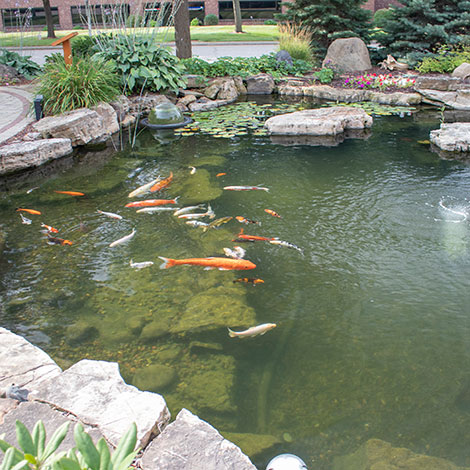
Fish such as goldfish or koi bring life to the pond but need space and clean water. Avoid overcrowding and watch for predators like birds or cats. Safe hiding spots help fish stay protected.
Pondless waterfalls offer a space-saving alternative. Water flows over rocks into a hidden basin underground. This option needs less maintenance and fits small yards well.

Credit: www.aquascapeinc.com
Enhancing Sound And Ambiance
Adjusting the water flow changes the sound of your waterfall. A faster flow creates a louder, rushing sound. Slower flow makes a soft, gentle trickle. Try different speeds to find what you like best.
Adding rocks gives your waterfall a natural texture. Water splashes and flows over rocks, making varied sounds. Use smooth or rough rocks to change the look and feel.
Wind and weather affect how water moves and sounds. On windy days, water may spray more or sound different. Rain can add to the ambiance, making your garden feel alive.
All these elements work together to create a calm and relaxing atmosphere. The sound of water soothes the mind. It brings peace and quiet to your outdoor space.
Innovative Waterfall Designs
Modern minimalist styles focus on clean lines and simple shapes. These waterfalls often use smooth stones and sleek materials like glass or metal. Water flows gently over flat surfaces, creating a calm, peaceful look. Small LED lights add a subtle glow for night use.
Rustic and naturalistic ideas use natural rocks and wood. Water cascades over uneven stones, mimicking nature. Plants like ferns and moss help blend the waterfall into the garden. This style feels warm and inviting, perfect for a cozy outdoor space.
Zen garden waterfalls offer tranquility and balance. Smooth stones and bamboo pipes guide water quietly. Water pools softly in shallow basins. Simple shapes and natural materials help create a meditative atmosphere. These waterfalls fit well in small, calm garden corners.
Artistic and sculptural features turn waterfalls into garden art. Unique shapes, colorful tiles, or metal sculptures shape the water flow. These designs become eye-catching focal points. They add creativity and personality to any garden setting.
:strip_icc()/102289035_F1Wt1mJyqAYBMCl3BxYq2L-9ea58965b417448388a67e253e2105fe.jpg)
Credit: www.bhg.com
Safety And Environmental Tips
Keep children and pets safe by installing barriers around waterfalls. Avoid deep pools that pose drowning risks. Use covers on pumps and electrical parts to prevent accidents. Supervise kids and pets near water features at all times.
Conserve water by recycling it within the waterfall system. Use a pump to recirculate water and reduce waste. Collect rainwater to refill the waterfall instead of using tap water. Check for leaks regularly to save water.
Choose non-toxic materials for all parts of your waterfall. Avoid paints, sealants, or plastics that release harmful chemicals. Use natural stones, safe adhesives, and eco-friendly finishes. This protects your family and the environment.
Support local wildlife by planting native plants around the waterfall. Avoid loud noises or bright lights that scare animals. Provide shallow areas for birds and small creatures to drink safely. Maintain clean water to prevent harm to wildlife.
Frequently Asked Questions
How To Make A Small Waterfall In Your Garden?
Choose a location, dig a basin, install a liner and pump. Stack rocks to create tiers. Connect the pump to recirculate water. Add plants and lighting for decoration.
What Are The 4 Types Of Waterfalls?
The four types of waterfalls are cascade, segmented, tiered, and punchbowl. Each has unique water flow and shape characteristics.
What Is The Minimum Height Of A Waterfall?
The minimum height of a waterfall is typically around one meter (3. 3 feet) to be classified as a waterfall. Smaller drops are often called cascades or rapids. Height requirements may vary by region and classification standards.
What Is A Mini Waterfall Called?
A mini waterfall is often called a cascade. It features water flowing gently over rocks or steps. Cascades create soothing sounds and enhance garden aesthetics.
Conclusion
Small garden waterfalls bring calm and beauty to any outdoor space. They fit well in limited areas without overwhelming your garden. Choose a style that matches your taste and garden size. Simple designs can create a peaceful sound and sight.
Regular care keeps your waterfall looking fresh and running smoothly. Enjoy the relaxing atmosphere these water features provide every day. Start small, and watch your garden transform into a tranquil retreat. Waterfalls add charm and value to your home’s outdoor area.
Try one of these ideas and see the difference water makes.