24 Shed to Tiny House Ideas: Creative Transformations You’ll Love

Thinking about turning that old shed in your backyard into something truly special? Imagine transforming it into a cozy tiny house that fits your lifestyle and sparks joy every time you step inside.
Whether you want a personal retreat, a guest space, or a full-time home, converting a shed can be an affordable and creative solution. But where do you start? What ideas will make your tiny house stand out? You’ll discover 24 inspiring shed-to-tiny-house ideas that will help you unlock the full potential of your space.
Ready to see how your shed can become your dream tiny home? Keep reading—you won’t want to miss these clever tips and designs!
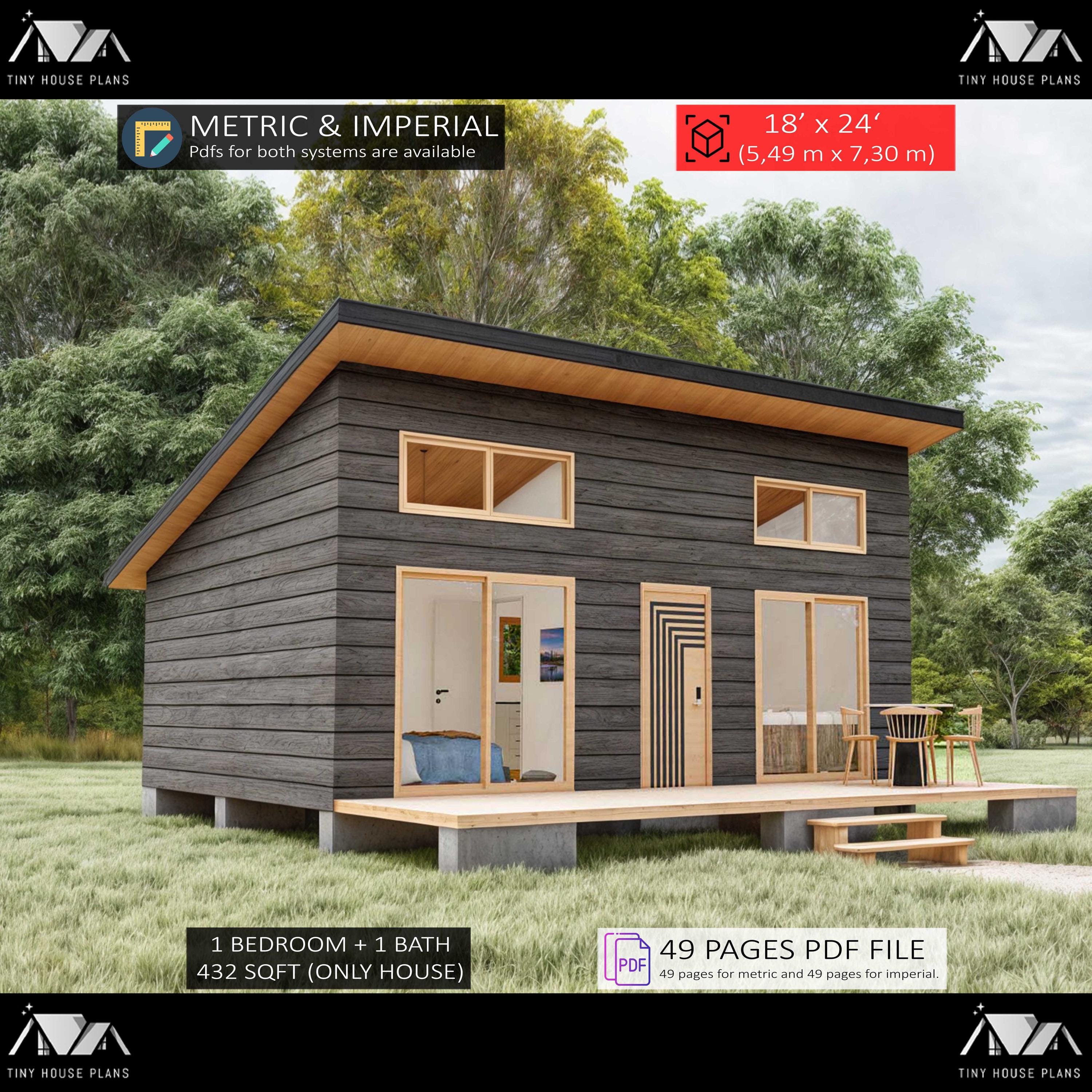
Credit: www.etsy.com
Benefits Of Shed To Tiny House Conversion
Converting a shed to a tiny house saves a lot of money compared to traditional homes. Building from scratch costs more for materials and labor. A shed conversion uses existing structures, cutting down expenses. It makes home ownership more affordable for many people.
Choosing a shed tiny house helps the environment. Smaller spaces use less energy for heating and cooling. Less building waste is created since the shed is reused. Solar panels and rainwater collection fit well with tiny homes, making living more eco-friendly.
Small space design means every inch counts. Clever storage solutions and multi-purpose furniture help use space wisely. Open layouts and natural light make the area feel bigger. Maximizing space keeps the tiny house comfortable and practical.
Legal Considerations And Permits
Local zoning laws often dictate where tiny houses can be placed. These rules vary by city and county. Check with your local planning office before starting your project. Building codes ensure safety and require certain standards for tiny houses.
Permits are usually required before building or converting a shed. Applying early helps avoid fines or delays. You may need permits for electrical, plumbing, or structural changes.
| Common Restrictions | How to Navigate |
|---|---|
| Minimum size requirements | Request a variance or look for exceptions |
| Setback distances from property lines | Measure carefully and adjust placement |
| Utility hookups and inspections | Hire licensed professionals |
| Use restrictions (e.g., no permanent residence) | Consult local officials for options |
Planning Your Tiny Shed Home
Choosing the right shed size is key for comfort and space. A shed too small feels cramped, too large wastes money. Think about what you need daily. Sleeping area, kitchen, and workspace should fit well.
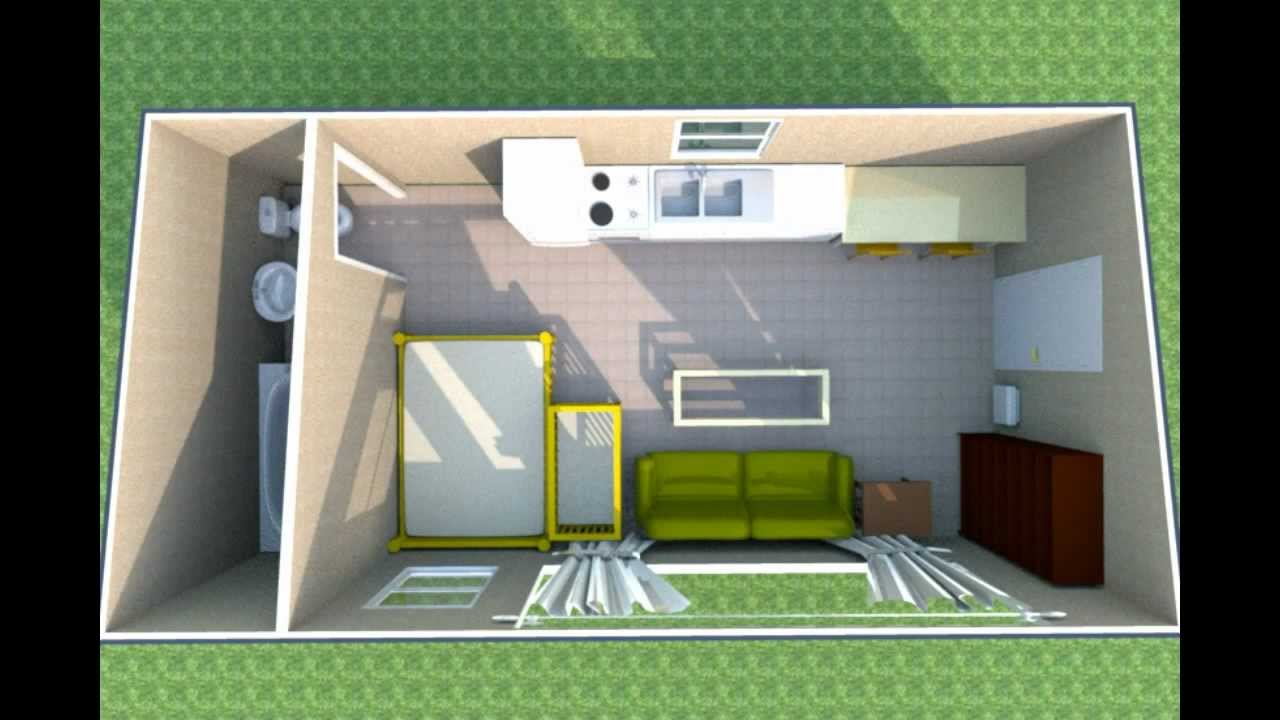
Designing functional layouts helps use every inch smartly. Plan zones for sleeping, cooking, and relaxing. Keep pathways clear. Use vertical space for storage to keep the floor open and tidy.
Incorporating multi-purpose furniture saves room and adds value. Beds with storage underneath, foldable tables, and chairs that stack are great choices. These pieces make your tiny house feel bigger and more organized.
Structural Modifications
Insulation and weatherproofing are key to making your tiny house cozy. Use thick insulation in walls and roof to keep heat in during winter and block heat in summer. Seal all gaps to stop drafts and moisture. Weatherproof materials protect your home from rain and wind.
Upgrading doors and windows improves energy efficiency and security. Choose double-pane or insulated windows to reduce heat loss. Strong, well-fitted doors keep cold air out and add safety. Consider adding storm doors for extra protection.
| Foundation Type | Reinforcement Method | Benefits |
|---|---|---|
| Concrete Slab | Add rebar and thicker slab | Stronger base, resists settling |
| Concrete Blocks | Use mortar and tie beams | Improved stability and durability |
| Wood Piers | Replace rotten wood, add anchors | Better support, prevents shifting |
Interior Design Ideas
Maximizing natural light makes a tiny house feel bigger and brighter. Use large windows or skylights to bring in sunlight. Light-colored walls and reflective surfaces help spread light inside. Avoid heavy curtains to keep rooms open and airy.
Creative storage solutions save space and keep things tidy. Use built-in shelves, under-bed drawers, and wall hooks. Furniture with hidden compartments adds extra room for belongings. Think vertical to use every inch efficiently.
Cozy and stylish decor creates a warm, inviting space. Choose soft cushions, warm rugs, and layered lighting. Mix textures like wood and fabric to add depth. Keep colors light with a few bright accents for personality.
Essential Utilities Setup
Electrical wiring must be safe and meet local codes. Use outdoor-rated cables for sheds. Plan enough outlets for appliances and lighting. LED lights save energy and last longer. Install switches at easy-to-reach spots.
For plumbing, consider water supply and waste disposal. Use frost-proof faucets if climate is cold. Install a small water heater for hot water. Use compact sinks and toilets to save space. Plan pipes carefully to avoid leaks.
Heating options include electric heaters, propane, or wood stoves. Choose ventilated units for safety. For cooling, use fans or portable AC units. Insulate walls and roof to keep temperature steady. Proper ventilation helps prevent moisture and mold.
Outdoor Enhancements
Modern minimalist designs use clean lines and simple shapes to create peaceful tiny homes. White walls and natural light make spaces feel larger and calm. Furniture with hidden storage helps keep clutter away. Many use foldable tables and chairs to save space.
Rustic and cozy styles bring warmth with wood walls and soft textiles. Small fireplaces or stoves add charm and comfort. Natural colors like browns and greens connect the space to nature. Handmade decorations give a personal touch.
Innovative space-saving ideas include loft beds, sliding doors, and multi-use furniture. Vertical storage uses walls for shelves and hooks. Compact kitchens fit tiny appliances, making cooking easy. Outdoor decks extend living space without building inside.
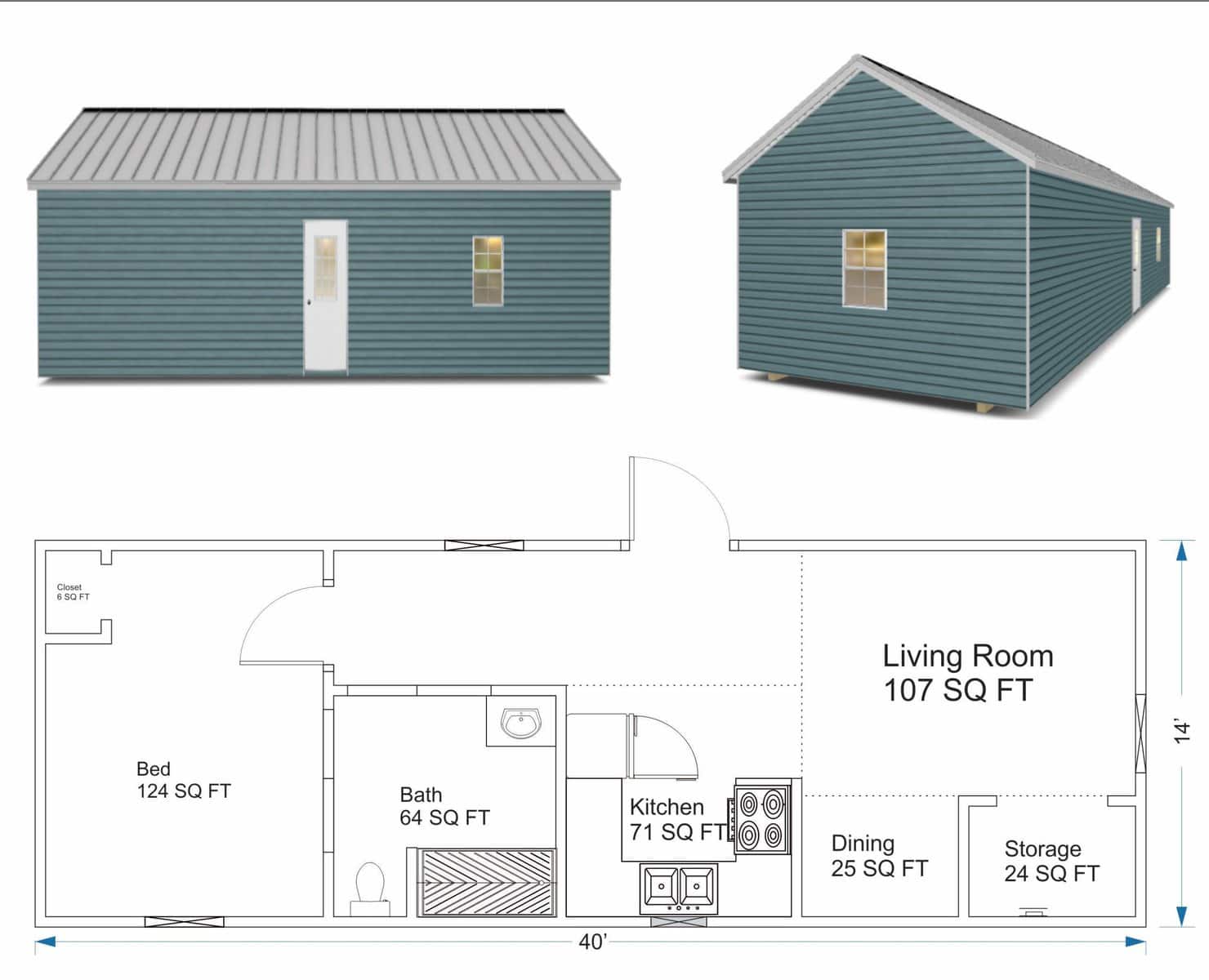
Credit: robinsheds.com
Inspiring Shed To Tiny House Transformations
Material costs can vary greatly. Choose affordable, durable materials like reclaimed wood or metal to save money. Avoid expensive finishes early on and upgrade later.
DIY projects cut labor costs but need time and skill. Professional help ensures safety and speed but costs more. Balance your budget by doing simple tasks yourself and hiring experts for complex work.
| Expense Type | Notes | Tips to Save |
|---|---|---|
| Materials | Main building supplies like wood, insulation, and roofing | Use recycled or discounted materials |
| Labor | Costs for professionals or helpers | Do simple tasks yourself |
| Permits & Fees | Local building permits and inspections | Check local rules early |
| Unexpected Costs | Hidden expenses like repairs or upgrades | Set aside a 10-15% contingency fund |
Credit: www.youtube.com
Frequently Asked Questions
Is It Legal To Turn A Shed Into A Tiny House?
Turning a shed into a tiny house is legal only if it meets local zoning laws and building codes. Always check city or county regulations first.
How Much Does It Cost To Turn A Shed Into A Tiny Home?
Turning a shed into a tiny home typically costs between $10,000 and $30,000. Costs vary by size, materials, and labor.
Is 12×24 Big Enough For A Tiny Home?
A 12×24 space can be big enough for a tiny home, offering 288 square feet. Efficient design maximizes comfort and functionality.
How To Convert A Shed Into A Tiny Home?
Convert a shed into a tiny home by reinforcing structure, adding insulation, plumbing, electrical wiring, and interior finishes. Obtain permits and follow local codes.
Conclusion
Transforming a shed into a tiny house brings many exciting possibilities. These 24 ideas can inspire your own cozy and practical space. Simple designs make the most of small areas. Focus on comfort, storage, and style to create a home you love.
Remember to check local rules before starting your project. With creativity and planning, a shed can become a perfect tiny house. Start small and dream big. Your new tiny home awaits!