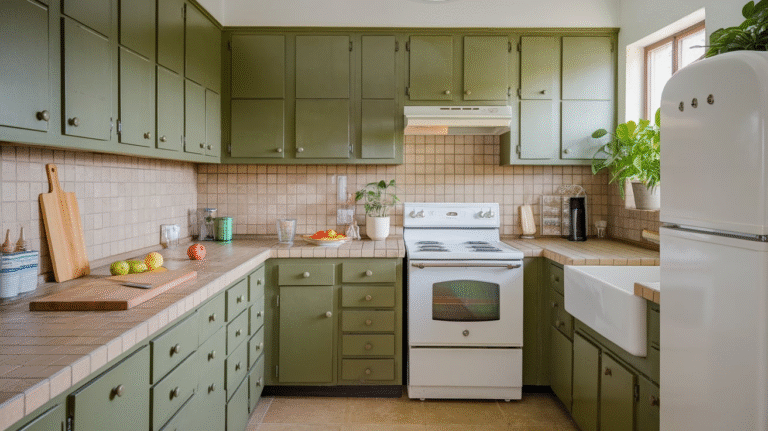
23 Kitchen Plants Ideas: Transform Your Indoor Space With Edible Greenery Delight

Imagine stepping into your kitchen and being greeted by fresh, vibrant greenery that not only brightens your space but also feeds your body and soul. Adding edible plants to your kitchen isn’t just about decoration—it’s about creating a lively, healthy environment where you can grow your own herbs, veggies, and even fruits right at your fingertips.
Whether you have a sprawling kitchen or a cozy nook, these 23 kitchen plant ideas will inspire you to transform your indoor space with easy-to-grow, tasty greenery. Ready to boost your mood, reduce stress, and enhance your cooking with nature’s freshest ingredients?
Let’s dive in and discover how you can bring the garden indoors, one plant at a time.
:strip_icc()/Ivy-covered-pool-house-101111415-20RM4tAc4cW8KL3jQqgAAe-f3bc7dbf54a64a84aee5dce8ca0fa029.jpeg)
Credit: www.bhg.com
Benefits Of Kitchen Plants
Kitchen plants help create a calm and happy space. They can reduce stress by lowering cortisol, the stress hormone. Being near plants helps people feel relaxed and peaceful.
Plants also clean the air. They remove toxins and add fresh oxygen. This makes the kitchen air healthier to breathe every day.
Many kitchen plants are edible. They give fresh flavors to your cooking. Herbs like basil, mint, and rosemary add taste and aroma. Having them close makes meals more delicious and fun to prepare.
Choosing Edible Kitchen Plants
Easy-to-grow herbs like basil, mint, and parsley fit well in small pots. They need moderate sunlight and daily watering. These herbs add fresh flavor to meals and help reduce grocery trips.
Leafy greens such as spinach, lettuce, and arugula thrive indoors. They grow quickly and need cooler temperatures. Leafy plants offer a constant supply of fresh salad ingredients.
Fruits and small vegetables like cherry tomatoes, peppers, and strawberries can also grow inside. They require bright light and regular care. These plants brighten the kitchen and provide tasty snacks.
Space-saving Plant Ideas
Vertical gardens and wall planters save floor space and add greenery to your kitchen walls. They are perfect for growing herbs like basil, mint, and parsley. These planters keep plants within easy reach while freeing up counter space.
Hanging planters bring life to empty corners or above windows. They create a fresh look without taking up valuable surface area. Use them to grow trailing plants or small vegetables like cherry tomatoes.
Compact pots fit well on windowsills or narrow shelves. They work great for small kitchens and can hold edible plants such as chives, thyme, or small peppers. Choose pots that match your kitchen style for a neat appearance.
Low-maintenance Kitchen Plants
Drought-tolerant plants save water and require less care. Succulents like aloe vera and jade plants do well in kitchens. They store water in thick leaves and survive dry spells. These plants also add a fresh look without much fuss.
Plants that thrive in low light are perfect for kitchens with small windows. Snake plants, pothos, and spider plants grow well in shade. They clean the air and stay green with little sunlight. These plants are forgiving and easy to keep alive.
Self-watering planters help by giving plants water slowly. They reduce the need to water daily. These planters work great with herbs like basil, mint, and thyme. They keep soil moist and stop plants from drying out or drowning.
Decor Tips For Stylish Greenery
Use colorful pots to brighten your kitchen space. Bright colors like terracotta, turquoise, or mustard add a cheerful touch. Choose pots with natural materials such as clay or woven baskets for a boho vibe.
Combine different textures like smooth leaves, fuzzy herbs, and trailing vines. This mix creates a natural and relaxed look. Use plants like succulents, herbs, and ferns to add variety.
Place plants of varying heights together. Taller plants can sit behind smaller ones. This layering adds depth and interest. Grouping different types makes your kitchen feel more alive and inviting.

Credit: www.theenglishhome.co.uk
Safe Plants For Families And Pets
Choose non-toxic plants to keep your family and pets safe. Some popular safe options include spider plants, parlour palms, coleus, and begonias. These plants are easy to care for and add beauty to your kitchen.
For dementia care, select plants that are simple to maintain and visually calming. Herbs like basil and mint offer sensory benefits and can be used in cooking. Plants with soft leaves and bright colors can also help with memory and mood.
Child-friendly plants must be non-toxic and durable. Succulents, like hens and chicks, are great choices. They need little water and are safe if touched or accidentally eaten. Avoid sharp or spiky plants to prevent injuries.
Caring For Kitchen Plants
Watering is key to healthy kitchen plants. Most need water once a week. Check soil moisture by touching it. Avoid overwatering to prevent root rot. Some herbs like basil prefer slightly moist soil, while succulents need less water.
Place plants where they get bright, indirect light. South-facing windows work well. Avoid harsh direct sunlight that can burn leaves. Rotate plants weekly to ensure even growth on all sides.
Feed plants with a balanced fertilizer every 4-6 weeks during growing season. Use diluted liquid fertilizer for best results. Regular pruning helps keep plants bushy and productive. Pinch off dead or yellow leaves and trim herbs to encourage new growth.
Creative Uses For Kitchen Plants
Fresh herbs like basil, parsley, and thyme bring vibrant flavors to your dishes. Keep them in small pots on the windowsill for easy access. They add both color and aroma to your kitchen space.
Edible flowers such as nasturtiums, pansies, and violets make meals look beautiful. Use them to garnish salads, desserts, or drinks. Their bright colors and mild tastes create a special touch.
DIY plant-based kitchen gifts are simple and thoughtful. Try making small herb pots or flower jars for friends and family. These gifts offer freshness and a personal touch that lasts longer than store-bought items.
Seasonal Planting Ideas
Spring and summer are great for plants like basil, parsley, and mint. These herbs love warm light and help brighten meals. Tomatoes and peppers also thrive indoors with enough sun. Keep soil moist but not soggy to avoid root problems.
For fall and winter, choose plants that need less light and cooler temps. Kale, spinach, and chives grow well in these months. They add fresh greens to your kitchen all year. Use grow lights if natural light is limited.
Year-round tips:
- Place plants near south-facing windows for best sunlight.
- Water regularly but avoid overwatering to prevent mold.
- Use pots with drainage holes to keep roots healthy.
- Rotate plants weekly for even growth on all sides.
- Trim dead leaves to encourage new growth.
Troubleshooting Common Issues
Pests like aphids or spider mites can harm your kitchen plants. Use a gentle spray of water to wash them off. Sticky traps also catch flying insects. Avoid strong chemicals that can hurt edible plants.
Mold and mildew often appear in damp places. Improve air flow around plants by spacing them apart. Water only when soil feels dry to avoid excess moisture. Remove any moldy leaves quickly.
Wilting plants need immediate care. Check soil moisture first; dry soil means water is needed. Overwatering can cause root rot, so let soil dry if too wet. Trim dead or yellow leaves to help plants recover.

Credit: www.hello-hayley.com
Frequently Asked Questions
Do Plants Lower Cortisol?
Yes, plants can lower cortisol by reducing stress and promoting relaxation. Being around greenery helps decrease cortisol levels naturally.
What Plant Removes 78% Of Airborne Mold?
English Ivy removes up to 78% of airborne mold. It effectively purifies indoor air and reduces mold spores.
What Plants Are Safe For Dementia Patients?
Safe plants for dementia patients include spider plants, parlour palms, coleus, begonias, and herbs. These are non-toxic, low maintenance, and visually engaging. They help create a calming environment and reduce stress without posing health risks. Choose plants that are easy to care for and safe to touch.
What Indoor Plants Are Good For Eczema?
Snake plant, spider plant, purple waffle, and purple heart improve indoor air and humidity, easing eczema symptoms effectively.
Conclusion
Adding edible plants to your kitchen brings freshness and life indoors. Herbs and greens offer easy access to flavors while brightening your space. They create a calm, natural vibe that many enjoy daily. Small pots fit well on windowsills or shelves, perfect for any kitchen size.
Start simple and watch your indoor garden grow with care. Greenery in the kitchen not only looks good but also feels good. Try these ideas to make your cooking area more inviting and healthy.