17 Innovative DIY Reptile Enclosure Ideas: Creative & Easy Designs
If you’re a reptile lover, you know how important a good enclosure is for your scaly friend’s health and happiness. But buying one can get expensive, and sometimes the ready-made options just don’t fit your style or your pet’s unique needs.
What if you could create something amazing yourself? Imagine a space that’s not only safe and comfortable but also eye-catching and full of personality. You’ll discover 17 innovative DIY reptile enclosure ideas that are easy to build, budget-friendly, and totally customizable.
Whether you’re new to reptile care or looking to upgrade your current setup, these ideas will inspire you to turn your vision into reality—and make your reptile’s home a true masterpiece. Keep reading, and let’s bring your pet’s dream habitat to life!
Credit: www.walmart.com
Materials For Diy Enclosures
Choosing safe materials is key for a DIY reptile enclosure. Avoid toxic paints or glues that harm reptiles. Use non-toxic, water-resistant products for best results.
PVC and wood are popular choices. PVC is lightweight, durable, and easy to clean. Wood adds a natural look but needs to be sealed well to resist moisture and pests.
Glass and acrylic offer clear views and keep heat inside. Glass is strong but heavier. Acrylic is lighter and less likely to break but can scratch easily. Both need proper ventilation to keep reptiles healthy.
Basic Enclosure Designs
A Simple Box Enclosure is easy to build and clean. Use wood or plastic boxes with a secure lid. Drill air holes for ventilation. Line the bottom with paper towels or reptile carpet for comfort and hygiene.
Stackable Rack Systems save space by stacking multiple enclosures. Perfect for keeping several reptiles safely in one place. Each unit has its own heat source and ventilation. They help maintain temperature and humidity easily.
Open Air Terrariums provide plenty of fresh air and natural light. Use glass or acrylic tanks with mesh tops. Ideal for reptiles that need high airflow. Add plants, branches, and hiding spots to create a natural habitat.
Naturalistic Themes
Rainforest style enclosures mimic lush, wet forests. Use live plants, moss, and wood branches. Add a small water feature for humidity. Bright green leaves and natural bark create a cozy space. This setup suits reptiles that like moisture and shade.
Desert inspired setups focus on dry, sandy landscapes. Use sand, rocks, and cactus plants. Provide hiding spots with stone caves or driftwood. Keep the temperature warm and the air dry. This theme fits reptiles that live in hot deserts.
Tropical environments blend colorful plants with warm, humid air. Use broad-leaf plants and vines. Add water bowls and climbing areas. Keep light and heat balanced for comfort. This design helps reptiles from tropical forests feel at home.
Creative Structural Ideas
Multi-level enclosures give reptiles extra space to explore. Platforms at different heights create interesting climbing and resting spots. These levels increase usable area without taking more floor space.
Arboreal climbing spaces mimic natural habitats for tree-dwelling reptiles. Branches, vines, and textured surfaces encourage climbing and exercise. These features help reptiles feel safe and active.
Modular and expandable designs allow easy customization and growth. Sections can be added or removed to fit changing needs. This flexibility saves money and adapts to the reptile’s size and behavior.
Incorporating Lighting And Heating
LED lighting offers cool, bright light that saves energy. It helps mimic natural day and night cycles for reptiles. These lights last a long time and produce little heat, making them safe for enclosures.
Custom heat rock installations provide a warm spot for reptiles to bask. These can be shaped and sized to fit any enclosure. They keep reptiles comfortable and promote healthy behavior.
Solar and energy-efficient options reduce electricity use. Solar-powered lights and heaters can keep habitats warm during the day. Using timers and thermostats ensures the right temperature without wasting energy.
Credit: www.homedepot.com
Substrate And Furnishing Tips
Safe substrates keep reptiles healthy and happy. Use coconut fiber, reptile carpet, or paper towels for easy cleaning. Avoid sand or gravel for some species; these can cause health issues.
DIY hides can be made from natural wood, cork bark, or plastic containers. Make sure they are sturdy and offer a cozy space for reptiles to feel safe.
Decor like fake plants or branches create a natural look. Use non-toxic items and secure them well to avoid accidents.
Water features help control humidity. Small water bowls or gentle misters work well. Keep humidity levels right for your reptile’s species to avoid stress or illness.
Cost-effective Build Ideas
Using recycled materials is a smart way to save money. Old glass containers, wooden crates, or plastic bins can become great reptile homes. They are cheap, eco-friendly, and easy to find.
For tools and supplies, simple items like a utility knife, glue, and sandpaper work well. These are affordable and easy to use for beginners.
Cheap builds often follow clear steps. Start by choosing a sturdy base. Then add walls using glass or wood. Seal all edges to keep your pet safe. Ventilation holes are important to provide fresh air. Finish with natural decorations like branches or rocks.
| Step | Action | Materials Needed |
|---|---|---|
| 1 | Choose a base | Wooden crate or plastic bin |
| 2 | Build walls | Glass panels or plywood |
| 3 | Seal edges | Non-toxic silicone sealant |
| 4 | Make ventilation | Drill and mesh screen |
| 5 | Add decorations | Branches, rocks, fake plants |

Credit: www.amazon.com
Maintenance And Accessibility
Designs with easy cleaning help keep your reptile healthy. Removable trays and smooth surfaces speed up cleaning. Avoid hard-to-reach corners where dirt can hide.
Access panels and doors should be placed where you can reach all parts quickly. Sliding or hinged doors work well for quick feeding and maintenance. Make sure they fit tightly to prevent escapes.
| Ventilation Type | Benefit | Example |
|---|---|---|
| Screen Panels | Good airflow, prevents overheating | Mesh sides or top |
| Adjustable Vents | Control humidity and temperature | Sliding or rotating vents |
| Fan Systems | Improves air circulation in closed enclosures | Small, quiet fans |
Species-specific Enclosure Ideas
Snake enclosures should focus on secure lids and proper ventilation. Use materials like glass or plastic for easy cleaning. Provide hiding spots and climbing branches to mimic natural habitats. Heating elements and humidity control are essential for snake health.
Lizard habitats need varied terrain with rocks, branches, and plants. Use substrates like sand or coconut fiber depending on species. UVB lighting is vital for lizard bone health. Include basking spots with heat lamps and cool shaded areas.
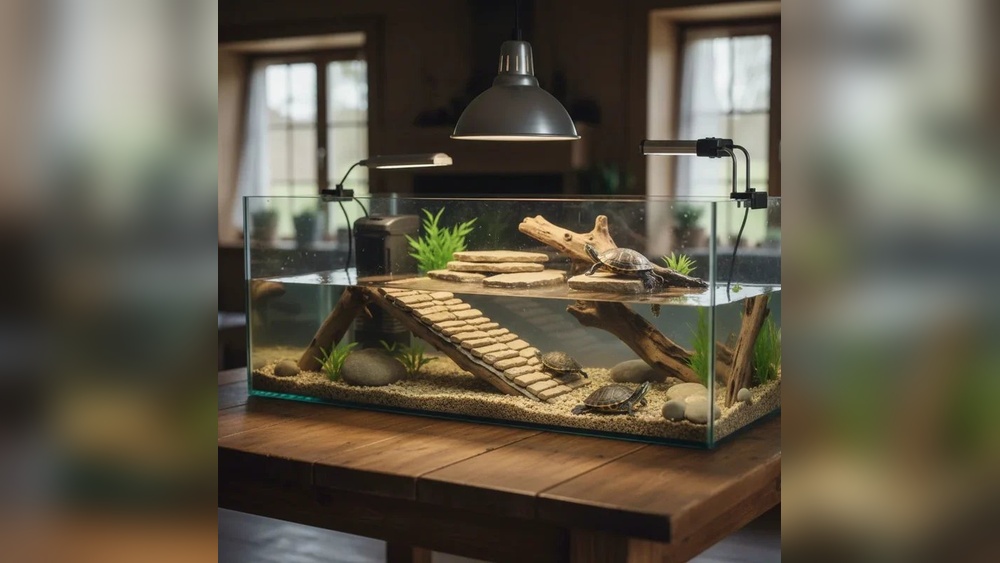
Turtle and tortoise setups require water areas for swimming and dry land for basking. Use shallow water for turtles and deep enough for swimming. Add UVB lights and heat lamps to regulate temperature. Ensure enclosure is escape-proof with sturdy walls.
Unique Diy Projects
Aquatic and semi-aquatic tanks need special care. Use glass or acrylic tanks with waterproof seals. Include a water filtration system to keep water clean. Add rocks, plants, and hiding spots for a natural feel. Ensure the water depth matches the reptile’s needs. Use a heat lamp to create a warm basking area. Choose non-toxic decorations and avoid sharp edges.
Outdoor enclosures require weatherproof materials like wood treated for outdoor use or metal mesh. Provide shade and shelter to protect reptiles from sun and rain. Use secure locks to prevent escapes. Make the space safe from predators such as birds or cats. Add natural elements like soil, plants, and logs to mimic nature.
Interactive and smart enclosures can include automated lighting, humidity control, and temperature sensors. Use timers and smart plugs to control heating and lighting cycles. Some setups allow remote monitoring via smartphone apps. These features help maintain a stable environment and reduce daily maintenance.
Frequently Asked Questions
Is It Cheaper To Build Your Own Reptile Enclosure?
Building your own reptile enclosure often costs less than buying pre-made ones. You save on materials and customize to fit your budget.
What Can Live In An 8x8x12 Terrarium?
An 8x8x12 terrarium suits small reptiles like geckos, anoles, or small snakes. It also fits tropical frogs and insects. Provide proper heating, lighting, and humidity to ensure their health and comfort. Avoid overcrowding for a healthy environment.
What Not To Put In A Snake Enclosure?
Avoid toxic items like kitty litter, cedar chips, and treated wood in snake enclosures. Do not use loose substrates that can cause impaction, such as sand or gravel. Avoid overcrowding with decorations or hiding spots that restrict movement. Keep electrical cords and sharp objects out of reach.
What Is The Best Material To Make A Reptile Enclosure?
The best material for reptile enclosures is PVC or glass. PVC is durable, lightweight, and easy to clean. Glass offers excellent visibility and humidity control. Choose based on your reptile’s needs and habitat requirements.
Conclusion
These 17 DIY reptile enclosure ideas offer plenty of options. You can create a safe, fun home for your pet. Simple materials and creativity make building easy. Each idea helps keep reptiles comfortable and healthy. Enjoy crafting an enclosure that fits your style.
Remember, a good habitat supports your reptile’s well-being. Try these ideas and see what works best. Your reptile will love the space you build!