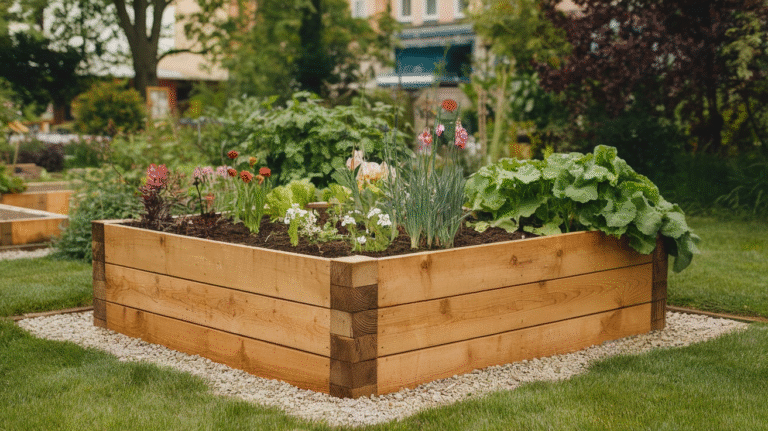
17 Front Of House Landscape Ideas: Stunning Designs to Transform Your Curb Appeal

Your front yard is the first thing people notice about your home. It sets the tone and creates a lasting impression.
But coming up with fresh, practical ideas to transform that space can feel overwhelming. What if you could discover simple yet stunning front of house landscape ideas that fit your style and budget? You’ll find 17 inspiring ideas that will boost your curb appeal and make your home truly stand out.
Whether you want low-maintenance greenery, eye-catching pathways, or creative ways to add texture and color, these tips will help you design a front yard you’ll love coming home to. Keep reading to unlock the secret to a welcoming, beautiful outdoor space that reflects your personality perfectly.
Credit: southernstatelandscape.com
Classic Foundation Plantings
Evergreens provide year-round greenery and structure to your garden. They keep your front yard looking fresh in winter and summer. Popular choices include boxwood, holly, and juniper. These plants form a neat, classic base around your house foundation.
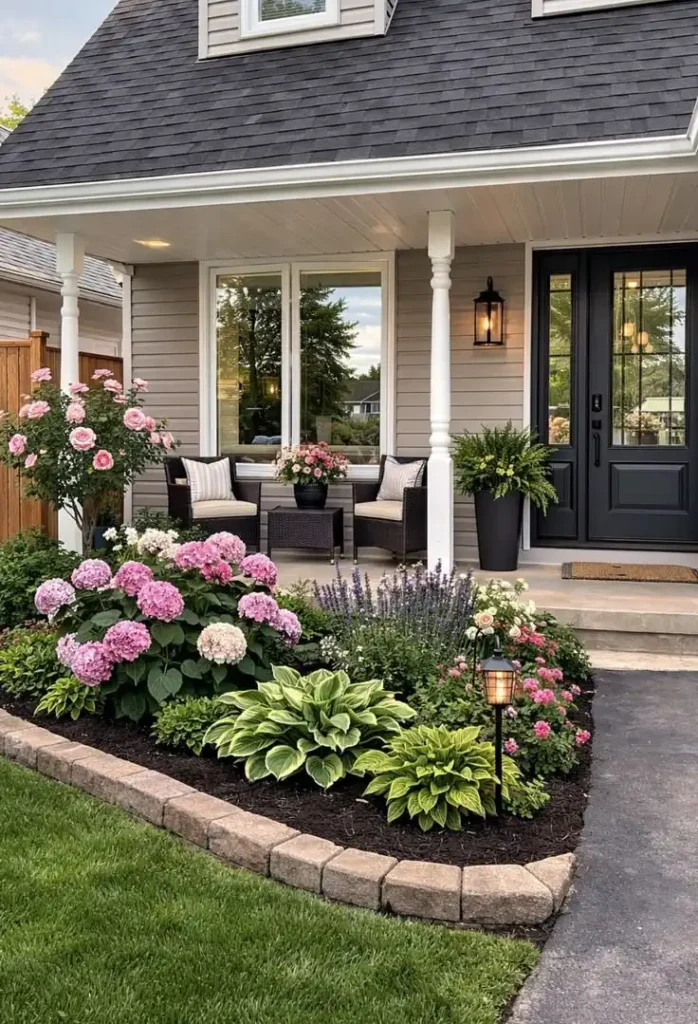
Flowering shrubs add seasonal color and charm. Azaleas, hydrangeas, and rhododendrons bloom beautifully in spring and summer. They create a welcoming, lively atmosphere. Mix evergreens and flowering shrubs for balance.
| Plant Type | Benefits | Examples |
|---|---|---|
| Evergreens | Year-round color, structure | Boxwood, Holly, Juniper |
| Flowering Shrubs | Seasonal blooms, vibrant color | Azalea, Hydrangea, Rhododendron |
Modern Minimalist Designs
Faux grass is a perfect choice for a modern minimalist front yard. It stays green all year and needs almost no watering or mowing. This saves time and money on lawn care.
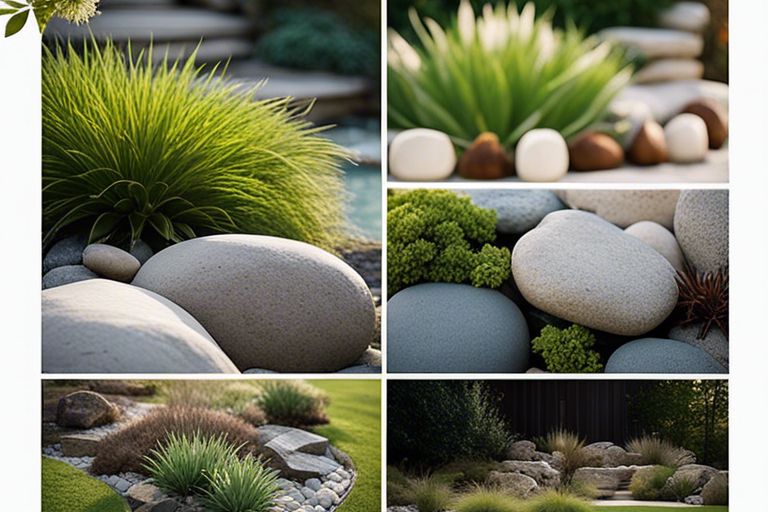
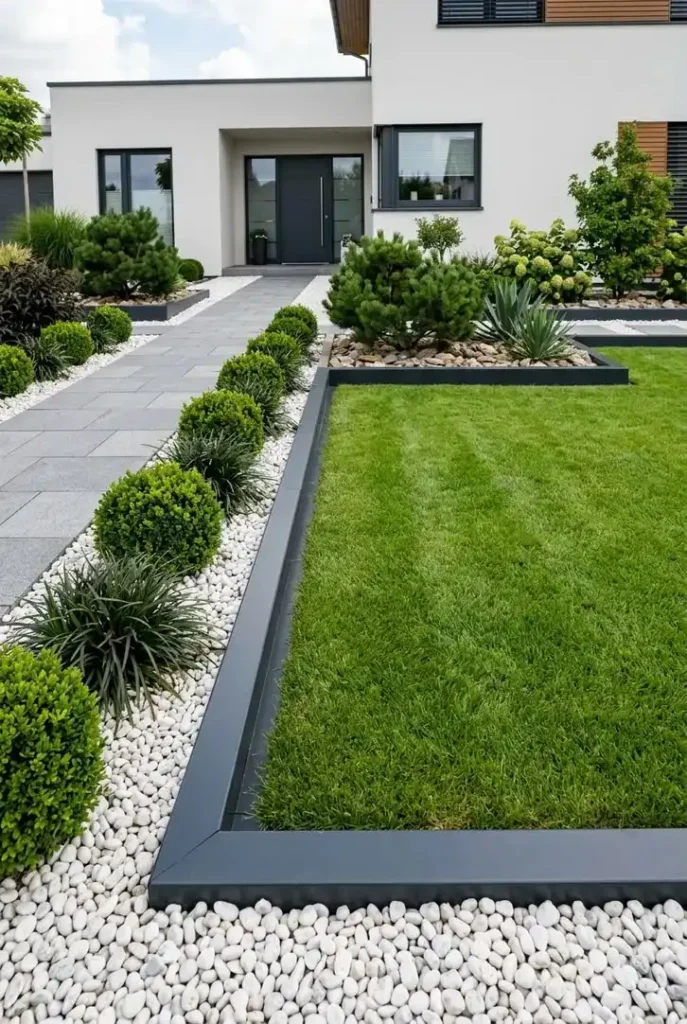
Using gravel and stone adds texture and contrast. Stones create clean lines and help with drainage. Choose neutral colors like gray, white, or beige for a sleek look.
Combine gravel with stepping stones for a neat path. It keeps the design simple yet stylish. You can add small plants or succulents in between stones for some life.
This style works well for people who want a low-maintenance, tidy garden. It looks fresh and organized without much effort.
Pathways And Hardscaping
Stone paths give a natural look to front yards. Use flat stones set in gravel or sand for easy walking. Arrange stones in a curved or straight line to guide visitors.
Decorative rocks add texture and contrast. Place large rocks near plants or along walkways. Small pebbles can fill empty spaces and keep soil moist.
Choose stones with colors that match your home exterior. Mix different sizes for a balanced design. Seal stones to protect them from weather damage.
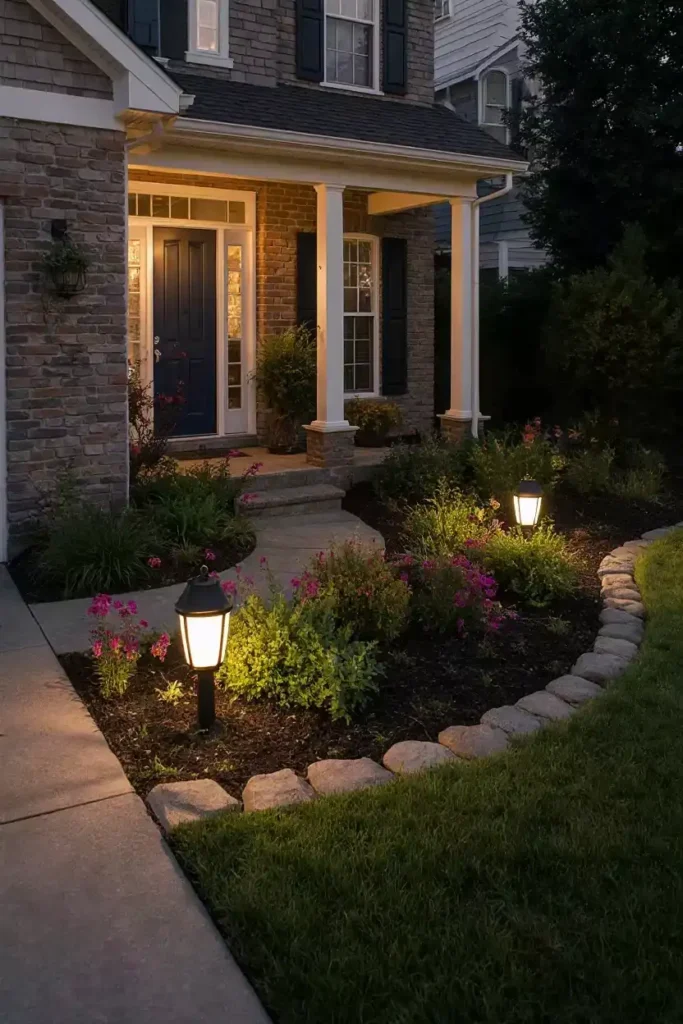
Consider lighting along stone paths for safety and style. Solar lights are easy to install and eco-friendly.
Credit: aridsage.com.au
Layered Shrub Arrangements
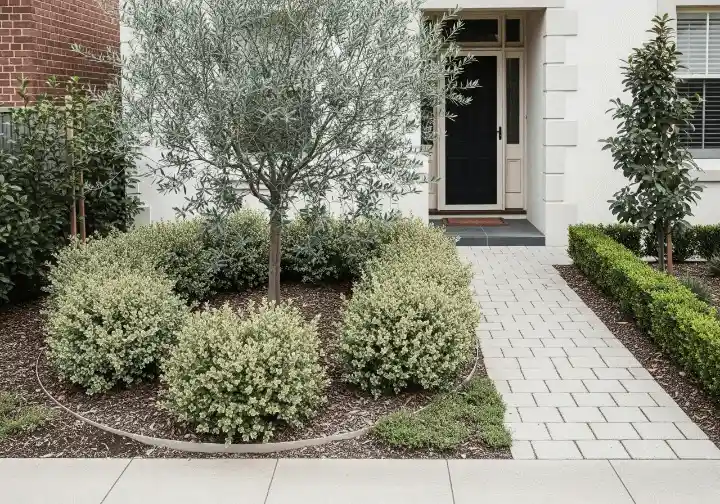
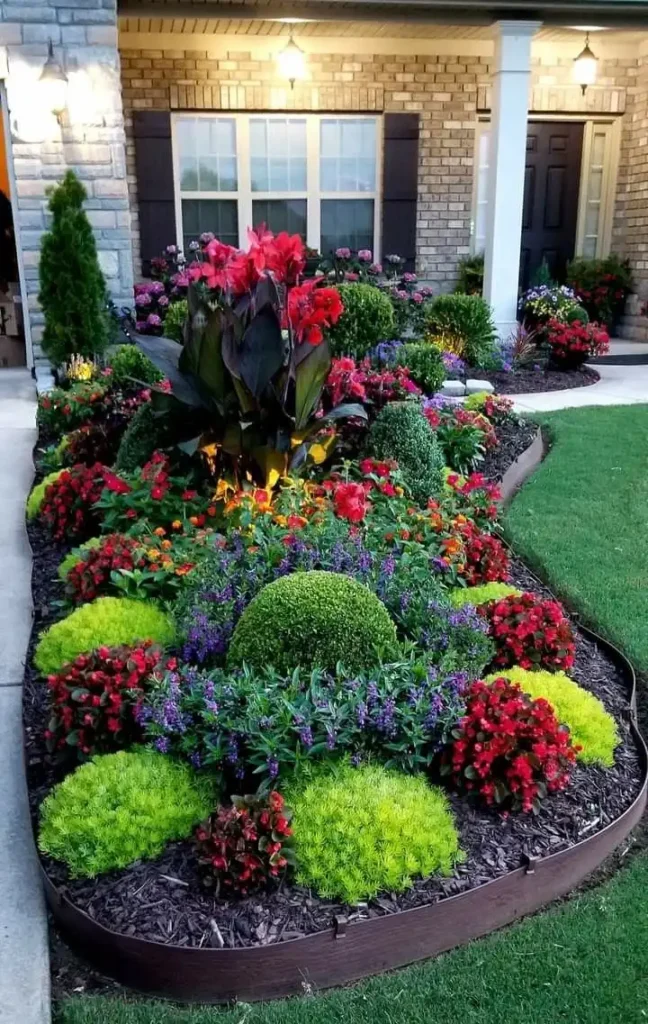
Layered shrub arrangements create depth and interest in front yard landscapes. Start by balancing different heights of shrubs. Place taller evergreen shrubs at the back. Medium-height deciduous shrubs go in the middle. Low-growing plants fit well in front. This layering gives a neat, natural look.
Combining evergreen and deciduous plants adds texture and color changes throughout the year. Evergreens keep your garden green in winter. Deciduous shrubs bring fresh colors in spring and fall. Mixing these types also helps attract birds and butterflies.
| Plant Type | Height | Seasonal Interest |
|---|---|---|
| Evergreen Shrubs | Tall | Year-round greenery |
| Deciduous Shrubs | Medium | Spring flowers, fall colors |
| Low-growing Shrubs | Short | Ground cover, texture |
Succulents And Cacti Displays
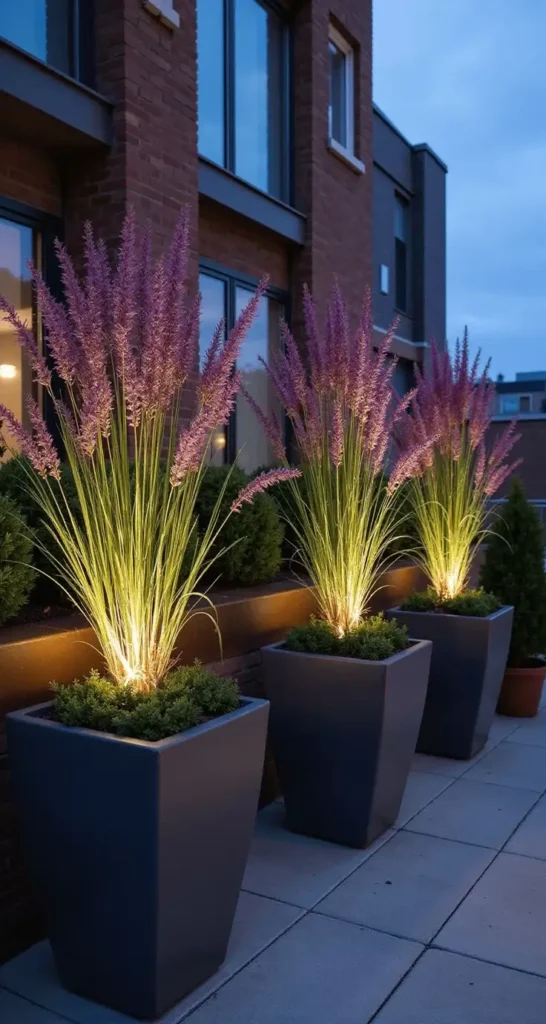
Potted succulents and cacti create a lively look for front patios. Use pots of different sizes and shapes to add interest and depth. Grouping plants with various textures and colors makes the display eye-catching.
These plants are drought-tolerant, needing little water and care. They thrive in sunny spots and warm climates. Choose pots with good drainage to keep roots healthy.
Mixing succulents and cacti with stones or gravel enhances the natural look. This style fits well with modern and desert-themed homes. It also saves water and reduces maintenance efforts.
Asymmetrical Layouts
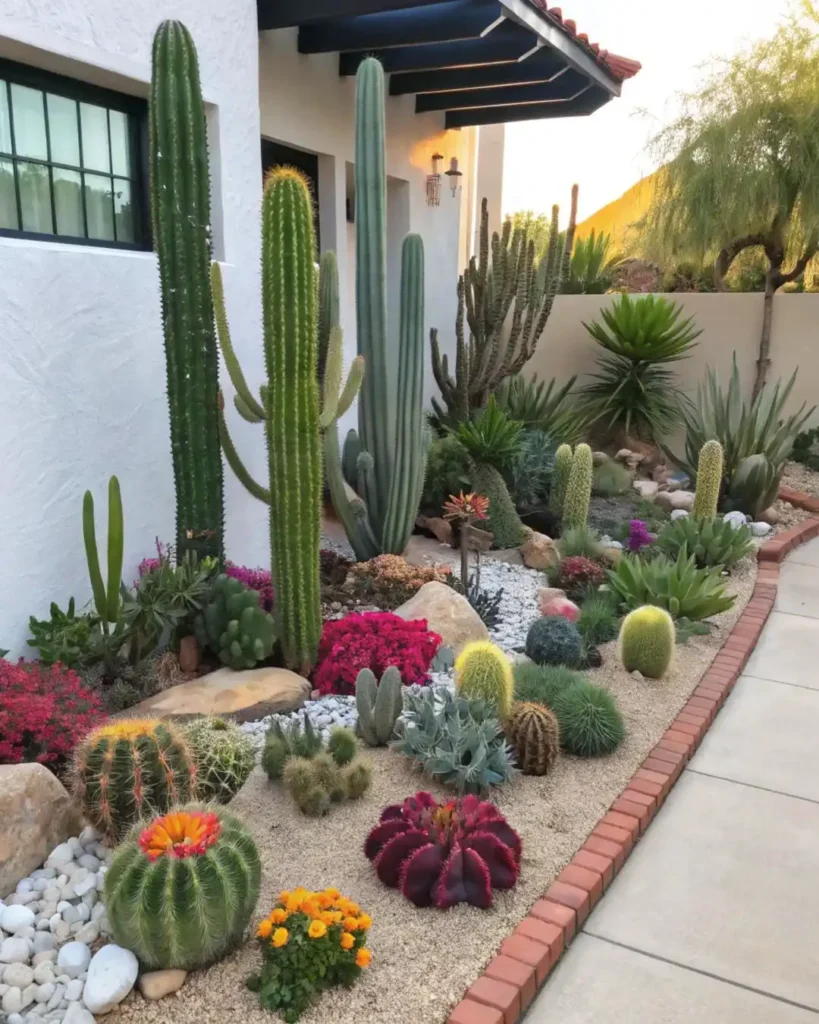
An asymmetrical layout creates dynamic and interesting front yard landscapes. Mixing plant shapes and sizes adds visual interest and balance without strict symmetry.
Use tall, slender plants near shorter, rounded shrubs for contrast. Combine spiky leaves with soft, rounded flowers to catch the eye.
Place large and small plants together to avoid a flat look. Group plants in odd numbers, like threes or fives, to keep the layout natural.
Varied heights and textures make the space feel lively and inviting. This method also works well with different colors and leaf shapes.
Privacy With Green Screens
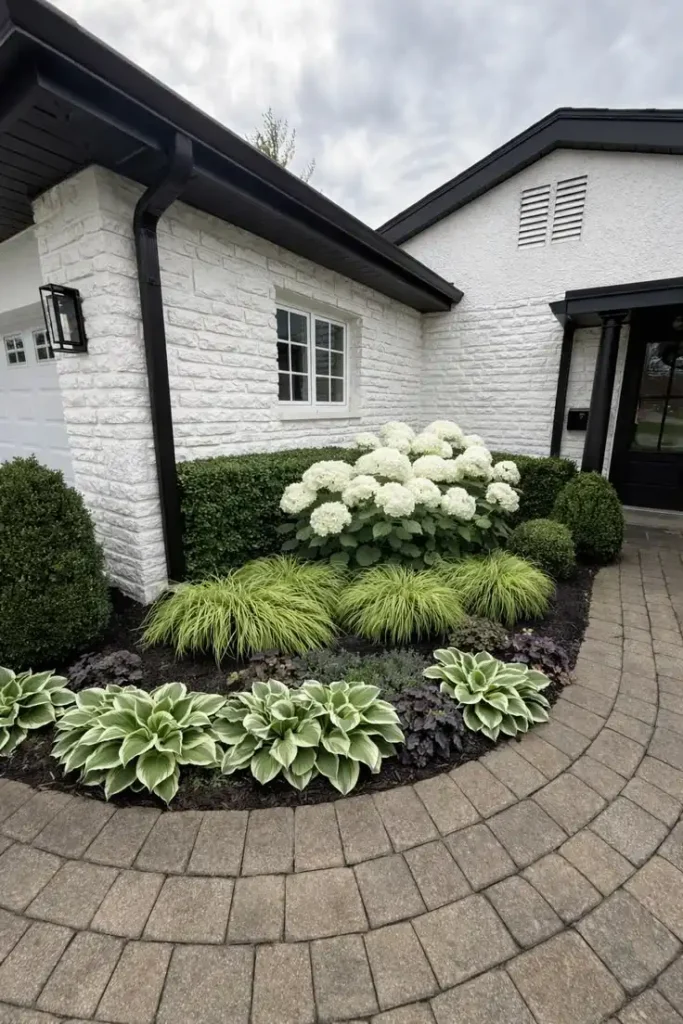
Tall shrubs and hedges create a natural wall for privacy. They block views and reduce noise. These plants grow thick and tall, making them perfect green screens.
You can choose evergreen types for year-round coverage. Plant them close together to form a solid barrier.
Trellises with climbing plants add beauty and privacy at the same time. Climbing vines like ivy, clematis, or jasmine grow quickly on trellises.
They create a lush green curtain that softens your home’s front view. This option works well in smaller spaces or with fences.
Budget-friendly Upgrades
Affordable plants like marigolds, petunias, and pansies add color without high costs. Succulents and ornamental grasses need less water and care.
Choose native plants to save money and support local wildlife.
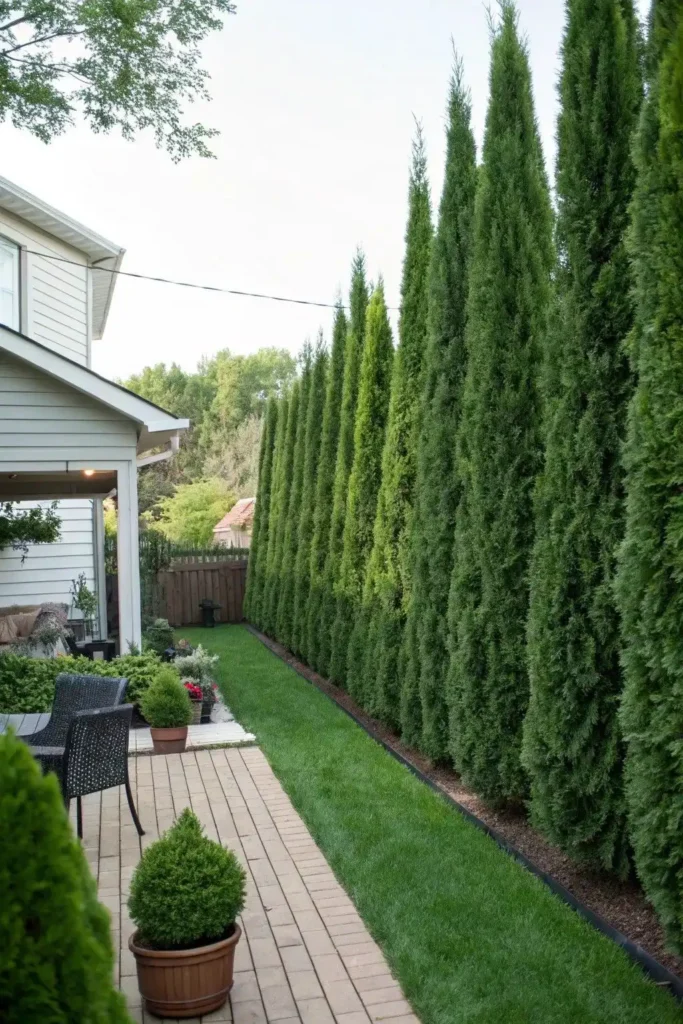
DIY hardscape projects can enhance your front yard on a budget. Building simple stone pathways or raised garden beds is easy and cost-effective.
Use reclaimed bricks or stones to reduce expenses. Mulch helps control weeds and keeps soil moist, making your garden look neat and healthy.
Small Front Yard Solutions
Choose small plants like boxwoods, dwarf evergreens, or lavender to save space. These plants need less room but give a full, green look all year.
Use vertical planters or wall-mounted pots to add greenery without using ground space.
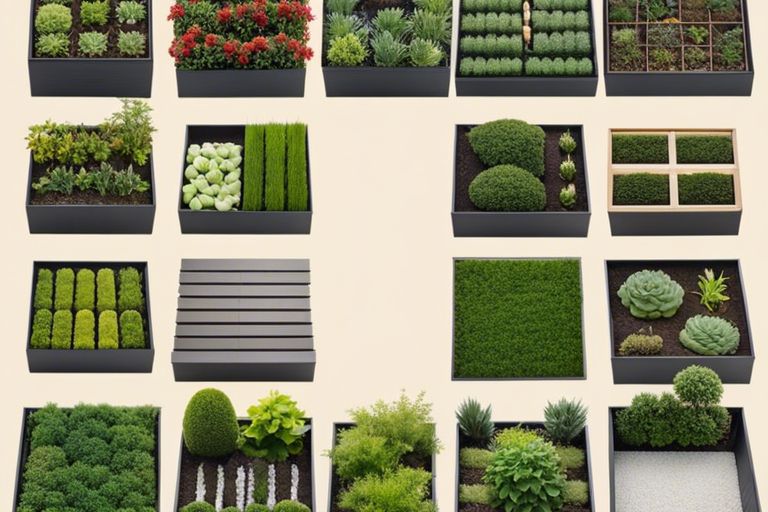
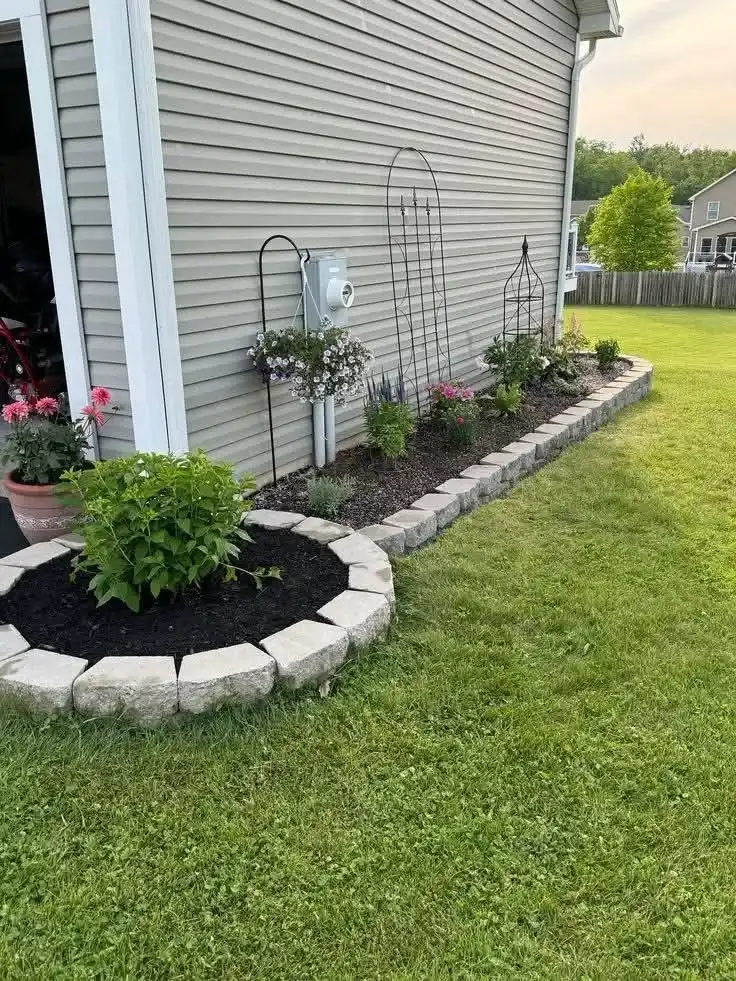
For hardscaping, try narrow walkways with bricks or stones. They guide visitors and make the yard feel bigger. A small gravel area or stepping stones also work well. Raised beds with clean edges keep plants neat and save space.
Use mirrors or light colors on fences to create an illusion of more space. Keep the design simple and tidy to avoid clutter. Small yards look best with clear, defined areas for plants and paths.
Full Sun Front Yard Ideas
Heat-tolerant plants thrive in full sun and dry conditions. Choose native species like lavender, sedum, and agave. These plants need less water and stay healthy during hot days.
Mulching helps keep soil moist and cool. Use organic mulch like wood chips or straw around plants. Mulch reduces water evaporation and stops weeds from growing. It also adds nutrients to the soil as it breaks down.
| Plant Type | Sunlight Needs | Water Needs | Benefits |
|---|---|---|---|
| Lavender | Full sun | Low | Fragrant, attracts pollinators |
| Sedum | Full sun | Low | Drought-resistant, colorful flowers |
| Agave | Full sun | Very low | Architectural look, low maintenance |
Low-maintenance Landscapes
Native plants are ideal for low-maintenance landscapes. They need less water, fertilizer, and care because they are adapted to local climate and soil. Using native plants helps support local wildlife and keeps your garden healthy.
For automated irrigation, set timers to water early morning or late evening. This reduces evaporation and saves water.
Check sprinklers regularly to avoid overwatering or dry spots. Use drip irrigation for precise watering near plant roots. Smart irrigation systems can adjust watering based on weather changes, ensuring efficient water use.
Seasonal Color Highlights
Annuals bring bright accents to front yard landscapes. Choose flowers like marigolds, petunias, and impatiens for vibrant colors. These plants bloom all summer and are easy to replace every year.
Bulbs add early spring blooms that brighten up your yard after winter. Plant tulips, daffodils, and crocuses in clusters for the best effect. They come back yearly and signal the start of the growing season.
| Plant Type | Example Flowers | Best Season | Care Tips |
|---|---|---|---|
| Annuals | Marigolds, Petunias, Impatiens | Summer | Water regularly; replace yearly |
| Bulbs | Tulips, Daffodils, Crocuses | Spring | Plant in fall; low maintenance |
Incorporating Outdoor Lighting
Pathway lights guide guests safely through your yard. They also add a warm, inviting glow. Use low, soft lights to avoid glare and keep the path visible at night.
Accent lights highlight special features like trees, shrubs, or statues. Place lights at the base of these features to create dramatic shadows and depth.
Solar lighting offers an easy, eco-friendly option. These lights charge during the day and shine at night, saving energy and reducing bills. Installation is simple, with no wiring needed.
Choose solar lights with strong sensors to turn on automatically at dusk. They come in many styles and brightness levels to fit any landscape design.

Credit: www.arkaenergy.com
Water Features And Focal Points
Small fountains and ponds add a calm and peaceful feeling to your front yard. They create a lovely sound that makes the space inviting. A small water feature doesn’t take much room but makes a big impact. Ponds can also attract birds and butterflies, bringing life to your garden.
Garden sculptures and art serve as eye-catching focal points. Choose pieces that match your home’s style. Simple statues or modern art can add personality and charm. Place sculptures where visitors will notice them right away, like near pathways or entrances.
| Feature | Benefits | Placement Ideas |
|---|---|---|
| Small Fountains | Soothing sound, small space needed | Near porch or garden bed |
| Ponds | Attracts wildlife, adds natural beauty | Corner of yard or along walkways |
| Garden Sculptures | Creates focal points, adds style | Pathways, near doors, or flowerbeds |
Using Containers Creatively
Mixing different plant types in pots adds color and texture. Combine flowers, herbs, and small shrubs for a fresh look.
Choose plants with varied heights to make containers more interesting. Use bright flowers alongside green foliage to catch the eye.
For arranging containers, place the largest pots at the back or corners. Smaller pots go in front or near walkways.
Grouping containers of different shapes and sizes creates a natural feel. Keep paths clear and use containers to guide guests to your door.
Edible Front Yard Gardens
Growing herbs and vegetables in the front yard adds charm and function. Small beds or containers work well for plants like basil, rosemary, and lettuce. Mixing these with ornamental flowers creates a pretty, useful garden. This blend can attract pollinators like bees and butterflies, helping all plants grow better.
Designing with both edibles and ornamentals needs planning. Use colorful flowers to highlight the green leaves of herbs. Place taller vegetables behind shorter flowers for a neat look. This makes the garden look full and inviting.
| Herbs & Vegetables | Ornamental Plants |
|---|---|
| Basil, Parsley | Marigolds, Petunias |
| Carrots, Lettuce | Lavender, Salvia |
| Thyme, Rosemary | Snapdragons, Dianthus |
Seasonal Decorating Tips
Holiday plant displays add a festive touch to your front yard. Use bright poinsettias, evergreen boughs, and holly for winter charm. In spring, swap them with tulips, daffodils, and fresh greenery.
Changing accents with the seasons keeps your yard lively and fresh. Try colorful pots in summer and warm-toned pumpkins in fall. Small changes like wreaths or garden flags also brighten your space.
Mix natural elements like pine cones or dried flowers with lights for cozy evenings. Keep decorations simple to avoid clutter. Rotate your displays every few weeks to maintain interest.
This approach makes your home welcoming year-round without extra work.
Frequently Asked Questions
What Is The Rule Of 3 In Landscaping?
The rule of 3 in landscaping groups plants or elements in threes. This creates balance, visual interest, and natural flow. It enhances design appeal and harmony in outdoor spaces.
What Is The Best Landscaping In Front Of A House?
The best front yard landscaping combines native plants, evergreen shrubs, and colorful flowers for year-round appeal. Use mulch, stone paths, and lighting to enhance beauty and functionality. Keep designs simple, balanced, and low-maintenance to boost curb appeal and complement your home’s style.
What Is The 70 30 Garden Rule?
The 70 30 garden rule suggests planting 70% greenery and 30% flowers or accents for balanced, attractive landscaping.
What Are The Six Rules Of Landscape Design?
The six rules of landscape design are balance, contrast, focalization, proportion, rhythm, and unity. These principles create harmony and visual appeal in outdoor spaces.
Conclusion
Choosing the right front of house landscape can boost your home’s charm. Simple plants, stones, or paths add personality and warmth. Think about colors, textures, and shapes that suit your style. Keep maintenance easy and your budget in mind. Small changes can create a fresh, welcoming look.
Start with one or two ideas and grow your design over time. Your front yard can become a beautiful space everyone will admire. Enjoy creating a place that feels like home.