21 Sloped Backyard Landscaping Ideas: Stunning Designs to Transform Your Yard

Is your backyard sloping and leaving you wondering how to make the most of it? You’re not alone—and the good news is, a sloped yard can become your favorite outdoor spot with the right landscaping ideas.
Whether you want to create cozy seating areas, add beautiful plant terraces, or build eye-catching pathways, there are plenty of ways to turn that slope into a stunning and usable space. Keep reading, and you’ll discover 21 inspiring sloped backyard landscaping ideas that are easy to follow and perfect for transforming your outdoor area into something truly special.
Your dream backyard is just a few steps away!
Credit: austexfenceanddeck.com
Terraced Gardens
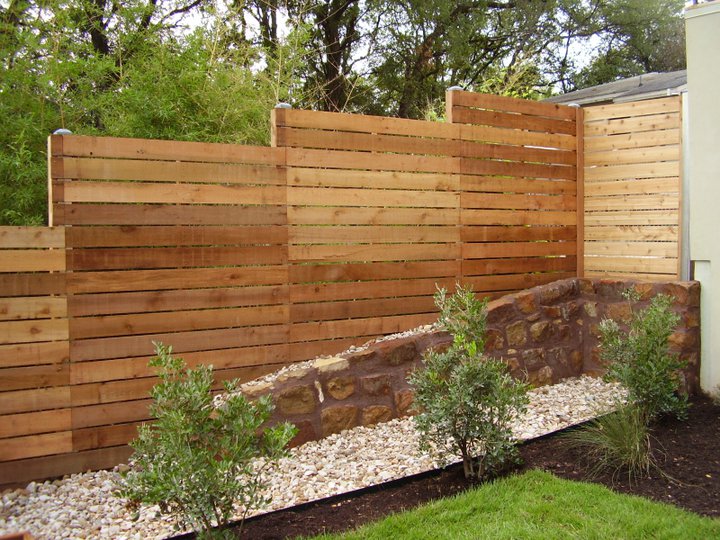
Retaining walls hold soil in place on sloped backyards. They stop soil from washing away and create flat areas. Walls can be made from stone, wood, or concrete blocks. Choose materials that match your home’s style and budget.
Multi-level planting beds add depth and interest. Each level can hold different plants to create layers of color and texture. Use soil and mulch to keep plants healthy and roots stable.
Materials for terraces should be durable and weather-resistant. Stone looks natural and lasts long. Wood offers warmth but needs care to avoid rot. Concrete is strong and can be shaped easily.
Water Features
Cascading waterfalls add a soothing sound and visual interest. They work well on slopes by letting water flow naturally downward. Use rocks and plants to create a natural look.
Ponds and streams bring life to your backyard. Small ponds can collect rainwater and attract wildlife. Streams can run alongside paths or terraces, making the space feel calm and fresh.
Integrating water with terraces helps control water flow and erosion. Water features placed near terraces make the design more inviting. Combine steps, plants, and water to create a peaceful outdoor space.
Pathways And Stairs
Stepped concrete paths provide safe and sturdy walking routes on slopes. They break up steep areas into easy steps. Gaps between steps filled with ground cover plants add a soft, natural look. These paths blend well with the landscape and prevent soil erosion.
Gravel and stone walkways offer a flexible, cost-effective option. Gravel lets water drain through, reducing puddles. Stones create a solid surface while keeping the rustic charm. Combining both materials can create interesting textures and patterns.
Paths that blend with the landscape use natural shapes and curves. Edges lined with plants or mulch soften hard lines. This approach makes the walkway feel like part of the garden, not just a path. It also helps guide visitors gently through the space.
Seating Areas
Sunken lounges create a cozy spot below ground level. They offer shelter from wind and a private feel. Adding cushions and a fire pit makes it inviting.
Deck terraces provide flat areas on slopes for seating. Wood or composite decks blend well with nature. Multiple levels can separate dining and relaxing zones.
Built-in benches save space and look neat. They can follow the slope’s curve or fit into retaining walls. Adding storage under benches is practical and tidy.
Planting Ideas
Deep-rooted grasses like buffalo grass and blue grama hold soil tightly. They stop erosion on slopes by keeping dirt in place. These grasses need little water and grow well in many soils. Their strong roots help keep your backyard steady and safe.
Flowering perennials such as coneflowers and black-eyed Susans add bright colors. They bloom year after year, making your slope look lively. These plants also attract butterflies and bees, helping the garden stay healthy and full of life.
Shrubs like boxwoods and junipers give shape and shade to the area. Their thick roots dig deep, holding soil firmly. Shrubs can create cozy spots and add privacy to your sloped backyard. They also help cool the soil, keeping plants healthy.
Low-maintenance Options
Drought-tolerant plants need little water and thrive in hot, dry conditions. Examples include succulents, lavender, and yucca. These plants save water and reduce yard chores.
Mulch and ground covers help keep soil moist and stop weeds. Mulch also protects plants and prevents erosion on slopes. Use materials like bark, stones, or pine needles. Ground covers such as creeping thyme or clover spread quickly and cover bare soil.
Automated irrigation systems water plants at set times, saving effort and water. Timers and drip lines deliver water directly to roots. This system prevents overwatering and keeps plants healthy with less work.
Soil Stabilization Techniques
Landscape fabric installation helps keep soil in place on slopes. It stops weeds and lets water drain well. Lay fabric over the slope before adding mulch or soil. This keeps the ground stable and reduces erosion.
Rock and mulch anchoring uses heavy materials to hold soil. Large rocks act as barriers to slow water flow. Mulch adds weight and protects soil from rain impact. Both help soil stay where it belongs.
Erosion control methods include planting grasses and shrubs with strong roots. These roots hold soil tightly. Using terracing or small retaining walls also prevents soil from washing away. Together, these methods keep your backyard neat and safe.

Credit: commons.wikimedia.org
Lighting And Decor
Pathway lighting brightens walkways, making them safe and inviting. Use small lights along steps or paths to guide guests at night. Solar-powered lights are easy to install and eco-friendly.
Garden decor elements add charm and personality. Consider placing stone statues, birdbaths, or colorful pots. These pieces create interest and highlight your garden’s style.
Outdoor lighting for safety helps prevent trips and falls. Install lights near stairs, steep slopes, and entrances. Motion sensor lights save energy and turn on only when needed.
Budget-friendly Ideas
Native plants are perfect for sloped backyards. They need less water and care. Their roots help stop soil erosion. Choosing plants that grow well locally saves money and effort.
DIY retaining walls can hold soil and create flat spaces. Use wood, stone, or bricks from nearby stores. Building these yourself cuts down on labor costs. Small walls make planting easier and add charm.
Affordable hardscaping materials like gravel, mulch, and flagstones work well on slopes. They provide good drainage and prevent mud. These materials are cheaper than concrete or pavers. Use them for paths, patios, or borders.

Credit: www.iscapeit.com
Functional Spaces
Outdoor kitchens are perfect for sloped backyards. Build them on a flat terrace created with retaining walls. This keeps cooking and dining areas stable and safe. Use stone or brick for a natural look that fits the slope’s style.
Fire pits and seating zones create cozy spots on uneven ground. Arrange seats around the fire pit on level platforms or steps. This design invites friends to gather and enjoy warmth outdoors. Choose materials like stone or concrete for durability.
Play areas on slopes can be fun and safe. Create flat play zones using terracing or retaining walls. Add soft ground cover like mulch or artificial turf for cushioning. Slides, climbing walls, and swings work well with sloped settings.
Frequently Asked Questions
How To Landscape A Slightly Sloped Backyard?
Control erosion on a slight slope using rocks, mulch, and deep-rooted plants. Add terraces or retaining walls for stability and usability. Create pathways and seating areas to enhance function and appearance.
What Is The Cheapest Way To Landscape A Slope?
The cheapest way to landscape a slope involves planting deep-rooted grasses and ground covers. Use mulch and rocks to prevent erosion. Create simple terraces with soil and plants to stabilize the area. Avoid expensive retaining walls for budget-friendly, natural slope control.
What To Do With A Steep Hill In Your Backyard?
Build retaining walls or terraces to prevent erosion and create flat usable spaces. Add deep-rooted plants for soil stability. Incorporate pathways or seating areas to enhance functionality and aesthetics on steep hills.
What Is The Best Low-maintenance Hillside Landscaping?
The best low-maintenance hillside landscaping uses deep-rooted grasses, flowering perennials, and shrubs to prevent erosion and add color. Terracing and retaining walls enhance stability and usability. Mulch and ground covers reduce weeds and water needs, creating a durable, attractive hillside garden.
Conclusion
Sloped backyards offer unique chances to create charming outdoor spaces. Use terraces, retaining walls, and pathways to shape your yard. Plants and ground cover help control erosion and add beauty. Adding seating or water features can make the area inviting and relaxing.
Choose ideas that fit your style and budget easily. With simple steps, your sloped backyard becomes a place to enjoy. Transform the slope into a garden or lounge spot that suits your needs. Embrace the slope’s potential for a stunning yard makeover.