24 Stamped Concrete Patio Ideas: Transform Your Outdoor Space Today
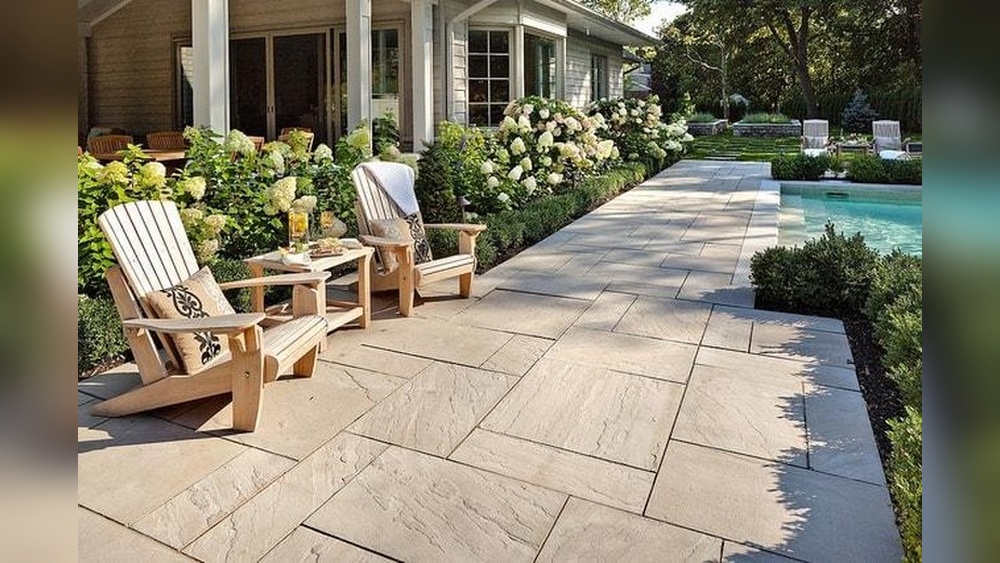
Looking to transform your outdoor space into a stylish and inviting retreat? A stamped concrete patio offers you endless possibilities to add texture, color, and personality without breaking the bank.
Whether you want the look of natural stone, brick, or even wood, stamped concrete can give you that custom design feel with durability that lasts. You’ll discover 24 inspiring stamped concrete patio ideas that will help you create the perfect backyard oasis.
Get ready to explore creative patterns, vibrant colors, and clever layouts that will make your patio stand out—and you’ll want to keep reading to find the perfect style that fits your vision and lifestyle.

Credit: www.thecoolist.com
Benefits Of Stamped Concrete
Stamped concrete is known for its durability. It lasts many years without cracking or fading. This material can handle heavy foot traffic and weather changes. Its strong surface needs little maintenance over time.
The design versatility of stamped concrete is impressive. It can mimic wood, brick, stone, or tile patterns. Different colors and textures can create unique looks. This helps match any home style or outdoor theme.
Stamped concrete is also cost-effective. It costs less than natural stone or pavers. Installation is faster, saving labor costs. Its low upkeep means fewer repair expenses later. This makes it a smart choice for many homeowners.
Popular Patterns And Textures
Wood and timber looks bring warmth and natural charm to patios. These patterns mimic real wood planks with grain details and knots. They fit rustic or cozy outdoor spaces well. Concrete can be stained to match oak, pine, or cedar shades.
Stone and slate styles offer a classic, elegant feel. These patterns create the look of natural stone slabs with rough edges and textures. Slate patterns add subtle color variations and depth. They suit both modern and traditional patios.
Brick and tile designs add timeless appeal and neat lines. Brick patterns often use herringbone or running bond layouts. Tile patterns can be geometric or decorative. These options work well with many home exteriors.
Unique texture options include cobblestone, flagstone, and even custom shapes. These textures add interest and grip to the patio surface. They create one-of-a-kind outdoor areas that stand out.
Color Choices For Patios
Earth tones and natural colors like tan, brown, and beige create a warm, inviting patio. These shades blend well with gardens and outdoor plants. They offer a calm, classic look that suits most homes.
Bold and vibrant colors such as deep reds, blues, or greens add personality. They make the patio a bright, lively place for gatherings. Use these colors to highlight patterns or borders.
Combining multiple shades can create depth and interest. Use lighter colors as a base and darker shades for texture or stamps. Mixing colors can also mimic natural stone or wood.
Creative Patio Layouts
Geometric patterns bring a modern look to stamped concrete patios. Squares, rectangles, and hexagons create a clean, stylish design. These shapes can be repeated or mixed for visual interest. Using bold lines or contrasting colors highlights the shapes and adds depth.
Mixed material designs combine concrete with wood, stone, or brick. This adds texture and warmth to the patio. For example, wood inserts between concrete slabs make a natural, inviting space. Stone accents around seating areas bring a rustic charm.
Border and edge treatments frame patios beautifully. Borders can be simple straight lines or intricate patterns. Using a different color or texture for edges defines the space. Rounded edges soften the look, while sharp edges create a crisp finish.
Enhancing Grip And Safety
Topcast texture adds a rough surface to stamped concrete. It improves traction and reduces slipping risks. This texture works well in wet or icy conditions, making patios safer for everyone.
Control joints are narrow gaps placed in concrete slabs. They allow the concrete to expand and contract with temperature changes. This helps prevent cracks and keeps the patio stable over time.
Non-slip finishes use special coatings or additives. These create a grippy surface without changing the look of the concrete. They are perfect for areas that get wet or where extra safety is needed.
Diy Installation Tips
Preparing the site is the first step for a stamped concrete patio. Clear the area of plants, rocks, and debris. Level the ground and add a gravel base for stability. Use wooden forms to shape the patio edges. Compact the gravel well to prevent sinking.
Stamping techniques involve pressing patterns into wet concrete. Choose stamps that match your style, like stone or wood grain. Work quickly before the concrete hardens. Apply a release agent to avoid sticking. Press the stamp firmly and evenly for clear patterns.
Sealing and maintenance protect your patio from damage. Use a concrete sealer after the surface dries. Seal every 2-3 years to keep colors bright and prevent cracks. Clean the patio with mild soap and water to remove dirt. Avoid harsh chemicals that can damage the surface.
Professional Installation Insights
Choosing the right contractor is key for a durable stamped concrete patio. Check their experience and ask for references. Make sure they use quality materials and follow local building codes. A good contractor will explain the process clearly and give a detailed estimate.
Cost factors include the size of the patio, design complexity, and material quality. Intricate patterns and colors cost more. Labor charges vary by region and contractor reputation. Budget for preparation work like excavation and base layer installation to avoid surprises.
Avoid common mistakes like poor surface preparation and improper sealing. These cause cracks and fading. Ensure proper drainage to prevent water damage. Confirm the contractor uses control joints to reduce cracking risks. Regular maintenance extends the patio’s life and look.

Credit: www.northeasterndecorativeconcrete.com
Maintenance And Cleaning
Mild cleaners like Dawn soap work well for stamped concrete patios. Mix a small amount with water to clean dirt and stains gently. Avoid harsh chemicals that can damage the surface. Use a soft brush or mop for scrubbing.
Keep a regular sealing schedule to protect the patio. Seal it every 2 to 3 years, depending on weather and use. Sealing helps prevent stains, fading, and water damage. Always clean the surface before sealing.
Repair minor cracks quickly to stop them from growing. Use a concrete patch or filler made for stamped concrete. Clean the crack first, then apply the patch smoothly. This keeps the patio looking fresh and strong.
Integrating Outdoor Features
Fire pits create a cozy spot on your stamped concrete patio. Arrange seating areas nearby for comfort and warmth. Choose benches or chairs that match the patio’s style for a harmonious look.
Planters add color and life to the patio. Use them as garden borders to define spaces and soften hard edges. Select plants that thrive outdoors and complement the patio colors.
Place outdoor rugs to add texture and comfort underfoot. Rugs help separate areas and make seating zones feel inviting. Arrange furniture in a way that encourages conversation and easy movement.
Inspiration From Austin, Texas Patios
Austin’s patios show strong local design trends with warm colors like Palomino and earthy tones. These colors blend well with Texas landscapes.
Stamped concrete often uses wood, tile, or flagstone patterns. These add charm and texture to patios, making them feel cozy and unique.
The climate affects design choices. Heat and sun need materials that stay cool and resist cracking. Textures like Topcast help with grip and safety.
| Example | Pattern | Color | Special Feature |
|---|---|---|---|
| Wood Look | Wood grain | Warm brown | Natural appearance |
| Flagstone | Stone shapes | Gray and tan | Textured surface |
| Tile | Square and diamond | Red and beige | Elegant style |
Control joints create unique patterns and help prevent cracks. These small design choices improve both style and durability.
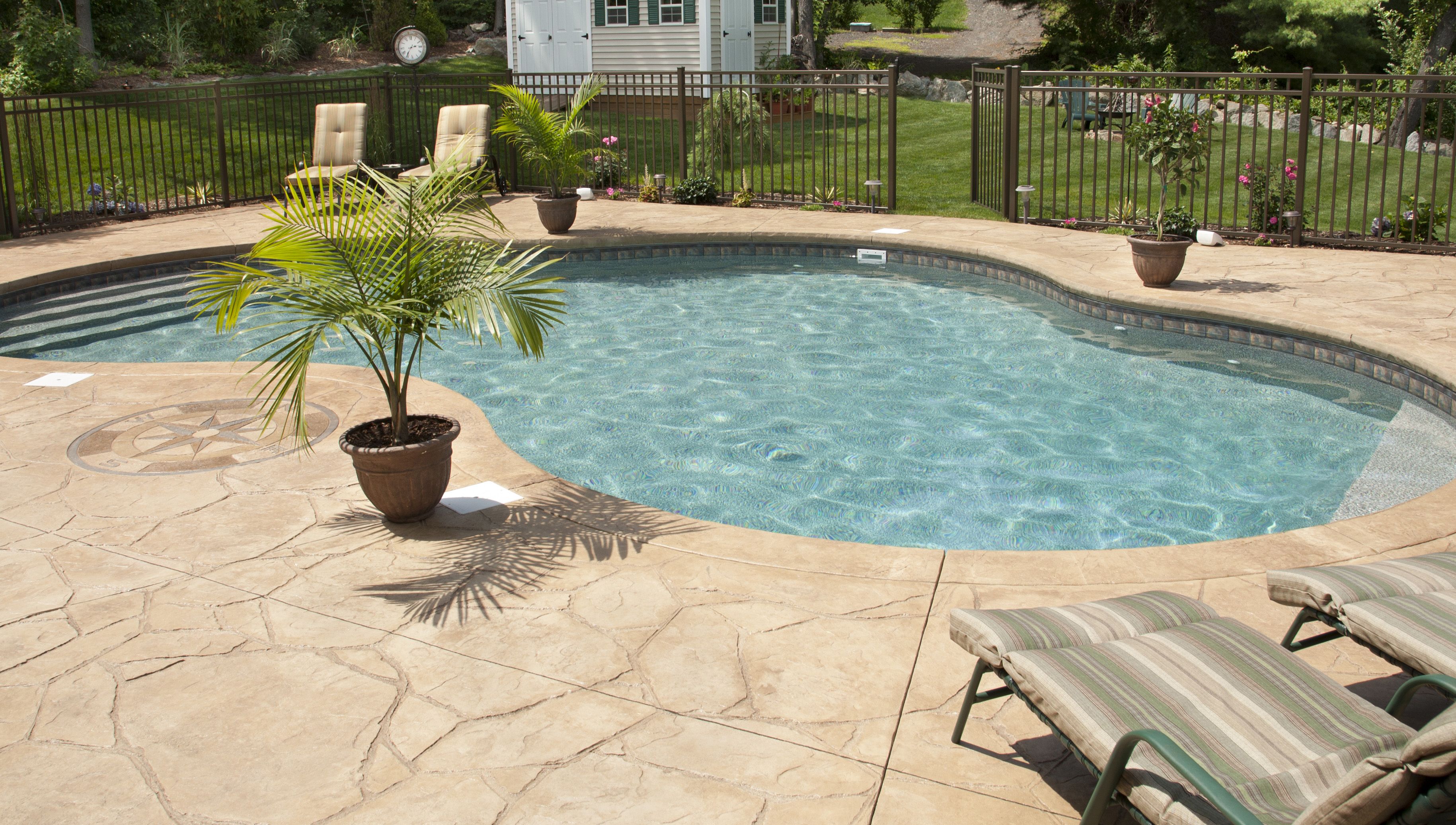
Credit: www.riverpoolsandspas.com
Frequently Asked Questions
What Is The Downside Of Stamped Concrete?
Stamped concrete can crack over time and may require sealing to prevent damage. It can also be slippery when wet and harder to repair than traditional concrete.
How Much Would A 20×20 Concrete Patio Cost?
A 20×20 concrete patio typically costs between $2,000 and $6,000, depending on materials and labor.
What Is The Most Popular Stamped Concrete Pattern?
The most popular stamped concrete pattern is the slate or flagstone design. It mimics natural stone, offering elegance and durability.
Does Dawn Dish Soap Clean A Concrete Patio?
Yes, Dawn dish soap effectively cleans concrete patios. It removes dirt and stains without harsh chemicals or pressure washers.
Conclusion
Stamped concrete patios offer beauty and durability for any outdoor space. Choose patterns and colors that fit your style best. These ideas help inspire your perfect patio design. A well-planned patio adds value and comfort to your home. Start planning today to enjoy a stylish outdoor area tomorrow.