
26 DIY Outdoor Cat Shelter Ideas: Cozy, Creative & Budget-Friendly
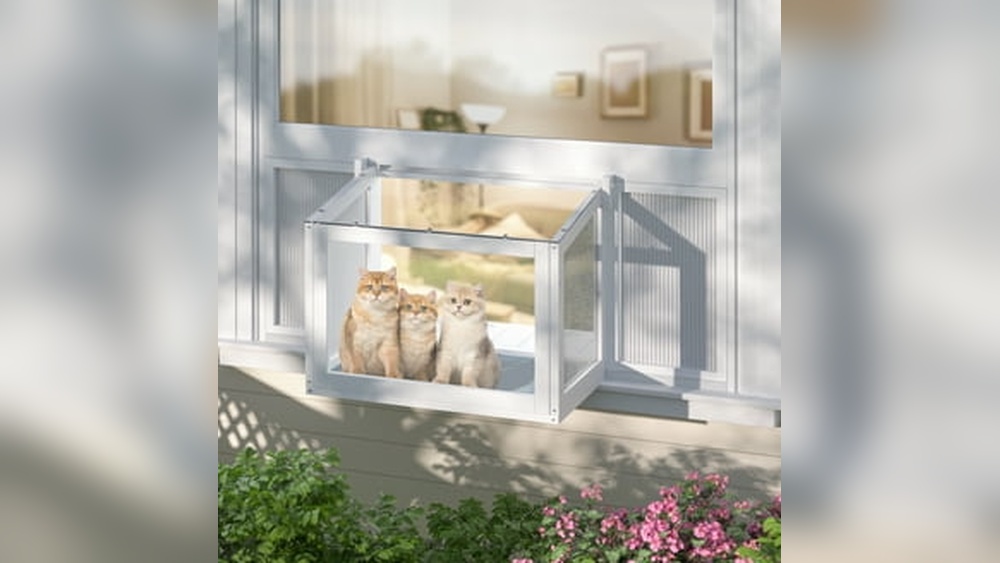
If you care about outdoor cats in your neighborhood, you know how important it is to provide them with a safe, warm place to shelter from the elements. But building the perfect outdoor cat shelter doesn’t have to be complicated or expensive.
You can create cozy hideouts that protect your feline friends from rain, wind, and cold using simple materials you might already have. Whether you want a quick fix or a creative project, these 26 DIY outdoor cat shelter ideas give you plenty of options to keep your cats comfy all year round.
Ready to discover easy, affordable ways to make a difference for the cats around you? Let’s dive in!

Credit: www.idesignuae.com
Basic Shelter Materials
Plastic bins are a simple, cheap way to build a cat shelter. Use a large bin with a lid to keep cats dry and warm. Cut a small door for easy access. Add straw for insulation inside.
Wooden structures offer strong and lasting shelters. Use untreated wood to avoid harmful chemicals. Build a box with a sloped roof to keep rain out. Paint the wood with pet-safe paint for extra protection.
Styrofoam coolers are great insulators and keep shelters warm. Cut a hole for an entrance and seal cracks with waterproof tape. Place the cooler inside a wooden or plastic bin for durability.
Insulation options include straw, foam boards, and old blankets. Straw works best because it stays dry and traps heat. Avoid using hay or towels, as they hold moisture and cause cold.

Credit: www.oakgov.com
Simple Diy Designs
Using a tub with a flowerpot entrance creates a simple cat shelter. Cut a hole in the tub and place a flowerpot as the doorway. This helps keep wind and rain out.
Storage containers offer sturdy shelter options. Insulate them with foam or blankets inside. A tight lid keeps the weather away.
Straw bedding is warm and dry. It works better than blankets because it does not hold moisture. Change straw regularly to keep it clean.
To make shelters last, apply weatherproofing tips. Use waterproof paint or sealant outside. Elevate the shelter off the ground to avoid water damage and cold floors.
Creative Shelter Ideas
Old furniture can become a cozy cat shelter with some changes. A wooden dresser or cabinet works well. Remove drawers, add soft bedding, and cover it with waterproof material. This creates a warm, safe space for cats.
A garden pergola can be turned into a cat enclosure. Add mesh walls to keep cats safe while letting fresh air in. Cats enjoy climbing and hiding in this space. It blends well with outdoor plants.
Multi-level cat patios give cats room to play and rest. Build platforms at different heights using wood or sturdy materials. Connect them with ramps or stairs. Cats love jumping and exploring these areas.
Natural cat shelves use tree branches or logs to create resting spots. Attach shelves to walls or trees for climbing fun. This design feels close to nature and keeps cats entertained.
Budget-friendly Solutions
Using recycled materials like old crates, pallets, and plastic containers helps save money. These items are easy to find and perfect for cat shelters. Adding low-cost insulation such as straw or foam sheets keeps cats warm during cold months. Avoid blankets, as they hold moisture and freeze.
Affordable plans and blueprints are available online for less than $10. These guides show step-by-step instructions with simple tools. They help build shelters that are safe, warm, and weatherproof.
Choosing DIY shelters often costs less than buying ready-made ones. Building your own shelter allows customization to fit outdoor space and climate. It also adds a personal touch for the cats in need.
Winter-proofing Techniques
Choosing the right bedding helps keep cats warm in winter. Straw works best because it traps heat and stays dry. Avoid blankets or hay; they get wet and cold quickly.
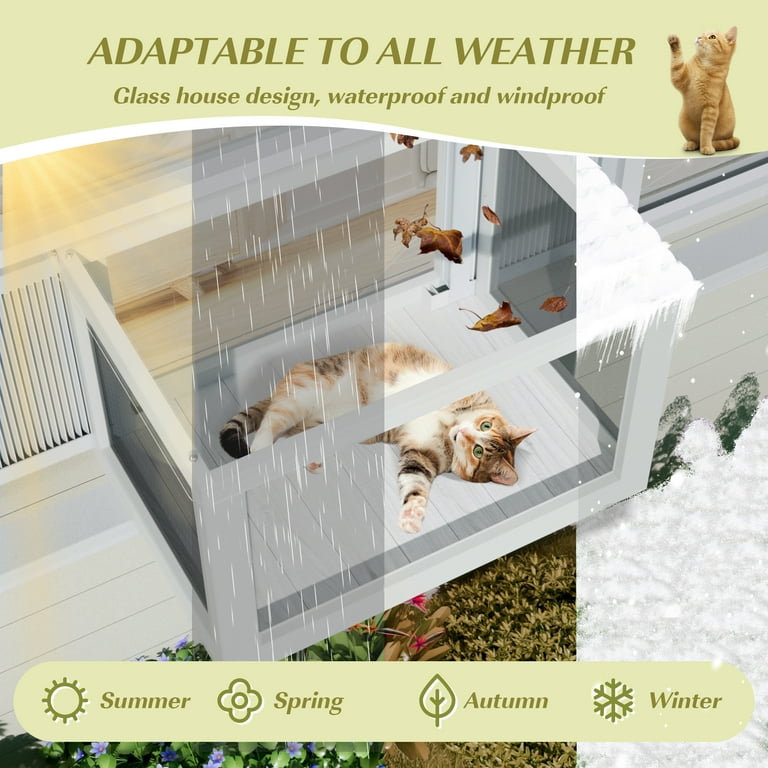
Sealing against wind and moisture stops cold air and rain from entering the shelter. Use weatherproof materials like plastic or wood with tight seams. Cover openings except a small door to reduce drafts.
Elevated shelter designs keep the shelter off the cold ground. Raise it with bricks or wooden legs to avoid dampness and cold from the floor. This also helps prevent pests from entering.
Maintaining warmth safely means avoiding electric heaters, which can be dangerous. Use thick insulation and bedding instead. Make sure the shelter has good ventilation to prevent moisture build-up.
Credit: www.walmart.com
Shelter Placement Tips
Choose safe locations away from busy roads and loud noises. Spots near bushes or fences offer good hiding places. Avoid areas with harsh sun or heavy rain exposure. Place shelters where cats can easily find them and feel secure.
Orient shelters so the entrance faces away from wind and rain. South or southeast directions usually provide warmth and sunlight. Keep the opening small to keep cold air out but large enough for cats to enter comfortably.
Protect cats from predators by placing shelters near human activity or in areas with natural barriers. Avoid open spaces where predators can approach easily. Consider raised shelters or adding small fences for extra safety.
Ensure easy access for cats by placing shelters on flat ground or low platforms. Avoid spots that require climbing or jumping high. Check paths regularly to keep entrances clear of snow, leaves, or debris.
Community Cat Shelter Projects
Group builds bring people together to help community cats. Volunteers share skills, tools, and time to create warm shelters. These projects often use recycled materials to keep costs low. Building shelters as a group makes the work easier and faster. It also builds a sense of teamwork and care for local cats.
Sharing resources helps spread knowledge and supplies. People exchange plans, insulation, and straw for warmth. Donations of materials like wood and plastic keep shelters affordable. Community members can trade ideas to improve shelter designs. This sharing supports many cats in need.
Local support networks connect volunteers and cat lovers. These groups organize feeding stations and monitor cat colonies. They also provide advice on shelter upkeep and cat health. Support networks help find places for shelters and gather supplies. They keep the community involved and informed.
Seasonal maintenance is important for shelter safety and comfort. Shelters need cleaning, fresh straw, and repairs before winter. Checking for damage after storms keeps cats safe. Regular care helps shelters last longer and stay warm. Volunteers often schedule checks to keep shelters ready year-round.
Frequently Asked Questions
How To Make A Cheap Outdoor Cat Shelter?
Use a plastic storage bin with a lid, cut an entrance, and insulate inside with straw. Keep it dry and elevated.
What Is The 3-3-3 Rule For Feral Cats?
The 3-3-3 rule helps assess feral cat care: 3 days for feeding, 3 weeks for monitoring, and 3 months for trapping or neutering.
What Is The Best Shelter For Outdoor Cats In Winter?
The best winter shelter for outdoor cats is small, insulated, and weatherproof. Use plastic bins or wood with straw bedding. Avoid blankets to prevent moisture. Ensure the entrance is small to keep warmth in and predators out.
How Cold Is Too Cold For Outdoor Cats With Shelter?
Outdoor cats with shelter may struggle below 32°F, especially with wind chill. Insulated shelters with straw bedding help maintain warmth. Monitor weather and provide extra protection during extreme cold to keep cats safe and comfortable.
Conclusion
Creating a cozy outdoor cat shelter can be simple and affordable. These 26 DIY ideas offer many ways to protect cats from harsh weather. Choose materials that keep warmth inside and moisture out. Remember, straw works better than blankets for insulation.
A well-made shelter helps cats stay safe and comfortable. Small efforts can make a big difference for outdoor cats. Try one project and watch how cats enjoy their new space. Caring for cats outdoors is rewarding and kind.