28 Historical Hairstyles Medieval Ideas: Stunning Looks to Try Today
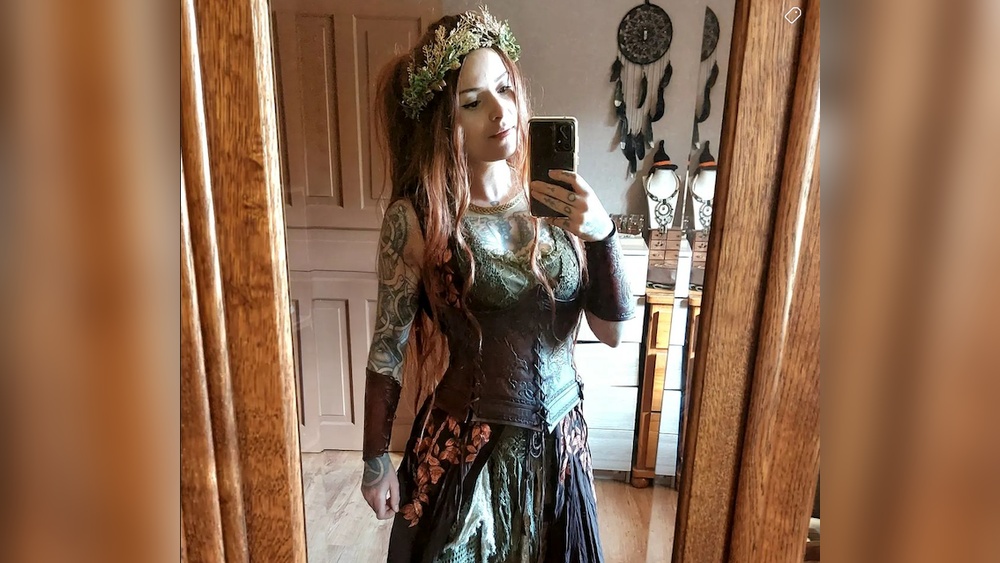
Are you ready to transform your look with timeless style? Medieval hairstyles offer more than just history—they bring a unique charm and elegance that you can easily adapt for your next event or everyday style.
Whether you want intricate braids, regal crowns, or simple yet striking hairdos, these 28 historical medieval hairstyle ideas will inspire you to try something bold and beautiful. Discover how you can make your hair tell a story from the past while standing out in the present.
Keep reading and unlock the secrets to achieving these stunning looks that have captivated people for centuries!
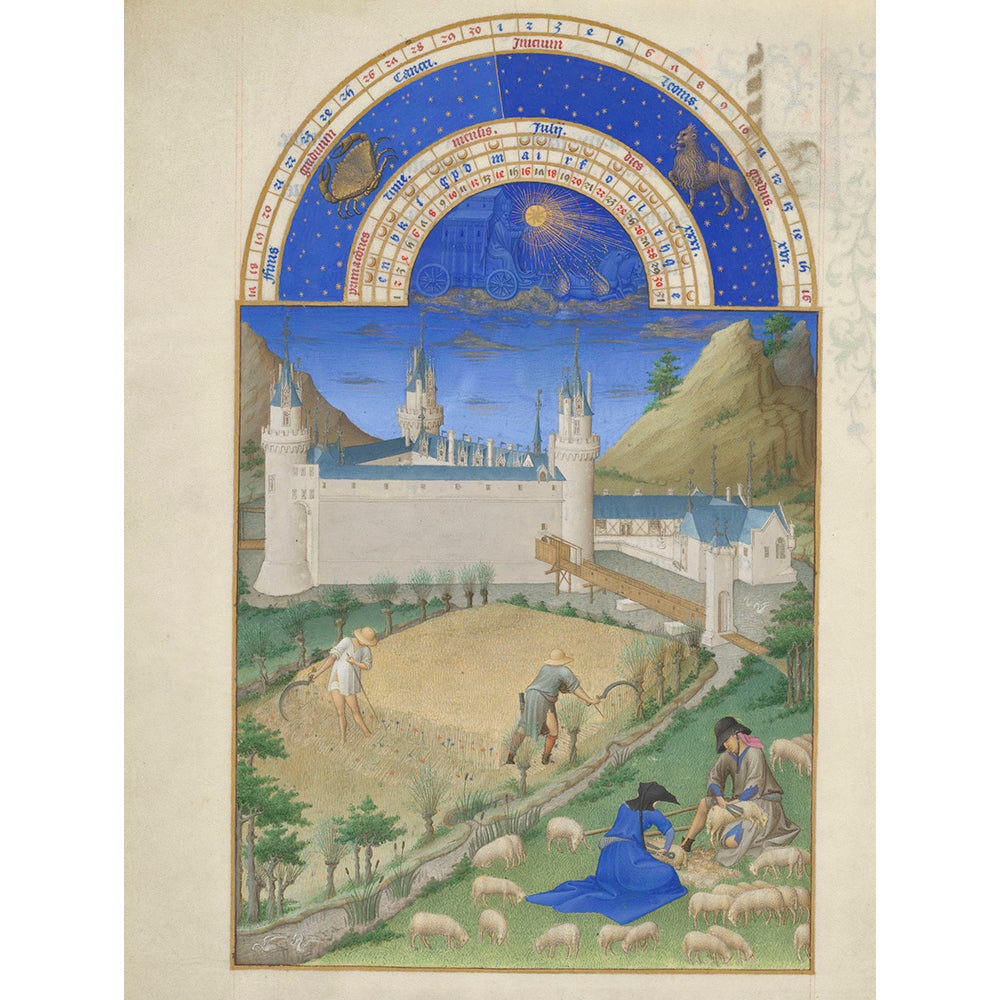
Credit: shop.getty.edu
Braided Crowns
The Classic Crown Braid wraps hair around the head like a ring. It looks neat and elegant. This style suits many face shapes and keeps hair tidy all day.
The Double Braided Halo uses two braids that circle the head. It adds volume and a royal feel. This look was popular among noblewomen in medieval times.
Incorporating Ribbons and Flowers into braided crowns adds charm and color. Ribbons can be woven into the braid, while flowers are pinned for decoration. These details make the hairstyle stand out beautifully.

Credit: www.furman.edu
Medieval Princess Styles
Elegant braided buns were popular among medieval princesses. Hair was woven into tight, intricate braids. These braids were then wrapped into neat buns, often placed high on the head. The style showed grace and status. It also kept hair tidy during long events.
Veils and hairnets often covered the hair. Veils were made from fine fabrics like silk or linen. Hairnets, sometimes decorated with beads or gold threads, held hair in place. Both were symbols of modesty and nobility. They added a soft, delicate look to the overall hairstyle.
Decorative hair combs served both practical and ornamental roles. Combs were carved from wood, bone, or metal. Some had jewels or intricate designs. Princesses used them to secure hairstyles or simply to show wealth. These combs added charm and elegance to the look.
Hair Taping Techniques
Everyday braided looks inspired by medieval styles are simple yet elegant. Braids like the classic three-strand or fishtail can be worn loose or tight. Adding small ribbons or beads brings a subtle medieval touch to daily wear. Braids keep hair neat and stylish, perfect for school or work.
Event and costume hairstyles often use more complex braiding and accessories. Flower crowns, ribbons, and decorative pins add charm. Hair nets or veils can create an authentic medieval feel. These styles suit fairs, plays, or themed parties, making you feel like you stepped back in time.
Combining old and new techniques means mixing medieval braids with modern twists. Try half-up braided crowns with loose curls below. Use hair spray for hold and shine without stiffness. This blend keeps the style fresh and wearable every day.

Credit: news.illinoisstate.edu
Frequently Asked Questions
What Were Common Medieval Hairstyles?
Common medieval hairstyles included braided crowns, simple buns, loose waves, and hairnets for modesty. Men often wore short, neatly combed hair. Women decorated hair with ribbons, flowers, and combs. Braids symbolized status and were popular in both everyday and formal styles.
What Was Marie Antoinette’s Hairstyle Called?
Marie Antoinette’s hairstyle was called the “pouf. ” It featured towering, elaborate hair piled high with decorations.
What Were Women’s Hairstyles In 1066?
In 1066, women commonly wore long hair braided or twisted. Married women covered hair with veils or wimples. Braided crowns and simple hairnets were popular. Hairstyles often included ribbons or small flowers for decoration. Hair reflected social status and marital status clearly.
What Are The Oldest Known Hairstyles?
The oldest known hairstyles include braids, twists, and simple comb-overs. Ancient Egyptians and Romans favored these styles. They often used hairnets, ribbons, and flowers for decoration. Braided crowns and hair taping were common in medieval Europe. These styles combined practicality with early aesthetic expression.
Conclusion
Medieval hairstyles show creativity and tradition from long ago. These 28 ideas bring history to life in simple ways. You can try braids, buns, or hairnets for a classic look. Each style tells a story about the people and culture of that time.
Using these ideas helps keep medieval beauty alive today. Explore them slowly and enjoy the charm of old hair fashion. History never looked so stylish and easy to wear.