24 Small Living Room Ideas That Maximize Space Without Sacrificing Style
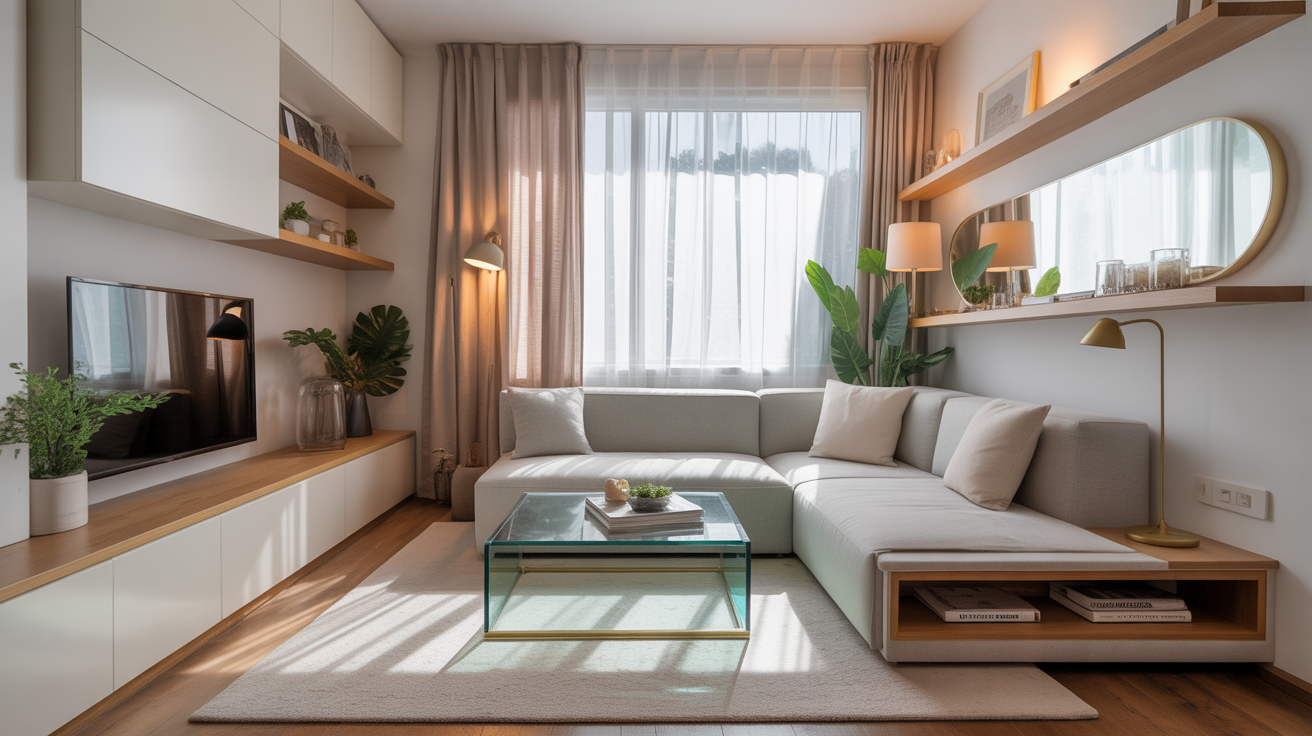
I’ve always believed that a small living room doesn’t have to feel cramped or limiting. In fact, some of the most beautiful spaces I’ve seen were the smallest ones, simply because they were thoughtfully designed. If your living room feels crowded or difficult to style, I want you to know that you don’t need a bigger home to create a space you truly love.
When I started working on my own small living room, I realized how much difference the right choices can make. With a few smart ideas, you can make your space feel open, organized, and stylish at the same time. These ideas will help you enjoy your living room more, keep it tidy, and create a welcoming space you’ll actually want to spend time in.
1. Choose Light Colors for an Airy Feel
One of the first things I learned about small spaces is that light colors make a huge difference. Soft whites, warm creams, and gentle beige tones reflect light and make the room feel larger than it actually is. When you walk into a light-colored room, it instantly feels calmer and more open.
I usually recommend keeping the walls and larger furniture pieces in neutral shades. You can still add personality with cushions or small decor items. This way, the room feels bright without looking boring, and it becomes much easier to refresh the look later.
2. Use Multi-Functional Furniture
In a small living room, every piece of furniture should serve more than one purpose. I love using storage ottomans, sofa beds, or coffee tables with hidden compartments because they reduce clutter without adding extra furniture.
When you have limited space, fewer items make the room feel more peaceful. I’ve noticed that multi-functional furniture helps keep things organized while still looking stylish and intentional.
3. Keep Furniture Proportional
Oversized furniture can quickly overwhelm a small living room. I once made the mistake of choosing a large sofa, and it made the entire room feel tight and uncomfortable.
Now I always suggest choosing furniture that fits the size of the room. Slim arms, raised legs, and compact shapes create balance and allow you to move comfortably without bumping into things.
4. Add Mirrors to Expand the Space
Mirrors are one of my favorite tricks for small rooms because they make a space look almost twice as big. A well-placed mirror reflects both light and furniture, creating the illusion of depth.
I usually place mirrors across from windows whenever possible. This makes the room brighter during the day and gives the space a more open and welcoming feel.
5. Choose Furniture with Visible Legs
Furniture that sits directly on the floor can make a room feel heavy. Pieces with visible legs allow you to see more of the floor, which makes the space feel larger.
I’ve found that sofas and chairs with wooden or metal legs create a lighter appearance. Even though the difference seems small, it changes the overall feeling of the room.
6. Use Vertical Storage
When floor space is limited, I always look upward. Wall shelves and tall bookcases provide storage without taking up valuable room on the ground.
Vertical storage also helps keep things organized and easy to reach. It allows you to decorate while still maintaining a clean and uncluttered appearance.
7. Keep the Layout Simple
A complicated layout can make a small living room feel chaotic. I prefer simple furniture arrangements that allow easy movement and clear pathways.
Usually, placing the sofa against a wall and keeping open space in the center works well. This makes the room feel structured and comfortable instead of crowded.
8. Use Rugs to Define Areas
Even in a small living room, rugs help create a sense of structure. A well-sized rug makes the seating area feel intentional and complete.
I like choosing rugs that are large enough for at least the front legs of the furniture to sit on. This connects everything visually and makes the room feel more organized.
9. Let Natural Light In
Natural light is one of the best ways to make a room feel bigger. Heavy curtains can block light and make the space feel smaller.
I prefer light fabrics or simple blinds that allow sunlight to enter. A bright room always feels more welcoming and comfortable.
10. Use Wall-Mounted Lighting
Floor lamps can take up valuable space in a small living room. Wall-mounted lights provide the same function without cluttering the floor.
I like using sconces or mounted reading lights near seating areas. They create a cozy atmosphere while keeping the room open and practical.
11. Choose a Simple Color Palette
Too many colors can make a small space feel busy. I’ve learned that sticking to two or three main colors creates a more peaceful environment.
A simple color palette makes decorating easier and helps the room feel more cohesive. It also allows small decorative pieces to stand out.
12. Keep Decor Minimal
It’s tempting to decorate every corner, but small rooms benefit from restraint. I’ve found that fewer decorations make the space feel calmer and more elegant.
Instead of many small pieces, I prefer a few meaningful items. This approach keeps the room stylish without feeling cluttered.
13. Use Floating Shelves
Floating shelves are perfect for small living rooms because they don’t take up floor space. They provide storage while maintaining a clean look.
I like arranging books, plants, and small decor items on floating shelves. It keeps everything organized while adding personality.
14. Choose a Compact Coffee Table
A bulky coffee table can make movement difficult. I prefer smaller tables or round shapes that allow easier flow around the room.
Sometimes I even use nesting tables because they can be moved when needed. Flexible furniture makes everyday living much easier.
15. Add Hidden Storage
Hidden storage is essential in a small living room. Blankets, magazines, and everyday items need a place to stay out of sight.
I like using baskets, storage benches, or cabinets that blend into the decor. A tidy room always feels more spacious and relaxing.
16. Hang Curtains Higher
One trick that always works is hanging curtains closer to the ceiling. This makes the walls look taller and the room feel bigger.
I’ve used this idea in several rooms, and the difference is noticeable. Higher curtains create an elegant and spacious appearance.
17. Use Glass or Acrylic Pieces
Transparent furniture helps reduce visual heaviness. Glass coffee tables or acrylic chairs allow light to pass through them.
I find that these pieces almost disappear visually. This helps the room feel open while still being functional.
18. Keep Pathways Clear
A comfortable living room should be easy to move around in. Blocking pathways makes the space feel tight and inconvenient.
I always make sure there is enough room to walk freely. Clear pathways make the room feel more relaxing and practical.
19. Add Plants Carefully
Plants bring life into a room, but too many can overwhelm a small space. I prefer a few well-placed plants instead of many small ones.
A single larger plant in a corner often works best. It adds warmth without making the room feel crowded.
20. Use Wall Art Strategically
Wall art adds personality without taking up space. I like choosing one or two larger pieces instead of many small frames.
Larger artwork creates a cleaner and more balanced look. It helps the room feel styled without appearing busy.
21. Choose Comfortable Seating
Even in a small room, comfort should never be sacrificed. A cozy sofa or chair makes the space inviting and enjoyable.
I always test seating before choosing it. When a room feels comfortable, you naturally want to spend more time there.
22. Keep Surfaces Clear
Clear surfaces make a small living room feel calm and organized. Too many items on tables create visual clutter.
I try to keep only essential or decorative pieces visible. This simple habit makes a noticeable difference.
23. Use Corners Wisely
Corners are often wasted space in small rooms. I like using corner shelves or compact chairs to make the most of them.
This approach adds function without crowding the main area. Every inch becomes useful and intentional.
24. Maintain a Clean Look
The most important idea I’ve learned is to keep the room tidy. Even the best design won’t work if the space is messy.
Regular cleaning and simple organization keep the room feeling fresh. A clean living room always looks more spacious and inviting.
Conclusion
Designing a small living room can feel challenging at first, but I’ve learned that thoughtful choices make all the difference. You don’t need expensive furniture or a large space to create a beautiful room. With the right ideas, even the smallest living room can feel stylish and comfortable.
If you start with just a few of these ideas, you’ll notice the change quickly. A well-designed small living room becomes a place where you can relax, entertain, and truly feel at home.
FAQs
1. How do I make a small living room look bigger?
Using light colors, mirrors, and simple furniture arrangements can make a small living room feel more spacious. Keeping the space uncluttered also helps create a more open appearance.
2. What type of furniture is best for small living rooms?
Compact and multi-functional furniture works best. Pieces with storage or slim designs help maximize space without making the room feel crowded.
3. How many colors should I use in a small living room?
It is usually best to stick to two or three main colors. A limited color palette makes the room feel calm and visually organized.
4. Can a small living room still look stylish?
Yes, a small living room can be very stylish with the right choices. Thoughtful furniture, balanced decor, and good lighting create a beautiful and comfortable space.
5. What should I avoid in a small living room?
Avoid oversized furniture, too many decorations, and dark heavy fabrics. These elements can make the room feel smaller and less comfortable.