27 Best Paint Colors for a Classroom That Will Inspire Learning! Boost Creativity
Choosing the right paint color for your classroom isn’t just about style—it can shape how your students feel, focus, and learn. Imagine walking into a space where every shade sparks creativity, calms restless minds, and keeps energy flowing just right.
Whether you teach young kids or older students, the colors around them play a powerful role in their success. You’ll discover 27 of the best paint colors that can transform your classroom into an inspiring learning haven. Ready to find the perfect hue that fits your teaching style and your students’ needs?
Let’s dive in!

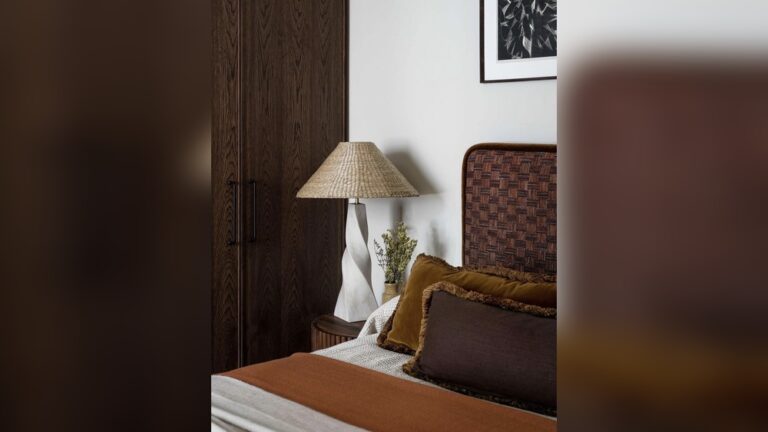
Credit: www.elledecor.com
Calming Blues
Blues create a calm and focused environment in classrooms. Shades like light blue and pastel blue help students feel safe and secure. These colors reduce stress and support concentration during lessons.
Using blue tones can also bring serenity to busy classroom spaces. They balance energy and calmness, making it easier for students to absorb information. Soft blues work best for younger children, while deeper blues suit older students.
| Shade | Effect | Best Use |
|---|---|---|
| Light Blue | Promotes safety and calm | First to third grade classrooms |
| Pastel Blue | Encourages relaxation and focus | Quiet study areas |
| Deep Blue | Boosts concentration and serenity | Older students’ classrooms |
Refreshing Greens
Sage and soft greens create a calm and balanced classroom. These colors help students focus and concentrate better. The gentle tones reduce stress and make the room feel welcoming.
These shades are perfect for walls and accents. They work well with natural light and wooden furniture. Sage green is not too bright, so it won’t distract children during lessons.
Soft greens encourage a peaceful mood. This mood helps students stay calm during tests and group work. Teachers also find these colors soothing for long days.
Energizing Yellows
Warm yellow tones create a cozy, inviting space for learning. They spark creativity and make students feel comfortable. Using yellow on accent walls adds a splash of energy without overwhelming the room.
Yellow details on furniture or bulletin boards brighten the space and keep students engaged. These accents help focus attention on important areas. The balance between warmth and vibrancy encourages active participation and happy moods.
Vibrant Reds And Oranges
Vibrant reds and oranges are great for grabbing and holding students’ attention. These colors boost energy and make the classroom feel lively. Bright reds can increase excitement and help students stay focused during lessons. Oranges add warmth and friendliness to the space.
These colors work best in collaborative areas where students talk and share ideas. They encourage active participation and creativity. Using reds and oranges in group spaces helps students feel more engaged and ready to learn together.
Soothing Pastels
Soft blues and pinks create a calm and welcoming space for younger students. These pastel colors help children feel safe and relaxed, which supports better focus. Light blue often gives a sense of security and peace.
Pink tones add a gentle, warm touch that encourages kindness and patience. These colors are perfect for classrooms with children in grades one through three. They avoid overstimulation while still keeping the room bright and cheerful.
Using these shades can make students feel comfortable and ready to learn. Soft pastels also reduce anxiety and create a friendly environment. The result is a space where young learners can grow and explore with confidence.
Neutral Tones
Neutral tones like beige, soft gray, and warm white create a calm and peaceful classroom. These colors help students focus without distractions. They work well as a base color to balance brighter accents.
Creating harmony means mixing neutral tones with gentle shades of blue or green. These colors promote calmness and make the room feel welcoming. Such combinations can reduce stress and improve concentration.
Balancing bold colors with neutrals prevents the room from feeling too busy. Bright colors like yellow or orange can be added in small doses. For example, a yellow bulletin board or orange chairs bring energy without overwhelming students.
| Neutral Tone | Effect | Best Paired With |
|---|---|---|
| Beige | Creates warmth and comfort | Soft blues, greens |
| Soft Gray | Encourages focus and calm | Bright yellows, oranges |
| Warm White | Brightens space without glare | Pastel blues and greens |
Color Schemes That Work
Analogous and monochromatic color schemes create calm and focus in classrooms. These schemes use colors next to each other on the color wheel or different shades of one color. Soft blues and greens help students feel relaxed and ready to learn. Light blues bring a sense of safety and calmness.
Complementary and triadic schemes use colors opposite each other or three colors evenly spaced on the wheel. These schemes add energy and creativity. Red, orange, and yellow spark attention and active participation. Using these colors in group areas encourages conversation and teamwork.
| Scheme Type | Colors Used | Effect in Classroom |
|---|---|---|
| Analogous | Colors next to each other (e.g., blue, green) | Calm, focus, and relaxation |
| Monochromatic | Different shades of one color (e.g., light blue) | Sense of safety and calm |
| Complementary | Opposite colors (e.g., blue and orange) | Energy, creativity, and attention |
| Triadic | Three colors evenly spaced (e.g., red, yellow, blue) | Balance, excitement, and teamwork |
Colors For Special Needs
Blues and greens are perfect for students with ADHD. These colors help calm the mind and improve focus. Soft shades of blue and green create a peaceful classroom environment. They reduce anxiety and make it easier for kids to concentrate. Such colors also bring a sense of balance and relaxation.
Muted browns add a feeling of comfort and security. These shades help children feel safe and grounded. Soft brown tones work well as background colors. They do not distract or overwhelm students. Together, these colors create a welcoming and soothing space for special needs learners.
Creative Spaces
Using coral and warm accents in art rooms creates an inviting atmosphere. Coral adds a soft energy that encourages creativity without being too bright. Warm colors like orange and red help students feel enthusiastic and active during lessons.
Pair coral with neutral tones such as beige or light gray. This combination balances warmth and calmness. It also allows artwork and projects to stand out.
Keep walls mostly light with coral used on one feature wall or in small details. This avoids overwhelming the space while still adding inspiration and warmth.
- Use coral for bulletin boards or trim
- Add warm-colored furniture or storage bins
- Include natural light to enhance warm tones
- Combine with cool colors like soft blue for balance
Credit: www.kritinova.in
Classroom Zones
The Smart Board area works best with white walls. White helps keep the room bright and lets the screen stand out. It also creates a clean, clear space for lessons.
Using different colors for classroom zones helps students know where to focus. For example, calm blue or green areas support quiet study and focus. Warm colors like yellow or orange can be used in group zones to encourage creativity and talking.
| Zone | Color | Purpose |
|---|---|---|
| Smart Board | White | Clear focus, bright space |
| Quiet Study | Blue or Green | Calm, helps concentration |
| Group Work | Yellow or Orange | Encourages creativity, conversation |
Inspiring Color Combinations
Combining warm and cool tones creates a balanced classroom atmosphere. Warm colors like red, orange, and yellow increase energy and attention. Cool tones such as blue and green bring calm and focus. Many successful classrooms use light blue walls for a feeling of safety.
Pastel shades work well for younger students, helping them feel relaxed. Using a mix of colors keeps the room lively but not overwhelming. For example, a blue wall paired with orange accents can boost creativity and conversation.
| Color | Effect | Usage in Classrooms |
|---|---|---|
| Blue | Calm, Focus | Walls, Study Areas |
| Green | Balance, Relaxation | Reading Corners |
| Yellow | Warmth, Energy | Accent Walls, Art Spaces |
| Orange | Creativity, Social Interaction | Collaboration Zones |
Practical Painting Tips
Durable paints are essential for busy classrooms. Choose paints that resist scratches, stains, and fading. This keeps walls looking fresh for a long time. Matte or satin finishes hide marks better than glossy ones.
Maintaining color vibrancy means cleaning walls gently. Use soft cloths and mild soap. Avoid harsh chemicals that can dull paint. Touch up spots quickly to prevent peeling or chipping.
Bright colors like blue and green stay vibrant with quality, washable paints. These colors help students stay calm and focused. Warm accents like yellow boost energy without overwhelming the space.

Credit: www.amazon.in
Frequently Asked Questions
What Is The Best Color To Paint A Classroom?
The best classroom colors are calming blues and greens, promoting focus and creativity. Soft pastels also work well for young students. Bright accents like yellow or coral add energy without distraction. Neutral tones balance the space and create harmony.
What Colors Stimulate Learning?
Colors like blue and green promote calm and focus, enhancing learning. Warm colors such as red, orange, and yellow boost attention and creativity. Pastel hues suit young learners by creating a soothing environment. Combining these colors balances energy and concentration effectively.
What Are The 7 Major Color Schemes?
The 7 major color schemes are: analogous, monochromatic, complementary, split-complementary, triadic, tetradic, and square.
What Colors Are Soothing For Adhd?
Soothing colors for ADHD include soft blues, greens, and muted browns. These tones promote calm, focus, and balance.
Conclusion
Choosing the right paint colors can shape a positive learning space. Blues and greens help students stay calm and focused. Warm colors like yellow and orange keep energy high and attention sharp. Soft pastels work well for younger children, creating a gentle environment.
Combining these colors brings balance and harmony to classrooms. Thoughtful color choices inspire creativity and encourage active participation. Bright, cheerful walls make learning more inviting and enjoyable. Remember, color influences mood and behavior in subtle ways. Use these colors wisely to support student success every day.