23 Iconic 1960S Hairstyles That Defined a Fashion Era: Timeless Trends
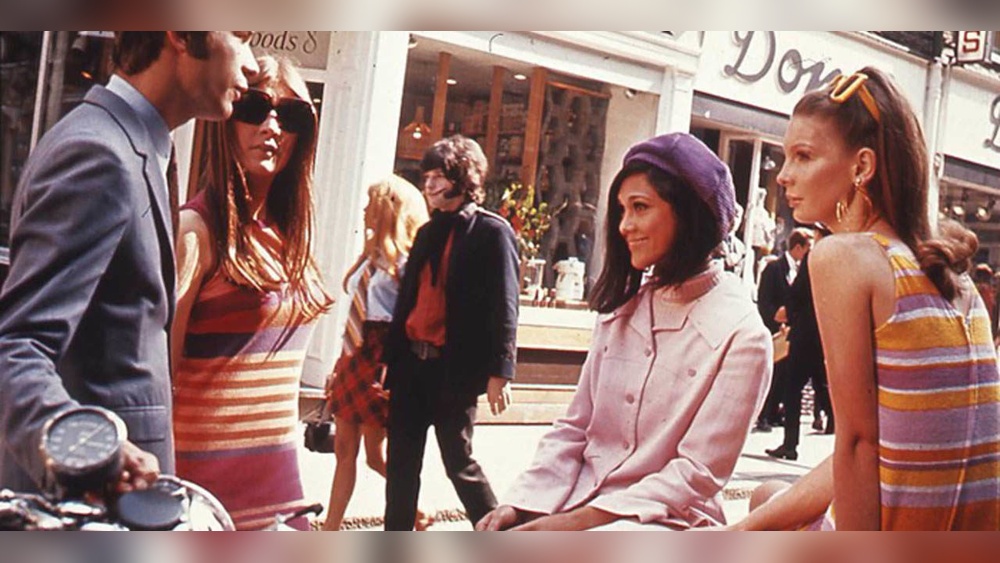
Step into a world where hair wasn’t just hair—it was a statement. The 1960s brought bold changes, and your hairstyle was at the heart of it all.
Whether you’re looking for inspiration or just curious about the looks that shaped a generation, these 23 iconic 1960s hairstyles will grab your attention. From towering beehives to cool mop tops, each style tells a story of rebellion, glamour, and creativity.
Ready to discover which hairstyles defined this unforgettable fashion era—and maybe find one that speaks to your own style? Keep reading, because your next favorite look is waiting.

Credit: www.amazon.com
Beehive
The Mop Top hairstyle had a rounded shape with a fringe that often covered the eyes. It became a symbol of rebellion against the strict, conservative styles of the time. This haircut was not just a look but a cultural movement that influenced music and youth culture deeply.
| Key Features | Famous Wearers |
|---|---|
|
|
:max_bytes(150000):strip_icc():focal(659x822:661x824)/twiggy-2-ceb597bb17424def8f93e3e11bf30825.jpg)
Credit: people.com
The Mop Top
The pixie cut was a bold choice that challenged traditional beauty standards. It symbolized freedom and independence for women in the 1960s.
Many variations existed, from sleek and smooth to textured and messy styles. Some had longer bangs, while others were cropped close to the head. This versatility made pixie cuts popular among different personalities.
Famous figures like Audrey Hepburn, Twiggy, and Mia Farrow helped popularize the pixie cut. Their unique looks inspired many to try the daring short hairstyle.
Afros
Headbands were a key accessory in the 1960s. They added charm and kept hair in place. Popular styles included thin ribbons, wide fabric bands, and jeweled pieces. Bright colors and bold patterns made headbands stand out.
Scarves wrapped around the head or tied under the chin created a chic look. They matched outfits or added a pop of color. Silk and cotton were common materials.
Hair clips and barrettes decorated hairstyles with pearls, flowers, or simple shapes. They helped create neat or playful styles.
| Styling Ideas | Iconic Looks |
|---|---|
| Wear a colorful headband with a beehive | Brigitte Bardot’s voluminous hair with a headband |
| Wrap a scarf around a ponytail | Audrey Hepburn’s elegant headscarf style |
| Use pearl clips on soft waves | Classic 60s soft curls with decorative clips |
Long, Soft Waves
Twist hairstyles involve twisting sections of hair to create volume and texture. They can be done on short or long hair. Common techniques include two-strand twists and rope twists. These styles often use natural hair or can be created with extensions.
Popular variations include the Senegalese twists, Havana twists, and Marley twists. Each type differs in thickness and length. Some twists are worn loose, while others are styled into updos or ponytails.
Twist hairstyles hold cultural importance, especially in African and African-American communities. They represent heritage, identity, and pride. During the 1960s, twists became a symbol of embracing natural beauty and rejecting mainstream standards.
Side-swept Bangs
Wedges were a bold hairstyle popular in the 1960s. They had a clear shape with short layers at the back and longer hair in front. The style gave a sharp, angled look that stood out.
Defining Features included stacked layers that created volume and a sleek finish. The hair was often blow-dried upward and outward, making the wedge shape visible. It was neat but lively, perfect for a modern look.
Styling Guide suggests using a round brush and blow dryer to shape layers. Adding light hairspray helped keep the style all day. Regular trims kept the angles sharp and clean.
Famous Personalities like Twiggy and Nancy Sinatra made wedges famous. Their photos show how this cut matched the youthful and energetic vibe of the 1960s. Many admired their fresh and stylish look.
Pixie Cuts
Bouclé curls are tight, springy curls known for their lively texture. Curl maintenance includes using gentle shampoos and conditioners to keep curls soft. Avoid brushing dry curls to prevent frizz and damage. Instead, use a wide-tooth comb or fingers while wet.
Styling ideas often involve leaving curls natural for volume or pinning some back for a classic look. Using light mousse or curl cream helps hold shape without stiffness. Hairpins and headbands were popular accessories.
Popular in the 60s, bouclé curls appeared in many iconic hairstyles. Stars wore these curls to add personality and flair. The style matched the era’s bold and playful fashion trends perfectly.
Bouffant
Hair wraps and scarves were a stylish way to protect hair in the 1960s. Tying a scarf around the head added a pop of color and fun. They worked well with long, straight hair or even short cuts. Scarves could be wrapped in many ways: as a headband, a turban, or tied under the chin for a chic look.
Popular trends included bright floral prints and bold geometric patterns. Silk and cotton were common materials for scarves. Many women paired scarves with big sunglasses for a classic 60s look.
| Iconic Photos | Description |
|---|---|
| Audrey Hepburn in “Breakfast at Tiffany’s” | Wore a black silk scarf as a headband with elegant makeup. |
| Brigitte Bardot | Styled hair with a floral scarf tied at the neck or on the head. |
| Jackie Kennedy | Often seen with pastel-colored scarves wrapped around her bouffant hair. |
Flip Hair
Start with clean, dry hair. Section the hair at the crown.
Twist each section tightly and pin it close to the scalp.
Roll the ends inward to create a smooth, rounded shape.
Secure with bobby pins and hairspray for hold.
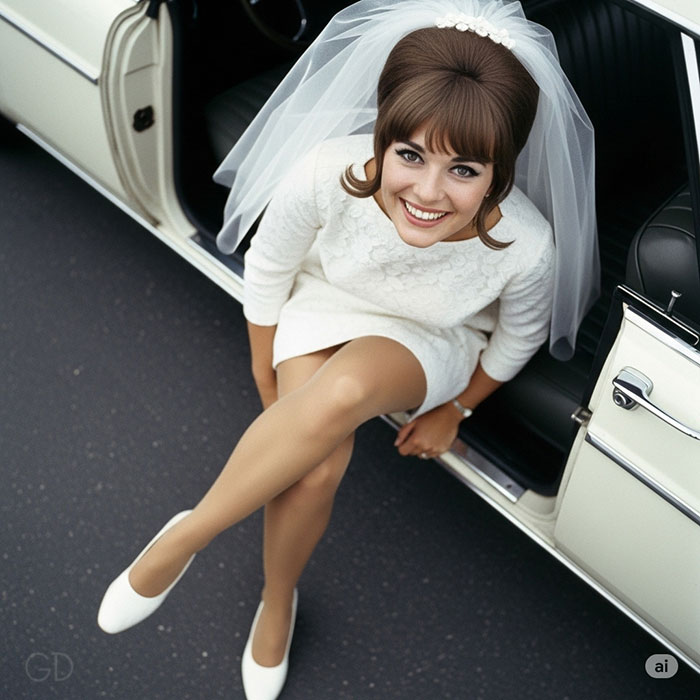
These updos suit formal events like weddings and parties.
They add elegance and vintage charm to any outfit.
| Famous Examples | Details |
|---|---|
| Brigitte Bardot | Known for voluminous twist and roll styles with bangs. |
| Audrey Hepburn | Elegant updos with neat rolls, perfect for evening wear. |
| Jane Fonda | Soft twists combined with loose rolls for a casual look. |
Credit: glamourdaze.com
Frequently Asked Questions
What Were The Iconic Hairstyles Of The 60s?
Iconic 60s hairstyles included the Beehive, Mop Top, Afros, and long, soft waves with side-swept bangs.
What Was The Hair Style In The 1960s Called?
The 1960s featured iconic hairstyles like the Beehive, the Mop Top, and voluminous Afros. These styles symbolized rebellion and cultural change.
What Hairstyle Became Popular In The 1960s As A Symbol Of Rebellion?
The Mop Top hairstyle became popular in the 1960s as a symbol of rebellion against conservative norms.
Who Were The Biggest 60s Hair Icons?
The biggest 60s hair icons included Brigitte Bardot, Twiggy, and The Beatles with their mop-top hairstyles. Jackie Kennedy popularized the beehive look. Farrah Fawcett’s feathered waves also defined the decade’s style.
Conclusion
The 1960s brought bold and creative hairstyles that still inspire today. Each look told a story of change and freedom. From the towering beehive to the casual mop top, styles defined a vibrant era. These hairstyles show how fashion and culture connect deeply.
Exploring these looks helps us appreciate the past’s influence on modern trends. Embracing vintage styles can add fun and flair to your own hair. The 1960s remain a rich source of style ideas worth remembering.