
18 Whole Food Breakfast Ideas: Energize Your Mornings Naturally
Looking for breakfast ideas that truly fuel your day? You’re in the right place.
These 18 whole food breakfast ideas are simple, delicious, and packed with nutrients to keep you energized and satisfied. Whether you’re short on time or love taking a moment to cook, you’ll find options that fit your morning routine perfectly.
Say goodbye to sugary, processed breakfasts and hello to meals that support your health and taste buds. Ready to transform your mornings? Keep reading and discover how easy it is to start your day the whole food way.

Credit: www.100daysofrealfood.com
Benefits Of Whole Food Breakfasts
Whole food breakfasts provide steady energy for the morning. They help keep blood sugar levels balanced, which avoids sudden energy drops and cravings. Eating whole foods like fruits, vegetables, whole grains, and nuts supplies the body with important vitamins, minerals, and fiber. These nutrients support brain function, digestion, and overall health. A balanced breakfast with whole foods can improve mood and concentration throughout the day. It also helps prevent overeating later by keeping you full longer. Choosing whole foods over processed options reduces intake of added sugars and unhealthy fats. Starting the day with these foods sets a healthy tone for all meals that follow.
Simple Whole Food Ingredients
Fresh fruits and vegetables make breakfast colorful and full of vitamins. Apples, berries, spinach, and tomatoes are easy to add. They bring natural sweetness and crunch.
Whole grains and nuts provide energy and fiber. Oatmeal, whole wheat bread, and brown rice are good choices. Nuts like almonds and walnuts add healthy fats and protein.
Protein sources help keep you full longer. Eggs, Greek yogurt, and beans work well. They support muscle health and keep energy steady throughout the morning.
Quick Smoothie Ideas
Green smoothies blend spinach, kale, and cucumber for a fresh start. Add banana or apple to sweeten naturally. A splash of almond milk makes it creamy and smooth. These drinks are full of vitamins and fiber to energize your morning.
Berry blends mix strawberries, blueberries, and raspberries for a tasty, colorful drink. Use Greek yogurt or plant-based yogurt to add creaminess and protein. These smoothies are rich in antioxidants, which help keep your body healthy.
Protein-packed smoothies combine protein powder, peanut butter, and oats. Add a banana or a handful of spinach for extra nutrients. These drinks keep you full longer and support muscle health. Perfect for busy mornings or after workouts.

Credit: www.amazon.com
Hearty Egg-based Breakfasts
Scrambled eggs with veggies make a quick, tasty breakfast. Use bell peppers, spinach, and tomatoes for color and nutrients. Cook eggs gently for soft texture. Veggies add fiber and vitamins.
Omelets loaded with greens are filling and healthy. Add kale, arugula, or Swiss chard. These greens boost iron and antioxidants. Fold in cheese or herbs for extra flavor.
Boiled and poached eggs offer simple, protein-rich options. They keep well and are easy to eat on the go. Serve with whole grain toast or fresh fruit for balance.
Nut Butter And Toast Combos
Avocado toast variations offer a fresh twist on classic nut butter toast. Spread mashed avocado on toasted whole grain bread, then add a drizzle of honey or a sprinkle of chili flakes for flavor. You can also layer sliced tomatoes or radishes on top for extra crunch and nutrients.
Whole grain bread with nut butters creates a hearty and nutritious start to your day. Choose almond, peanut, or cashew butter for a rich source of protein and healthy fats. Toast the bread lightly to bring out its nutty flavor and to keep it crunchy under the smooth spread.
Adding fresh fruit toppings boosts sweetness and vitamins. Try banana slices, strawberries, or blueberries on your nut butter toast. This combo adds natural sugars and fiber, making your breakfast both tasty and balanced. A sprinkle of chia seeds or cinnamon can enhance texture and taste.
Credit: www.citymarket.com
Warm Grain Bowls
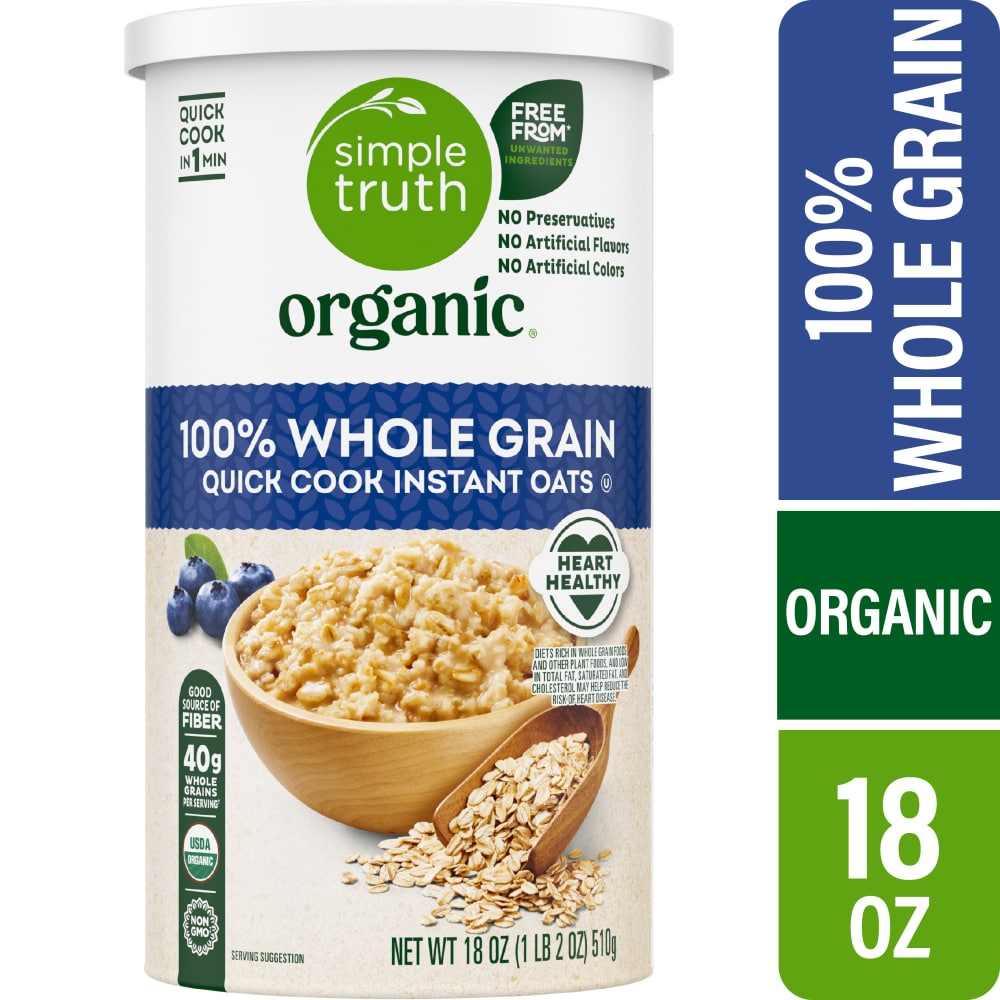
Oatmeal with nuts and seeds offers a warm, filling start to the day. Use rolled oats cooked with water or milk. Top with a mix of almonds, walnuts, chia seeds, and flaxseeds. This adds crunch, healthy fats, and protein. Sweeten lightly with honey or fresh fruit.
Quinoa breakfast bowls are a great gluten-free option. Cook quinoa in milk or a plant-based alternative for creaminess. Add cinnamon and vanilla for flavor. Top with fresh berries, sliced bananas, and a handful of pumpkin seeds for extra nutrients.
Millet and amaranth options bring variety to warm grain bowls. Cook these grains until soft and fluffy. Mix in chopped apples or pears and a sprinkle of cinnamon. Add nuts like pecans or cashews to boost texture and nutrition. Drizzle with maple syrup for sweetness.
Portable Breakfast Ideas
Homemade energy bars are easy to carry and keep you full. Mix oats, nuts, seeds, honey, and dried fruit. Press into a pan and chill until firm. Cut into bars for a quick grab-and-go meal.
Overnight oats are simple to prepare the night before. Combine rolled oats, milk or yogurt, and fruit in a jar. Let it sit in the fridge overnight. Grab it in the morning for a tasty, ready-to-eat breakfast.
Fruit and nut mixes offer a crunchy and sweet option. Combine your favorite nuts like almonds and walnuts with dried fruits like raisins or cranberries. Store in small containers or bags. Perfect for snacking or a quick breakfast boost.
Gluten-free And Dairy-free Options
Alternative grains like quinoa, buckwheat, and amaranth provide great gluten-free options. They are rich in fiber and protein, keeping you full longer. Try cooking them as porridge or mixing into pancakes for variety.
Plant-based milk choices include almond, coconut, oat, and rice milk. These milks are naturally dairy-free and add creamy texture to cereals or smoothies. Pick unsweetened versions to avoid extra sugar.
Refined sugar-free sweeteners such as honey, maple syrup, and dates offer natural sweetness. These options add flavor without processed sugars. Use them sparingly to keep breakfast healthy and balanced.
Meal Prep Tips For Busy Mornings
Batch cooking saves time by preparing several meals at once. Cook grains, eggs, or vegetables in large amounts. Store them in airtight containers for easy access. Use clear labels with dates to keep track.
Storing and reheating are important for freshness. Keep foods in the fridge or freezer based on how soon you’ll eat them. Reheat gently to keep taste and texture. Avoid overheating to prevent dryness.
Planning balanced meals means mixing protein, fiber, and healthy fats. Combine eggs or yogurt with fruits and whole grains. This keeps energy steady and hunger away longer. Think about color and variety for nutrients.
Incorporating Seasonal Ingredients
Spring and summer breakfasts often include fresh berries, peaches, and leafy greens. These ingredients provide natural sweetness and a boost of vitamins. Try mixing strawberries with yogurt or adding spinach to your morning omelet.
Fall and winter meals feature root vegetables, squash, and citrus fruits. These foods bring warmth and rich flavors. Roasted sweet potatoes or a grapefruit salad make great seasonal choices.
Choosing local and organic ingredients supports health and environment. Local produce tastes fresher and contains more nutrients. Organic options reduce exposure to pesticides, making your breakfast cleaner and safer.
Frequently Asked Questions
What Are Some Quick Whole Food Breakfast Ideas?
Quick whole food breakfasts include smoothies, oatmeal, and scrambled eggs with veggies. These options are nutritious and easy to prepare in under 10 minutes.
How Do Whole Food Breakfasts Benefit Your Health?
Whole food breakfasts provide fiber, protein, and essential nutrients. They support balanced blood sugar, sustained energy, and improved digestion throughout the day.
Can Whole Food Breakfasts Be Gluten And Dairy Free?
Yes, many whole food breakfasts naturally exclude gluten and dairy. Examples include fruit smoothies, avocado toast on gluten-free bread, and vegetable omelets.
What Ingredients Make A Balanced Whole Food Breakfast?
A balanced whole food breakfast combines protein, healthy fats, and complex carbs. Include eggs, avocado, whole grains, fruits, and vegetables for optimal nutrition.
Conclusion
Starting your day with whole food breakfasts nourishes your body and mind. These 18 ideas offer variety, taste, and balanced nutrition. Simple ingredients create meals that keep you full and energized. Enjoy exploring new flavors while supporting your health. Make whole food breakfasts a regular part of your routine.
Small changes lead to lasting benefits. Eat well, feel better, and embrace a healthier lifestyle every morning.