10 Eggcellent Inside Chicken Coop Designs for the Feathery Bunch: Ultimate Comfort Ideas
Are you ready to give your feathery friends the perfect home? Whether you’re a seasoned chicken keeper or just starting out, the right coop design can make all the difference.
Imagine a cozy, safe, and stylish space where your hens feel comfortable and happy—resulting in healthier chickens and more delicious eggs for you. You’ll discover 10 eggcellent inside chicken coop designs that balance function and flair. From clever layouts to smart ventilation and easy cleaning features, these ideas will inspire you to create the ultimate haven for your flock.
Keep reading to find the perfect design that fits your space, budget, and style—and watch your chickens thrive like never before!
Coop Layouts
Space optimization in chicken coops means using every inch wisely. A well-planned layout allows chickens to move freely while saving room. Use vertical space by adding perches at different heights. Nesting boxes can be stacked or placed under roosts to save floor space. Keep feeders and waterers in spots easy to reach but out of the way. This prevents crowding and keeps the coop clean.
Accessibility features make caring for chickens easier. Large doors help you enter the coop comfortably to clean or collect eggs. Removable trays or floors simplify daily maintenance. Windows or vents placed low allow fresh air to flow without drafts. Ramp access helps chickens move between levels safely. These features keep the coop safe and convenient for both you and your feathery friends.
Ventilation Systems
Natural airflow helps keep the chicken coop fresh and dry. Open windows or vents placed high and low allow cool air in and warm air out. Cross-ventilation is key. It moves air through the coop, preventing moisture buildup and reducing odors.
Mechanical options include fans or exhaust systems. These help when natural airflow is not enough, especially in hot weather or crowded coops. Fans should run quietly to avoid stressing the birds. Timers or thermostats can control fan operation for energy efficiency.
| Ventilation Type | Advantages | Considerations |
|---|---|---|
| Natural Airflow | Low cost, easy to install, works without power | Needs good design and placement of vents |
| Mechanical Options | Effective in extreme heat, controls airflow better | Requires electricity, regular maintenance |
Lighting Solutions
Natural light is the best way to keep your chickens happy and healthy. Large windows or skylights let sunlight in, which helps chickens lay more eggs. It also keeps the coop warm during chilly days. Place openings where the sun shines most in the morning.
Artificial lighting extends daylight hours, especially in winter. Use soft, warm lights to mimic the sun. LED bulbs work well because they use less energy and last longer. Avoid bright or harsh lights that can stress chickens. Set timers to keep the light on for 14 to 16 hours daily. This encourages steady egg production.
Perching Designs
Folding perches help save space inside the chicken coop. They can be lifted up when not in use. This keeps the floor clear and easy to clean.
These perches must be sturdy and safe for chickens to grip. Smooth wood or rounded edges prevent foot injuries. The height should be easy for chickens to reach.
Comfort is key. Perches should be wide enough for chickens to rest without crowding. Proper spacing avoids fights or falls.
Folding designs add flexibility. They allow more room during cleaning or for other activities. This makes the coop safer and more comfortable for the feathery bunch.
Door Styles
Easy access doors make daily chores simple and quick. Wide openings allow you to reach inside without stress. Sliding or hinged doors are popular choices. They save space and reduce effort when cleaning or collecting eggs.
Security measures protect your chickens from predators. Use strong locks and latches that animals cannot open. Wire mesh or metal guards on doors stop raccoons and foxes. A door that fits tightly prevents unwanted guests from sneaking in.
Feeding Stations
Automatic feeders save time by providing food nonstop. They release feed slowly, keeping it fresh and clean. These feeders reduce waste and stop chickens from scattering food everywhere. Many models hold a large amount of feed, so fewer refills are needed. Automatic feeders work well for busy owners or large flocks.
Manual feeding areas offer more control over feed portions. You can adjust food type and amount daily. These areas are simple to clean and maintain. Manual feeders often include trays or bowls that chickens easily access. They are perfect for small flocks or those who enjoy hands-on care.
| Feeding Type | Pros | Cons |
|---|---|---|
| Automatic Feeders | Less work, less waste, keeps feed clean | Higher initial cost, needs power or gravity system |
| Manual Feeding Areas | More control, easy to clean, low cost | Requires daily refilling, more time needed |
Predator Protection
Barrier options help keep predators out of the chicken coop. Use strong wire mesh like hardware cloth with small holes. This stops raccoons, foxes, and snakes from entering. Bury the mesh at least 12 inches deep to block digging animals. Adding a solid fence around the coop adds extra security.
Alarm systems alert you if a predator tries to enter. Motion sensors trigger loud sounds or flashing lights. These scare animals away before they get close. Some alarms connect to your phone for instant alerts. Combining alarms with barriers creates a safer home for your chickens.
Brooding Zones
Warmth control is key in brooding zones to keep chicks safe and healthy. Use heat lamps or heated pads to provide steady warmth. Keep the temperature around 95°F for the first week, then lower it by 5°F each week. Avoid drafts that can chill the chicks. Insulate the coop walls if needed to keep heat in.
Privacy helps reduce stress for brooding hens and chicks. Create cozy corners with partial walls or curtains. These quiet spaces give hens a sense of safety and encourage natural behaviors. Make sure the areas are easy to access for cleaning and feeding. Privacy zones should be calm and shielded from loud noises or bright lights.
Nesting Boxes
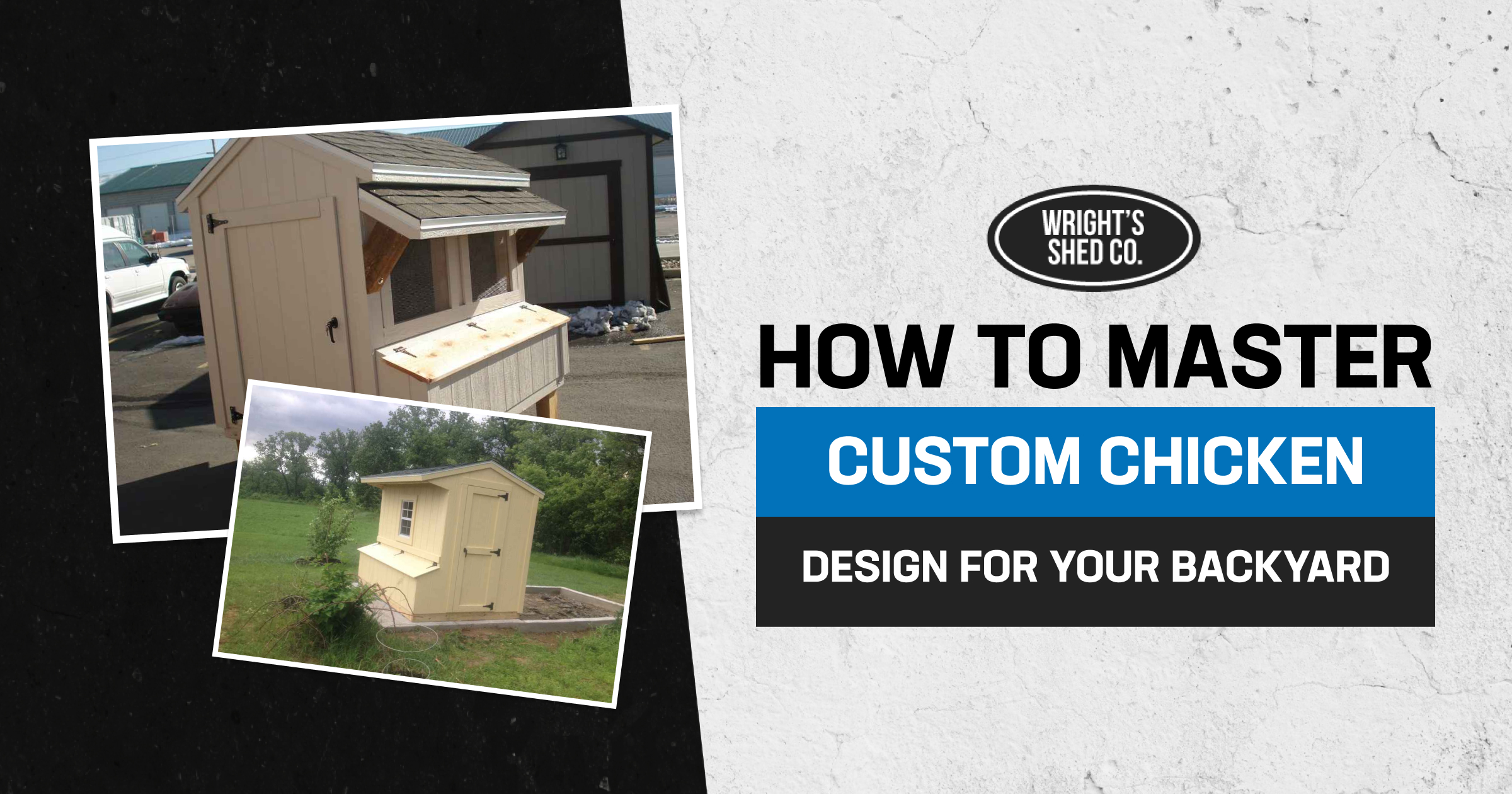
Nesting boxes come in many design variations. Some have slanted roofs to keep bedding dry. Others use plastic trays for easy cleaning. Wood boxes offer a natural look and good insulation. Size matters; boxes should be large enough for hens to sit comfortably. A cozy space helps hens lay eggs calmly.
Placement tips are key for happy hens. Boxes should be off the ground, about 18 inches high. Place them in a quiet, dim corner of the coop. Avoid direct sunlight or drafts to keep eggs safe. Group boxes in one area to make egg collection easy. Easy access means less disturbance to hens.
Credit: www.wrightsheds.com
Climate Control
Heaters help keep chickens warm during cold days. Choose a safe heater made for chicken coops. Avoid heaters that can cause fires. Place heaters where chickens cannot touch them. Use thermostats to keep the temperature steady. Too much heat can be bad for chickens.
Insulation techniques keep the coop warm and save energy. Use materials like foam boards or straw bales in walls. Cover windows with plastic to stop drafts. Insulation helps keep the heat inside and cold outside. Proper insulation also keeps the coop cooler in summer.
Watering Systems
Automatic waterers keep water fresh and clean without much work. They connect to a water source and refill bowls as chickens drink. This system saves time and prevents spills. It is best for larger flocks and busy keepers.
Manual options include simple water containers or bowls. These need daily refilling and cleaning. They are cheaper and easy to move but require more effort. Manual waterers work well for small flocks or hobbyists.
| Type | Pros | Cons |
|---|---|---|
| Automatic Waterers | Less work, clean water, consistent supply | Higher cost, needs water hookup |
| Manual Waterers | Inexpensive, easy to move | Needs daily refilling, more cleaning |

Credit: easycoops.com
Cleaning And Maintenance
Easy cleaning features make coop maintenance simple and fast. Large doors allow quick access for sweeping and removing droppings. Smooth surfaces prevent dirt build-up and make wiping easier. Removable trays catch waste, reducing mess and odor. Proper ventilation helps dry moisture, keeping the coop fresh. Installing feeders and waterers outside limits spills inside.
Bedding choices affect cleaning frequency and chicken comfort. Straw and wood shavings absorb moisture well and are easy to replace. Sand is a natural option that drains water quickly and controls odors. Avoid using wet or dusty bedding to keep hens healthy. Change bedding regularly to prevent bacteria growth and pests.

Credit: www.buffclucks.com
Frequently Asked Questions
What Are Common Chicken Coop Design Mistakes?
Common chicken coop design mistakes include poor ventilation, difficult cleaning access, insufficient space, weak predator protection, and lack of proper lighting.
What Is The Ideal Chicken Coop Layout?
The ideal chicken coop layout includes nesting boxes, roosting perches, proper ventilation, easy access doors, and a secure run. Ensure enough space for chickens to move comfortably and for easy cleaning. Good lighting and predator protection enhance safety and health.
How Big Should A 10 Chicken Coop Be?
A 10-chicken coop should have at least 40-50 square feet inside the coop. Provide 4 square feet per chicken for comfort.
What Is The Best Bedding For Inside A Chicken Coop?
The best bedding for a chicken coop is pine shavings. They absorb moisture well, control odor, and are safe for chickens. Avoid cedar, as its oils can harm birds. Straw and hay work but retain moisture more, requiring frequent cleaning.
Change bedding regularly to keep the coop clean and dry.
Conclusion
Choosing the right chicken coop design makes a big difference. A well-planned coop keeps chickens safe and comfortable. Good ventilation and easy access help maintain cleanliness. Nesting boxes and perches add to their happiness. Simple features can improve egg production too.
These designs suit both beginners and experts. Start with one idea and customize it as needed. Your feathery friends will thank you for it. Enjoy building a cozy home for your flock!