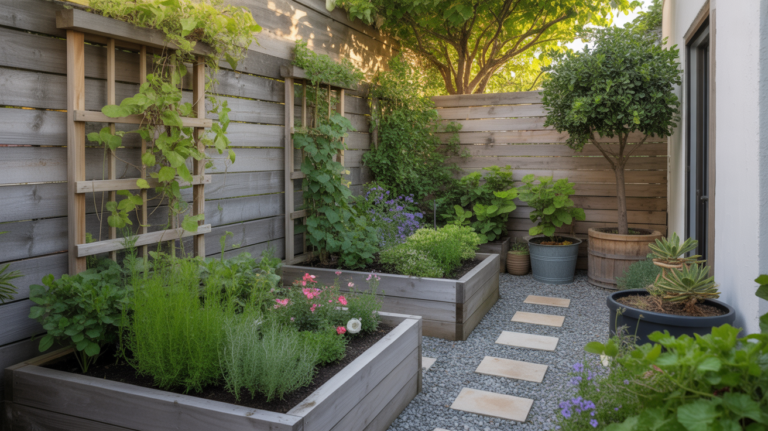
24 Garden Borders Ideas That Define Your Landscape With Style and Structure
When I first started working on my garden, I didn’t realize how much of a difference borders could make. I used to think plants alone were enough, but once I added defined edges, everything instantly looked more polished, organized, and intentional. If you’ve ever felt like your garden looks a little “unfinished,” I promise you—this is the missing piece.
The beauty of garden borders is that they don’t just improve how your space looks—they also make maintenance easier, protect your plants, and help you create a flow that feels calm and inviting. Whether you want something modern, rustic, or romantic, I’ve tried many of these ideas myself, and I’m excited to walk you through the ones that truly make a difference.
1. Classic Brick Borders
I’ve always loved using brick borders because they instantly bring a timeless charm to any garden. When I lined my flower beds with bricks, it created a clean separation between the lawn and plants, making everything look neat without trying too hard. You can lay them flat for a subtle look or angle them for more texture. What I appreciate most is how durable they are—they hold up through seasons and require very little maintenance. If you want a balance between traditional and practical, this is a safe and stylish choice.
2. Natural Stone Edging
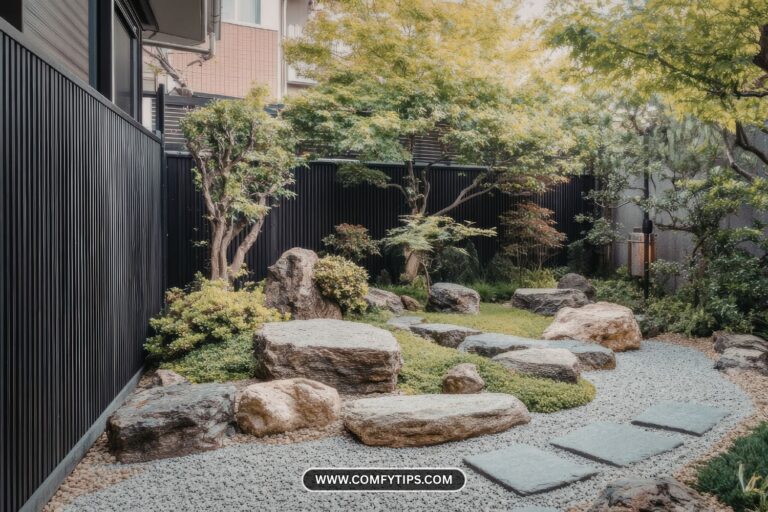
There’s something incredibly calming about using natural stone. I tried this in a small section of my garden, and it immediately gave it that organic, earthy feel. Each stone is unique, which adds character and depth. I like how it blends seamlessly with greenery instead of competing with it. It does take a bit more effort to arrange, but the final look feels so worth it. This option works beautifully if you want a garden that feels like a peaceful retreat.
3. Wooden Log Borders
When I wanted a cozy, cottage-style look, wooden logs were my go-to. They add warmth and softness that other materials just can’t match. I’ve used both horizontal and vertical placements, and each gives a slightly different vibe. Over time, the wood weathers naturally, which actually adds to its charm. If you love that relaxed, countryside feel, this is something you’ll truly enjoy.
4. Metal Garden Edging
If you prefer something sleek and modern, metal edging is surprisingly effective. I added this along a pathway, and it created such a crisp, clean line that made the entire space feel more structured. It’s thin, so it doesn’t distract from your plants, but it still does its job beautifully. I’ve found it especially useful for keeping grass from creeping into flower beds. It’s simple, but the impact is strong.
5. Gravel Borders
Gravel borders are one of the easiest upgrades I’ve tried. I used them to frame a small seating area, and it instantly made the space feel intentional. What I love is how flexible it is—you can shape it however you want. It also improves drainage, which is a big plus. If you want something low-cost but visually effective, gravel is a great option to explore.
6. Raised Garden Bed Borders
Creating raised borders completely transformed how I view my garden. I built a few raised beds, and not only did they look structured, but they also made planting and maintenance so much easier. You don’t have to bend as much, and everything feels more organized. I especially recommend this if you’re growing herbs or vegetables alongside flowers.
7. Flower-Filled Borders
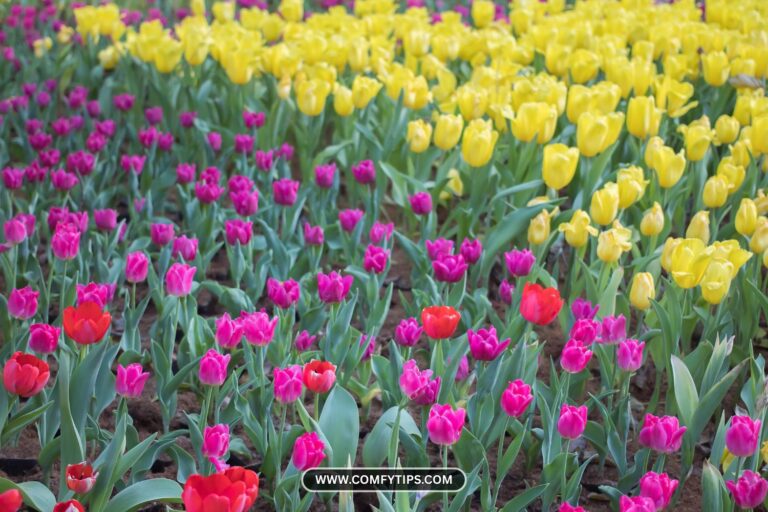
One of my favorite ways to define a garden is simply by using plants themselves. I once lined a walkway with low-growing flowers, and it created the softest, most romantic edge. It doesn’t feel rigid—it feels alive. You can mix colors and textures to match your personality. This is perfect if you want your borders to feel natural and full of life.
8. Concrete Edging
Concrete might sound a bit plain, but when I tried it, I realized how versatile it actually is. You can shape it, stamp it, or even tint it to match your design. I used it for a more modern section of my garden, and it added a clean, minimalist touch. It’s also extremely durable, which makes it ideal if you want something long-lasting.
9. Recycled Material Borders
I’ve experimented with recycled materials like old bottles and reclaimed wood, and it turned out to be both creative and satisfying. It gives your garden a personal touch that feels unique to you. Plus, it’s budget-friendly and environmentally conscious. If you enjoy DIY projects, this is a fun way to express your creativity.
10. Brick and Gravel Combination
Combining materials was something I was hesitant about at first, but it worked beautifully. I paired bricks with gravel, and the contrast added depth and interest. The bricks provided structure, while the gravel softened the look. It’s a great way to make your borders stand out without overwhelming the space.
11. Curved Borders
Switching from straight lines to curves completely changed the flow of my garden. Curved borders feel more natural and inviting. I noticed that they guide the eye more gently, creating a relaxing atmosphere. If your space feels too rigid, adding curves can soften everything instantly.
12. Steel Edging for Minimalist Gardens
I tried steel edging in a small modern setup, and it gave the cleanest finish I’ve ever seen. It almost disappears visually but still keeps everything in place. I love how it complements contemporary designs without taking attention away from the plants. It’s subtle but very effective.
13. Terracotta Tile Borders
Terracotta brings warmth and a Mediterranean feel that I personally adore. When I added it to a sunny corner of my garden, it instantly felt brighter and more welcoming. The earthy tones pair beautifully with greenery. It’s a great option if you want something that feels both stylish and cozy.
14. Hedge Borders
Using small hedges as borders adds structure while still keeping everything soft and green. I planted low boxwood along a pathway, and it created a defined edge without feeling harsh. It does require some trimming, but the elegant look is absolutely worth the effort.
15. Bamboo Edging
Bamboo borders gave my garden a light, airy feel that I didn’t expect. I used them in a shaded area, and they added a subtle, natural texture. They’re easy to install and work well if you’re going for a relaxed, eco-friendly look. It’s simple but very charming.
16. Decorative Fence Borders
Sometimes a small decorative fence can do wonders. I added one around a flower bed, and it instantly made it feel like a special feature. It’s also practical if you want to keep pets or kids from stepping into delicate areas. Plus, there are so many designs to choose from.
17. Stone and Moss Borders
This is one of the most peaceful combinations I’ve tried. The stones provide structure, while the moss softens everything beautifully. It gives your garden a slightly magical, woodland feel. I love how calming it looks, especially in shaded areas.
18. Painted Wood Borders
If you want to add personality, painting wooden borders is such a fun idea. I tried soft pastel tones once, and it brought a cheerful, feminine touch to the space. You can easily change the color whenever you want a fresh look. It’s creative and flexible.
19. Layered Plant Borders
Layering plants by height is a simple trick that makes a big difference. I placed taller plants at the back and shorter ones in front, and it created a natural border that feels full and lush. It’s a great way to add depth without using hard materials.
20. Pebble Mosaic Borders
This idea takes a bit of patience, but the result is stunning. I created a small pebble mosaic border, and it became a focal point in my garden. You can design patterns or keep it simple—it’s entirely up to you. It adds an artistic touch that feels very personal.
21. Rustic Rock Borders
Large rocks can create a bold and grounded look. I used them in a corner where I wanted something strong and natural. They require almost no maintenance and blend beautifully with outdoor spaces. It’s a great option if you want something sturdy and timeless.
22. Glass Bottle Borders
This was one of my most creative experiments. I used colored glass bottles, and when the sunlight hits them, it creates a beautiful effect. It’s unique, budget-friendly, and a great way to recycle. It definitely adds character to your garden.
23. Grass and Mulch Borders
Sometimes the simplest ideas work best. I defined a border using just mulch against the grass, and it made everything look cleaner instantly. It’s easy to maintain and very affordable. If you’re just starting out, this is a great place to begin.
24. Mixed Material Borders
Mixing different materials can create a truly custom look. I combined wood, stone, and plants in one area, and it became my favorite part of the garden. It feels layered, interesting, and full of personality. Don’t be afraid to experiment—you might discover something you absolutely love.
Conclusion
From my experience, garden borders are one of the easiest ways to completely transform your outdoor space without a full makeover. They bring structure, highlight your plants, and make everything feel more intentional. Whether you prefer something natural, modern, or creative, there’s a border style that will match your vision. Start small, experiment, and most importantly—choose what makes you feel happy every time you step into your garden.
FAQs
1. What is the easiest garden border to install?
Gravel and mulch borders are the easiest to start with. They require minimal tools and can be adjusted anytime.
2. Which border is best for low maintenance?
Stone, concrete, and metal borders are great low-maintenance options because they last long and don’t need frequent upkeep.
3. How do I choose the right border style?
I usually match it with the overall garden theme. For example, natural gardens work well with stone or plants, while modern spaces suit metal or concrete.
4. Can I mix different border materials?
Yes, and I highly recommend trying it. Mixing materials adds depth and makes your garden feel more unique.
5. Do garden borders really make a difference?
Absolutely. From my experience, even a simple border can make your garden look more organized, stylish, and complete.