25 Hydrangea Landscaping Ideas: Stunning Designs for Your Garden

Looking to add a splash of color and charm to your garden? Hydrangeas are your go-to plants for creating stunning landscapes that catch every eye.
With their big, bold blooms and lush green leaves, hydrangeas can transform any outdoor space into a vibrant retreat. Whether you want to create a cozy nook, a dramatic border, or a soft, romantic garden, these 25 hydrangea landscaping ideas will inspire you to bring your vision to life.
Ready to discover how you can make your yard the talk of the neighborhood? Let’s dive in and explore the perfect ways to showcase hydrangeas in your landscape.
Hydrangea Types For Landscaping
Bigleaf Hydrangeas have large, round flower heads. They like shade and moist soil. Their colors can change based on soil acidity. Panicle Hydrangeas produce cone-shaped blooms. They tolerate full sun and dry soil better than others. Smooth Hydrangeas have white flowers and grow well in sun or shade. They are easy to care for and bloom on new wood.
Oakleaf Hydrangeas have unique, lobed leaves. Their flowers grow on old wood and look like cones or clusters. They prefer partial shade and acidic soil. Climbing Hydrangeas can grow on walls or fences. They have fragrant white flowers and like shade and moisture.
Designing With Hydrangeas
Mass planting of hydrangeas creates a stunning impact with large, colorful blooms. Group them tightly for a bold look that fills space quickly. This method works well in large gardens or open yards.
Use hydrangeas along borders and edges to define pathways or garden beds. Their full, rounded flowers soften hard lines and add charm. Mixing colors adds visual interest.
Plant hydrangeas in container gardens to brighten patios or balconies. Choose pots with good drainage and place them where they get morning sun. Containers make moving plants easy.
Combine hydrangeas with other shrubs in mixed beds for texture and color variety. Pair with plants like hostas or ferns that enjoy similar shade and moisture. This creates a natural, layered garden look.
Hydrangea Pairings
Shade-loving companions thrive well with hydrangeas like Bigleaf and Oakleaf. Plants such as Hosta, Ferns, Astilbe, Heuchera, Brunnera, and Tiarella enjoy similar moisture and light conditions. These provide contrasting leaf shapes and colors, enhancing garden texture.
Sun-loving companions fit best with Panicle and Smooth hydrangeas. Bright, full sun plants like Daylilies, Salvia, Nepeta, Echinacea, and Rudbeckia add vibrant blooms and attract pollinators. Their upright forms balance hydrangea’s rounded shapes.
| Foliage and Texture Mixes | Flower Color Coordination |
|---|---|
|
|
Color And Bloom Variations
Hydrangea blooms can change color based on soil acidity. Acidic soil makes flowers blue, while alkaline soil turns them pink. Some varieties even shift from pink to blue over time.
Different hydrangeas bloom at various times. Bigleaf hydrangeas flower in summer, while panicle types bloom in late summer to fall. Knowing bloom times helps extend garden color.
Flower shapes also vary. Mophead hydrangeas have round, full blooms. Lacecap types display flat clusters with tiny flowers in the center. Each shape adds unique texture to landscapes.
Low-maintenance Hydrangea Gardens
Drought-tolerant hydrangeas like Panicle and Smooth types need less water. They survive well in dry conditions and hot sun. These varieties suit gardens with low rainfall or limited watering.
Hydrangeas prefer well-drained soil. Keep soil moist but not soggy. Water deeply but less often to encourage strong roots. Mulching helps keep moisture and controls weeds.
| Pest/Disease | Management Tips |
|---|---|
| Aphids | Spray water to remove; use insecticidal soap if needed. |
| Powdery Mildew | Improve air flow; avoid overhead watering. |
| Spider Mites | Keep plants well-watered; apply miticide if infestation is heavy. |
| Leaf Spot | Remove fallen leaves; apply fungicide if severe. |
Credit: ediblegardentips.com
Creative Hydrangea Garden Themes
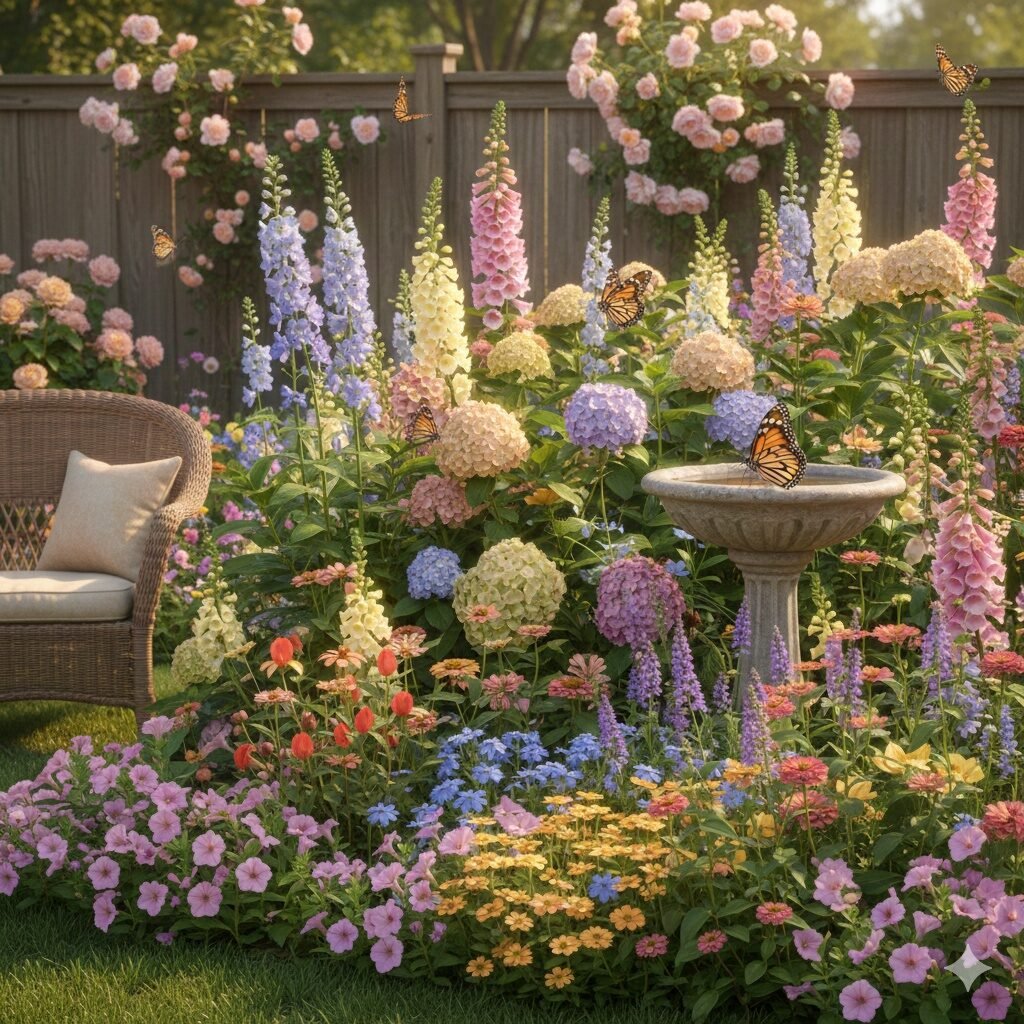
The Cottage Garden Style uses hydrangeas with roses, foxgloves, and lavender. This style feels cozy and colorful. Plants grow close together, creating a natural look.
In the Woodland Garden Style, hydrangeas thrive under tall trees. Ferns, hostas, and moss make the space shady and calm. It feels like a secret forest.
The Formal Garden Style lines hydrangeas in neat rows or shapes. Boxwoods and trimmed hedges add order and balance. This style looks clean and elegant.
The Modern Minimalist Style shows hydrangeas as a simple, bold focus. Use clean pots and few other plants. The space looks fresh, neat, and uncluttered.
Hydrangea Care Tips For Landscaping
Pruning hydrangeas helps keep plants healthy and blooming. Cut old flowers and dead stems in late winter or early spring. For bigleaf hydrangeas, prune after flowering to avoid removing buds.
Fertilize hydrangeas twice a year: once in spring and again in summer. Use a balanced fertilizer with equal nitrogen, phosphorus, and potassium. Avoid over-fertilizing, which can reduce blooms.
Winter protection is key in colder climates. Cover plants with burlap or mulch to protect roots and stems from frost. Remove protection in spring to avoid mold.
Water hydrangeas deeply once or twice a week. Keep soil moist but not soggy. Morning watering is best to reduce leaf diseases. Mulch helps keep moisture and cool roots.

Credit: dennis7dees.com
Avoiding Common Mistakes
Plants to avoid near hydrangeas include those that need very different soil or light conditions. For example, cacti and succulents prefer dry soil, which clashes with hydrangeas’ need for moisture. Tall trees with dense roots may steal water and nutrients from hydrangeas. Avoid planting aggressive spreaders like mint that can crowd hydrangeas.
Overcrowding blocks air flow and sunlight. This can cause fungal diseases and weak growth. Space hydrangeas at least 3 to 5 feet apart, depending on the variety.
Soil pH mismanagement changes hydrangea flower colors but can also harm the plants. Keep soil pH between 5.5 and 6.5 for best health. Avoid using fertilizers or soil additives that make soil too acidic or alkaline.
Enhancing Curb Appeal With Hydrangeas
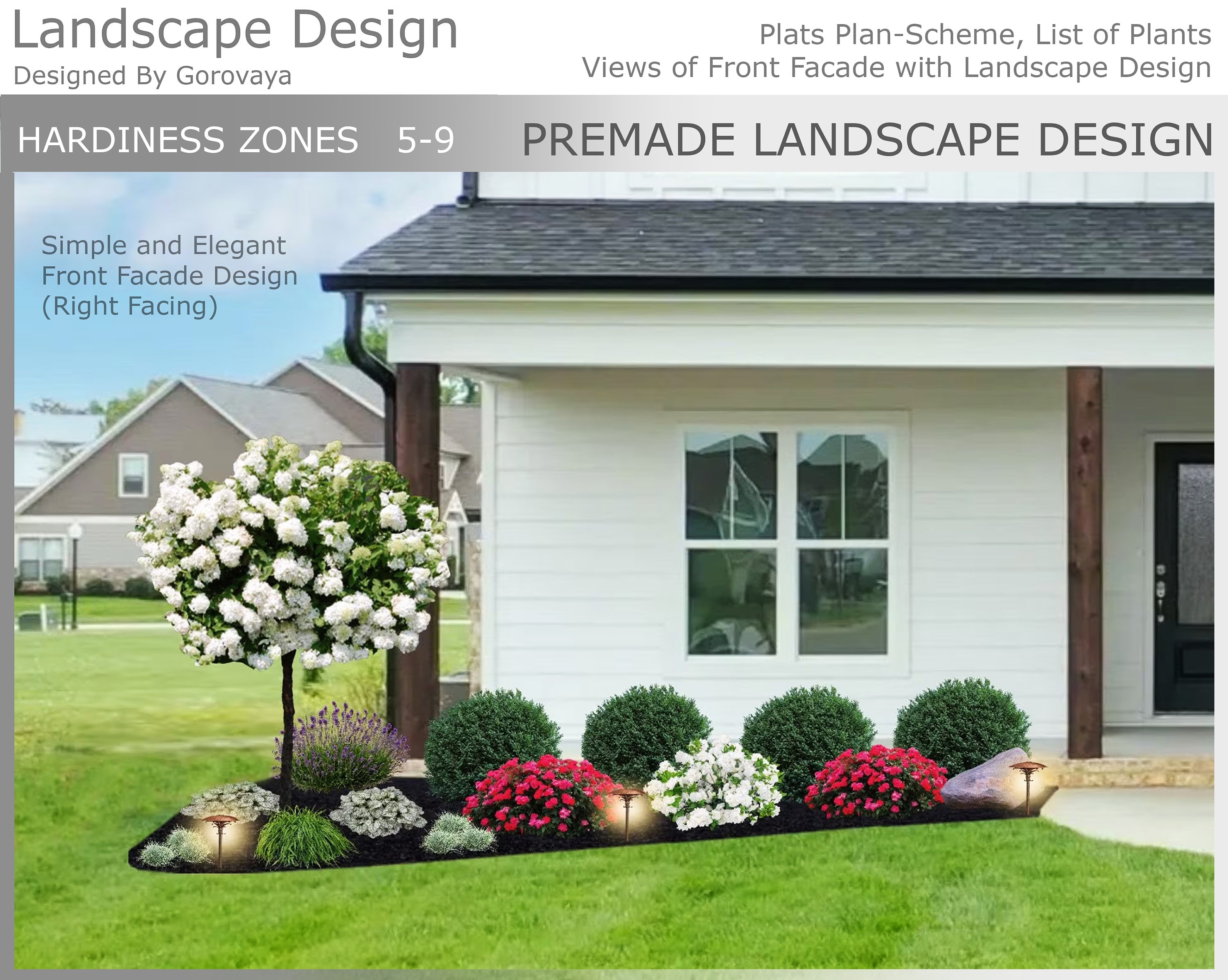
Hydrangeas brighten the front yard with big, colorful blooms. Plant them near the porch or driveway to create a warm welcome. Use different hydrangea types for varied colors and shapes.
Line pathways with hydrangeas to make walks more inviting. Their flowers add charm and guide visitors along the path. Mix with small shrubs or groundcovers for a full look.
Hydrangeas work well as accent plants in garden beds. Place them near corners or fences for a splash of color. Pair with plants that like the same sun and water.
Seasonal Hydrangea Landscaping Ideas
Spring planting calls for hydrangea varieties like Bigleaf and Oakleaf. These thrive in moist, cool soil. Plant them near shade trees or shrubs for protection. Mulching helps keep roots cool and moist during warmer days.
During summer, hydrangeas show their full glory with large, colorful blooms. Panicle and Smooth hydrangeas prefer sunnier spots and can brighten up any garden corner. Regular watering and deadheading encourage more flowers.
In fall, hydrangea foliage changes to rich red, orange, or bronze shades, adding vibrant color. Oakleaf hydrangeas are famous for stunning fall displays. Use them as a backdrop for pumpkins or autumn decorations.
Hydrangeas offer winter interest with dried flower heads and sturdy branches. Leave flower heads on for texture and shelter for birds. Smooth hydrangeas have attractive bark that adds winter charm.
Credit: www.etsy.com
Frequently Asked Questions
What Pairs Well With Hydrangeas In Landscaping?
Hydrangeas pair well with hostas, ferns, astilbes, and heucheras in shade. In sun, try daylilies, salvias, nepeta, and rudbeckias.
What Is The 1 3 Rule For Hydrangeas?
The 1-3 rule for hydrangeas means planting them 1 foot apart for every 3 feet of mature height. This spacing ensures healthy growth and proper air circulation.
What Not To Plant Next To Hydrangeas?
Avoid planting aggressive, root-invasive plants like bamboo or large trees near hydrangeas. Also, steer clear of drought-tolerant, sun-loving plants that compete for water and light. Choose companions with similar moisture and shade needs to keep hydrangeas healthy and thriving.
Are Tea Bags Good For Hydrangeas?
Tea bags can benefit hydrangeas by slightly acidifying the soil and adding nutrients. Use used, caffeine-free tea bags to avoid harm.
Conclusion
Hydrangeas bring charm and color to any garden space. Use these 25 ideas to inspire your landscaping plans. Mix different hydrangea types for varied textures and blooms. Pair them with plants that share similar sun and water needs. Place hydrangeas where they get the right light to thrive.
Regular care helps them stay healthy and vibrant all season. Enjoy creating a garden that feels welcoming and full of life. Start small and watch your hydrangeas grow beautifully over time. Your outdoor space will bloom with elegance and natural beauty.