10 Best DIY Duck Enclosure Ideas: Creative & Easy Builds

If you’re raising ducks, creating the perfect enclosure is key to keeping them happy, healthy, and safe. But building a duck enclosure doesn’t have to be complicated or expensive.
Imagine having a space where your ducks can roam freely, splash in water, and stay protected from predators all built by your own hands.
Whether you’re a beginner or looking to upgrade your current setup, these 10 best DIY duck enclosure ideas will inspire you to create a comfortable home for your feathered friends.
Ready to discover simple, budget-friendly, and effective ways to build your ideal duck haven? Keep reading and turn your backyard into a duck paradise!
Essential Features For Duck Enclosures
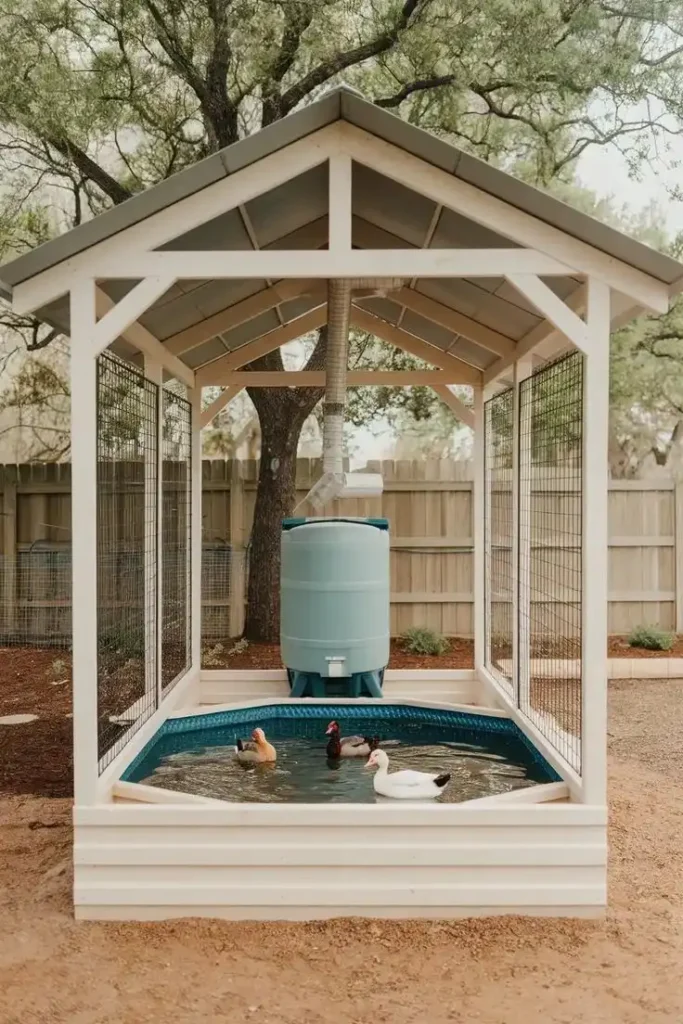
Choosing the right location is key to a safe duck enclosure. Pick a spot with good sunlight and shade. Ducks need both to stay healthy.
The area should be dry and away from strong winds. Avoid places near busy roads or noisy areas to reduce stress for your ducks.
Materials that work best include wood, wire mesh, and plastic. Wood offers strong support but needs weather protection.
Wire mesh keeps predators out and allows fresh air. Use plastic or waterproof materials for roofs to keep the inside dry.
Size and space requirements depend on the number of ducks. Each duck should have at least 4 to 6 square feet inside the enclosure.
Outdoor space should be larger for roaming and foraging. More space means happier, healthier ducks.
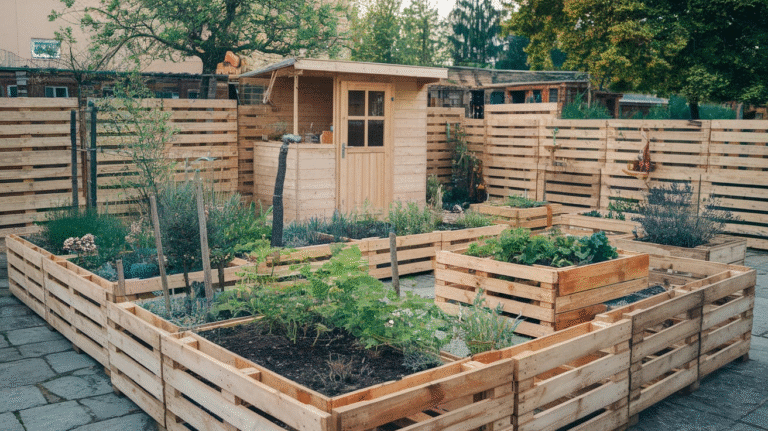
Diy Duck Pen With Pallets
Start by disassembling wooden pallets carefully. Remove nails and separate planks.
Use these planks to build the fence and shelter frames. Pallets give sturdy and affordable materials for your duck pen.
Construct a secure fence around the pen using pallet planks. Nail or screw the planks tightly to create a barrier. Make sure the fence is high enough to keep ducks safe from predators.
Add a shelter by joining pallet wood to form walls and roof. Cover the roof with waterproof material or shingles. Provide shade with a tarp or leafy branches to protect ducks from sun and rain.
Self-cleaning Duck Run Designs
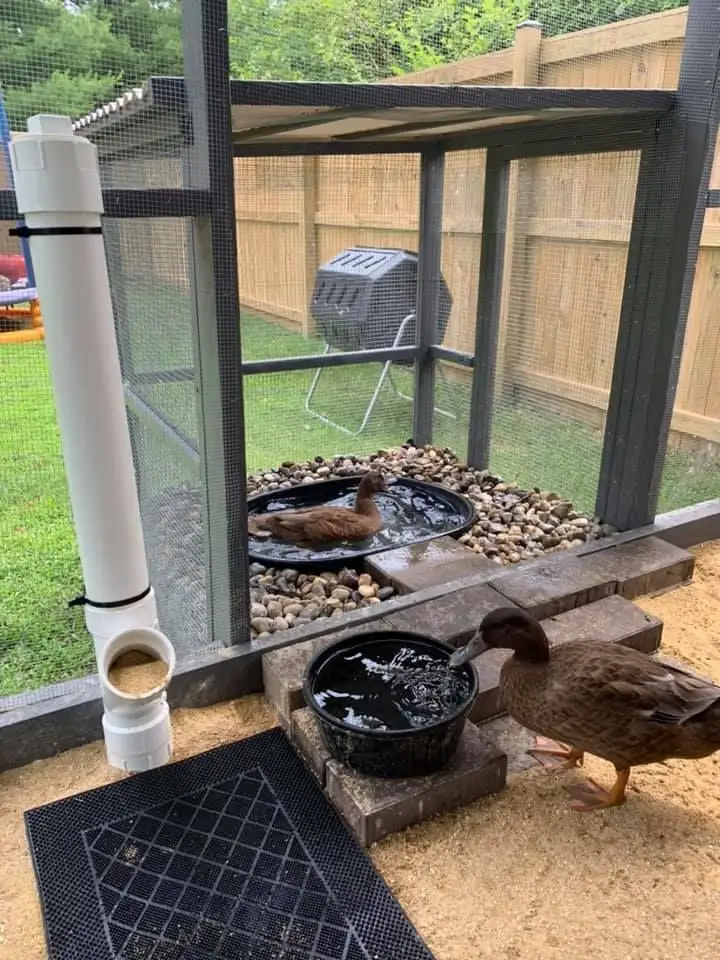
Using sloped ground helps water flow away from the duck run. This keeps the area dry and clean. Ducks stay healthier with less mud and mess.
River rocks placed on the slope act as a natural filter. They stop soil from washing away and let water drain smoothly. This also creates a nice surface for ducks to walk on.
Drainage tubes under the run collect water and waste. These tubes guide the waste to a safe spot away from the ducks. It makes cleaning easier and keeps the run fresh.
A-frame Duck Coop Build
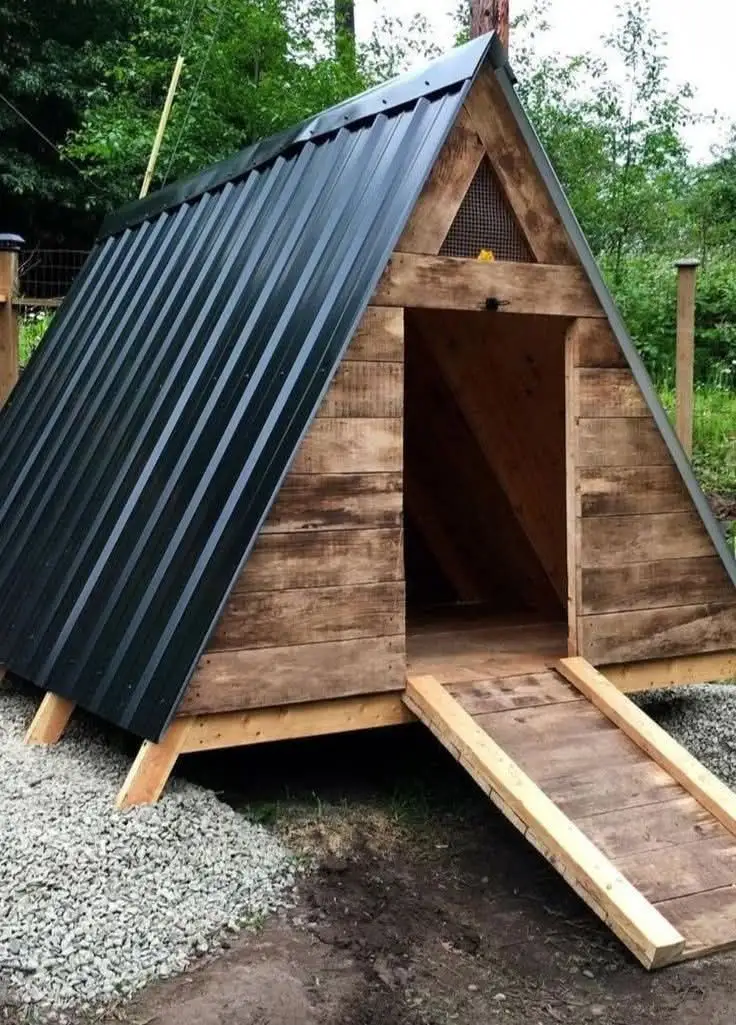
Start by building a strong A-frame structure using wood or metal. Use 2x4s for the frame and secure them with screws. Make sure the frame is stable and square before adding walls.
Good ventilation helps ducks stay healthy. Add mesh windows on both sides for airflow. Use insulation like foam boards or straw to keep the coop warm in winter.
Install easy access doors on the front and side. This makes cleaning and feeding simple. Use latches to keep doors secure from predators but easy for you to open.
Raised Platform Enclosure Ideas
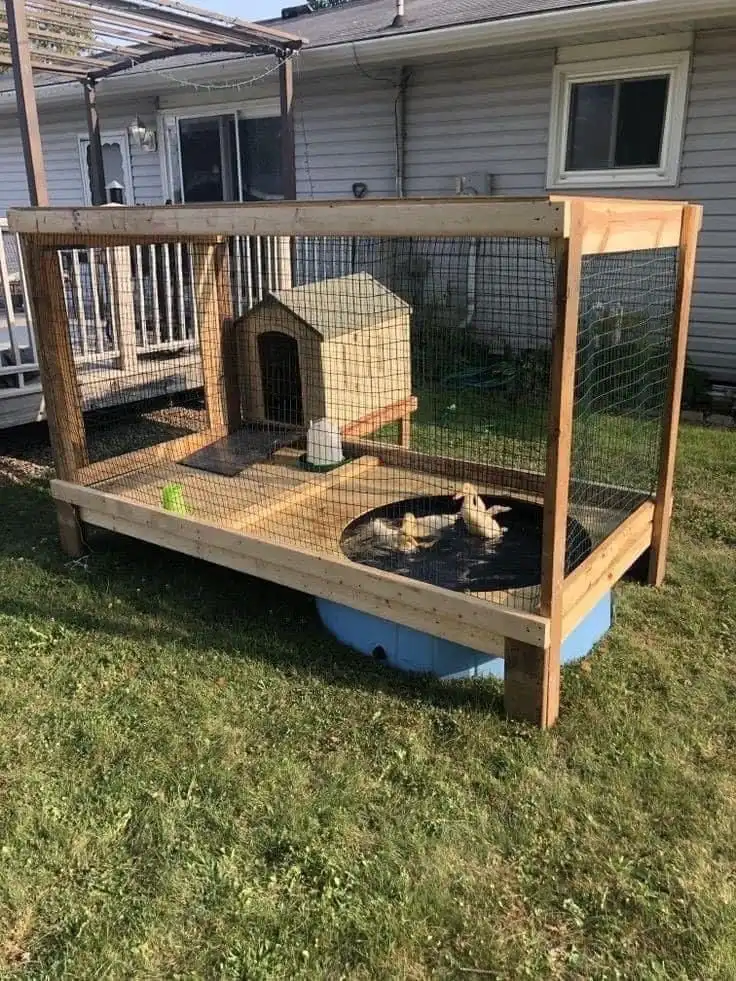
Building a deck with a ramp creates a safe space for ducks. The elevation keeps them dry during rain and stops dirt from piling up.
Ducks enjoy walking up and down the ramp, which adds exercise and fun.
Raised platforms help protect ducks from predators like foxes and raccoons.
It is harder for predators to reach ducks when they are above ground. The ramp can be closed at night to keep them safe inside.
Mess-free Duck House Concepts
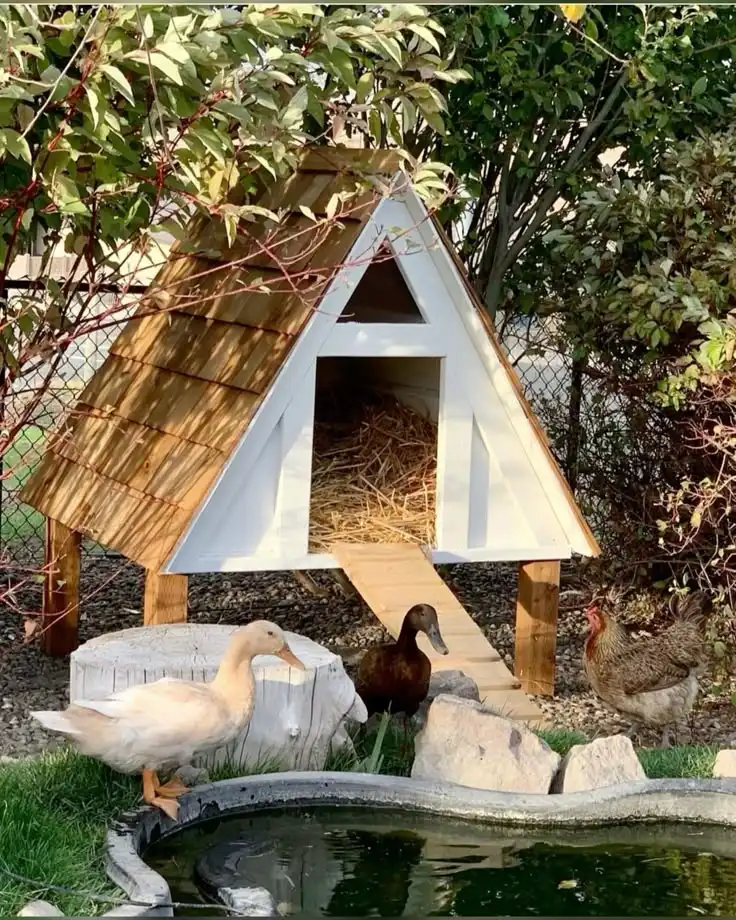
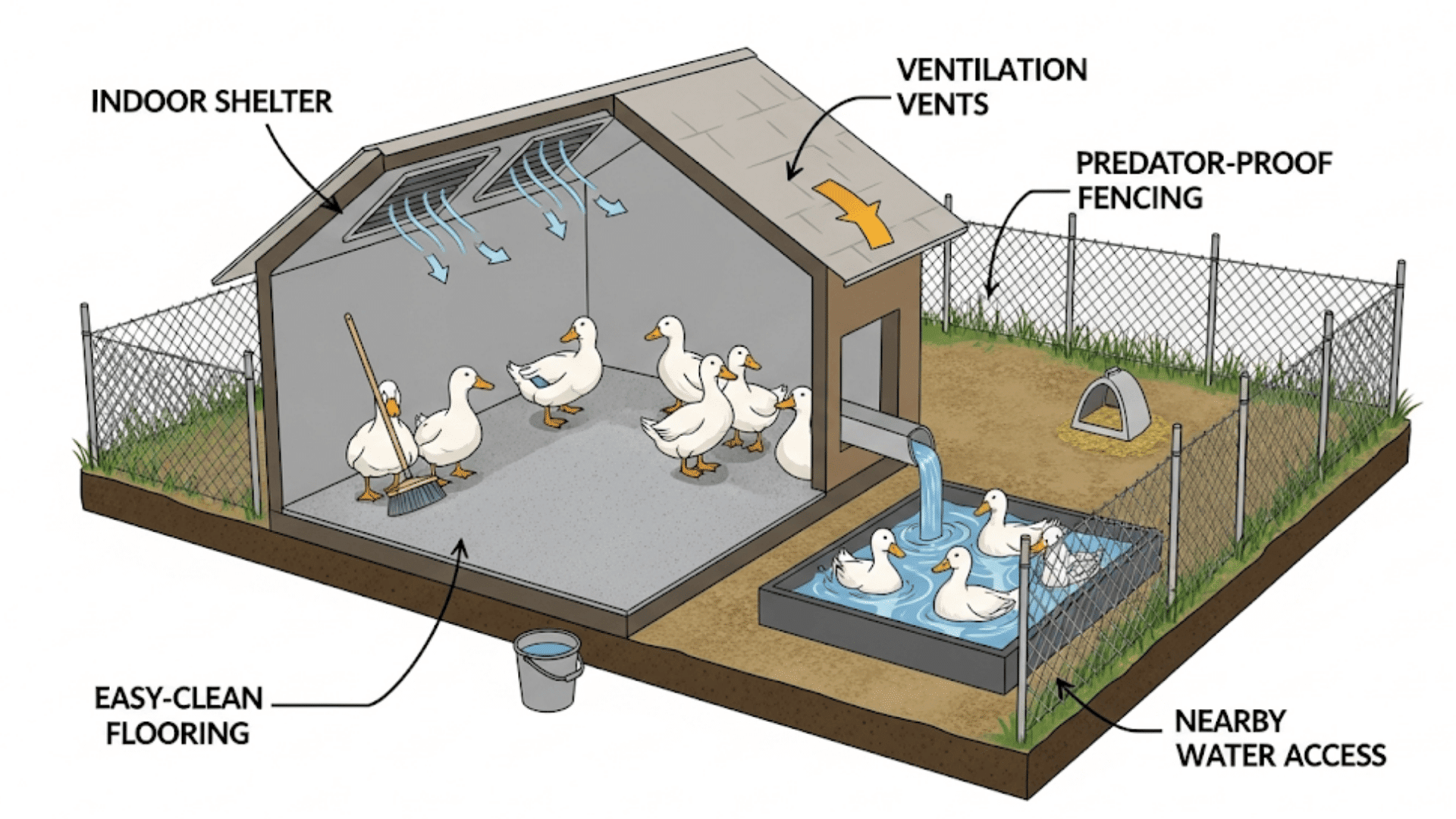
Effective waste management is key to a mess-free duck house. Designing an enclosure with easy-to-clean surfaces helps keep the area tidy and healthy.
Using removable trays under the duck house floor collects droppings and makes cleaning fast. These trays slide out smoothly for quick waste disposal.
Waterproofing strategies protect the enclosure from water damage. Applying sealants or using plastic liners stops moisture from soaking into wood or soil.
Sloped floors or drainage holes allow water and waste to flow away. This design helps prevent puddles and mud buildup.
Combining these ideas keeps the duck house dry and easy to maintain, promoting a healthier space for your ducks.
Incorporating Water Features
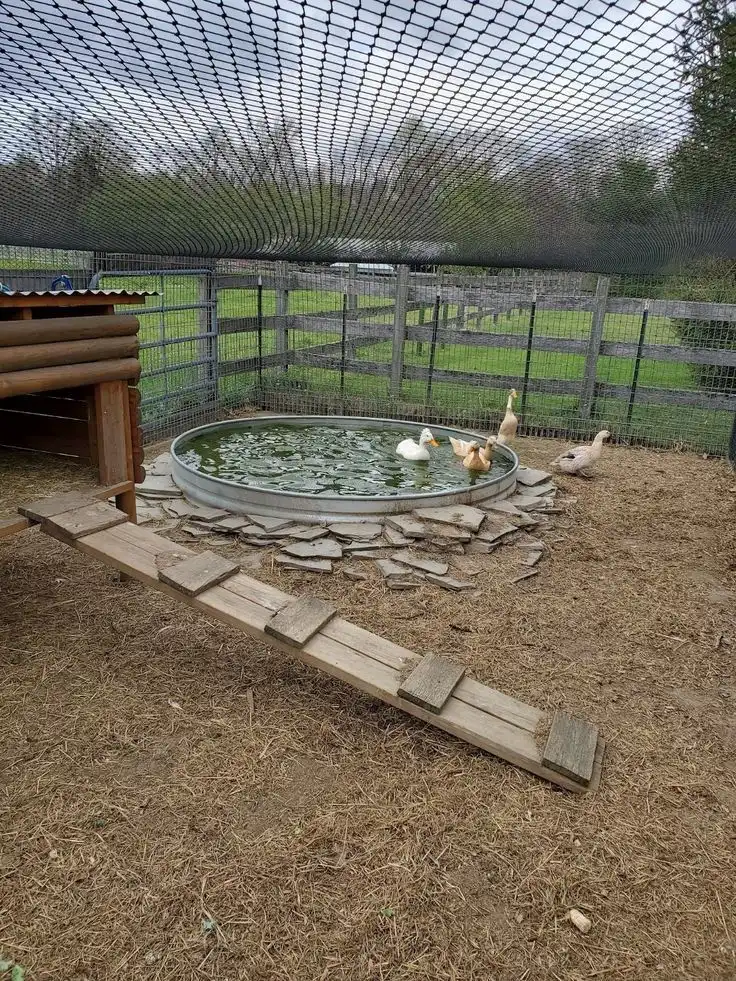
Small ponds or pools offer ducks a natural place to swim and play. A shallow design with gentle slopes helps ducks enter and exit easily.
Using materials like pond liners or preformed pools can make setup quicker.
Maintaining clear water is key. Regularly remove debris and change water often to prevent dirt build-up. Installing a small pump or filter keeps water fresh and healthy for ducks. Safe water access means avoiding steep edges or slippery surfaces.
Adding ramps or flat stones can help ducks climb in and out without slipping. Ensure the water depth is not too deep for young ducks.
| Feature | Tip |
|---|---|
| Small Ponds/Pools | Use shallow, gentle slopes for easy duck access |
| Water Clarity | Change water often and remove debris |
| Safe Access | Add ramps or flat stones to prevent slipping |
Budget-friendly Enclosure Plans
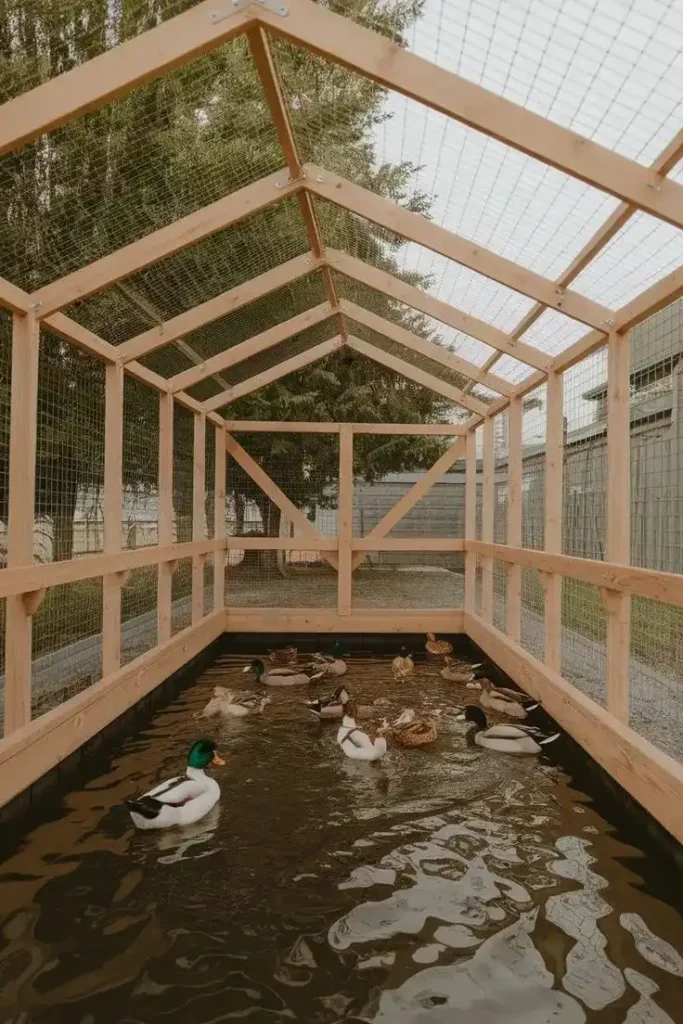
Using recycled materials like old pallets, wire mesh, and scrap wood helps save money. These items are often free or very cheap.
Simple tools such as a hammer, nails, and a saw are enough for most plans.
Beginners should choose designs with clear, easy steps. Plans with fewer parts and basic shapes make building easier and faster. A small enclosure can be a good start before trying bigger projects.
To cut costs further, look for materials at local recycling centers or online marketplaces.
Reusing plastic bottles or buckets as feeders and waterers also reduces expenses. Keeping the design simple avoids extra spending on fancy features.
Avoiding Common Housing Mistakes
Choosing the right breed matters for a good duck enclosure. Some breeds need more space or water access than others.
Small breeds can live comfortably in smaller areas, while larger breeds require more room to roam.
Proper shelter protects ducks from rain, wind, and predators. Use sturdy materials that keep ducks dry and warm. Make sure the shelter has good ventilation to avoid dampness and heat buildup.
Prevent overcrowding by giving ducks enough space. Crowded areas cause stress and spread disease. Provide at least 4 to 6 square feet per duck inside the enclosure and more outside for exercise.
Enhancing Enclosure Comfort
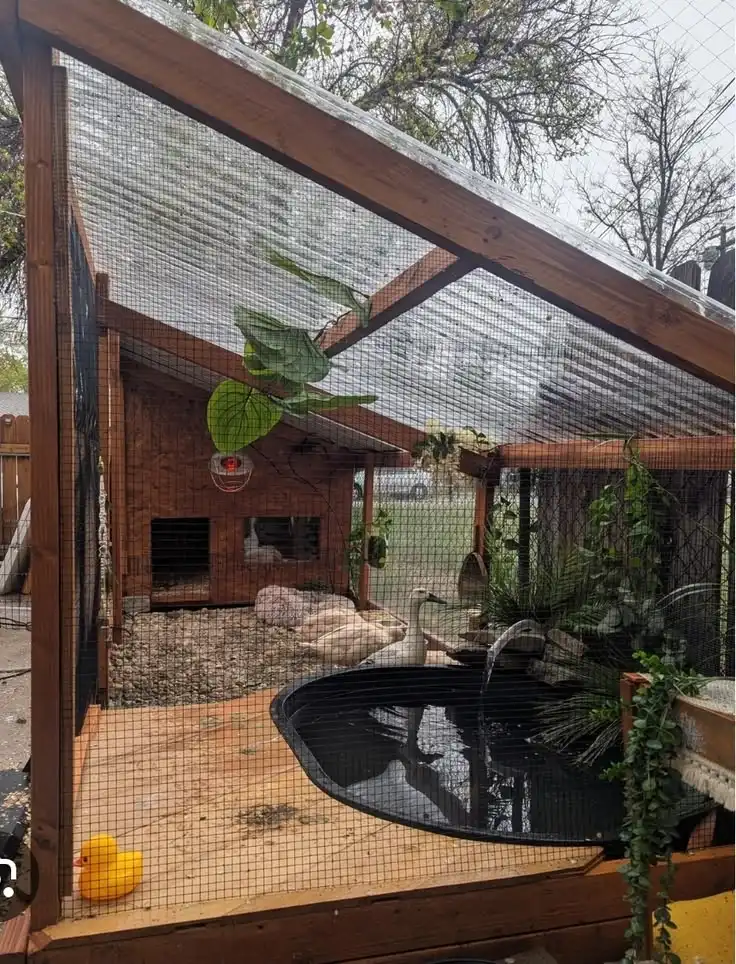
Shade and shelter protect ducks from sun and rain. Use natural trees or build a small roofed area. This keeps ducks cool and dry.
Nesting boxes give ducks a safe, quiet place to lay eggs. Place them low and inside the enclosure. Line boxes with soft straw for comfort.
| Safe Bedding Options | Benefits |
|---|---|
| Straw or Hay | Soft, absorbent, easy to replace |
| Wood Shavings | Dry, controls odor, safe for ducks |
| Sand | Drains well, easy to clean |
Change bedding often to keep the enclosure clean and dry. Ducks stay healthy and happy with proper care.
Frequently Asked Questions
What Type Of Enclosure Is Best For Ducks?
A secure, well-ventilated enclosure with dry bedding suits ducks best. Include access to water and outdoor space for swimming and foraging.
What Are Common Duck House Mistakes?
Common duck house mistakes include poor ventilation, inadequate protection from predators, lack of waterproofing, insufficient space, and improper bedding choice.
What Attracts Ducks The Most?
Ducks are most attracted to clear water with aquatic plants, snails, and insects. They also prefer quiet, undisturbed environments. Providing natural duck food and safe shelter increases their attraction.
Do Ducks Need Water In Their Coop Overnight?
Ducks need fresh water overnight for drinking and cleaning. Provide water inside or just outside the coop safely.
Conclusion
Building a safe and comfortable duck enclosure is easier than you think. These 10 DIY ideas offer practical and affordable options.
Choose designs that fit your space and budget. Remember to provide shelter, water access, and enough room to roam.
A well-made enclosure keeps ducks healthy and happy. Start small and improve your setup over time.
Enjoy watching your ducks thrive in their new home. Simple steps lead to great results. Your ducks will thank you!